The Warneford – 200 years of mental health care
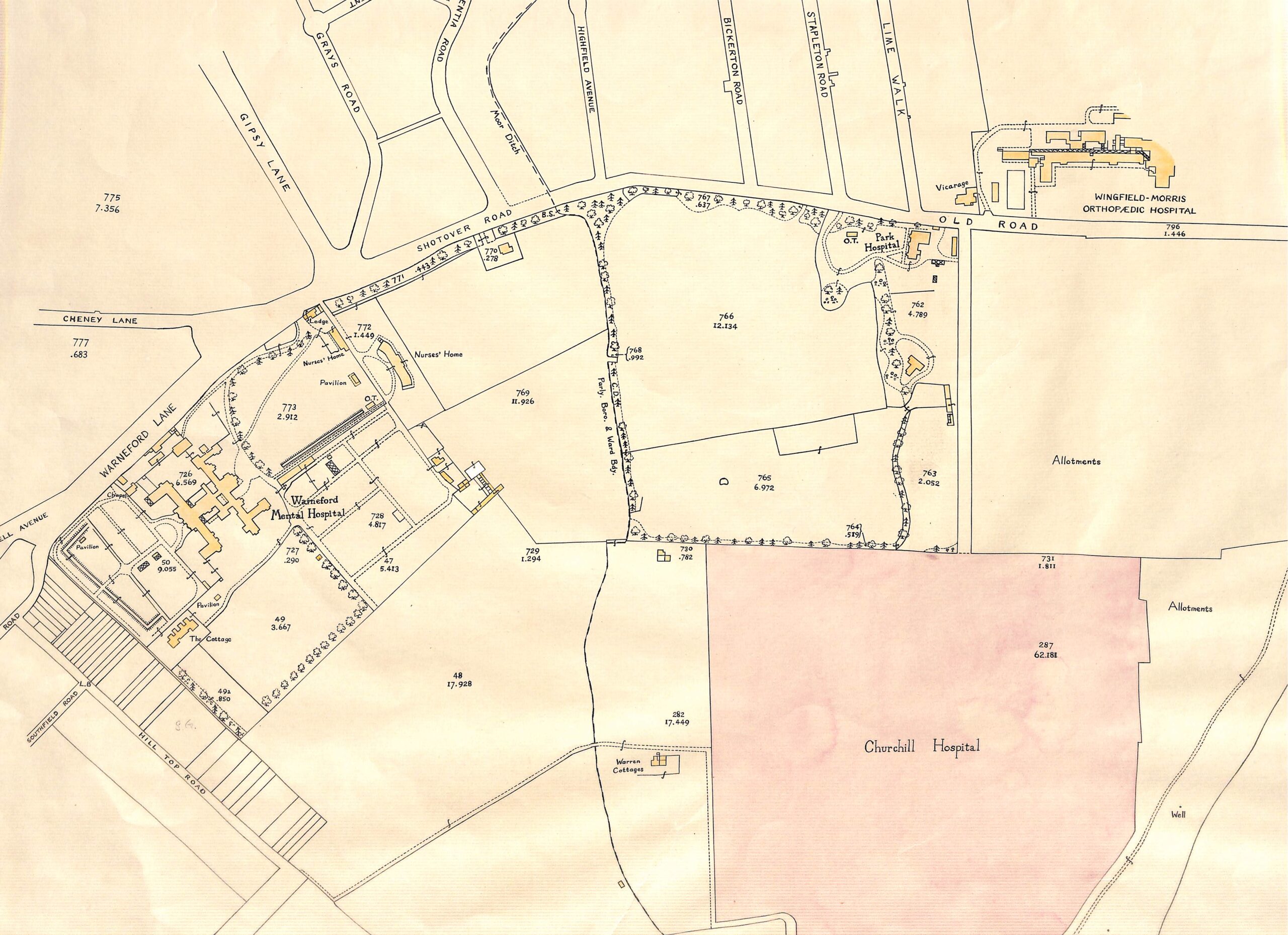
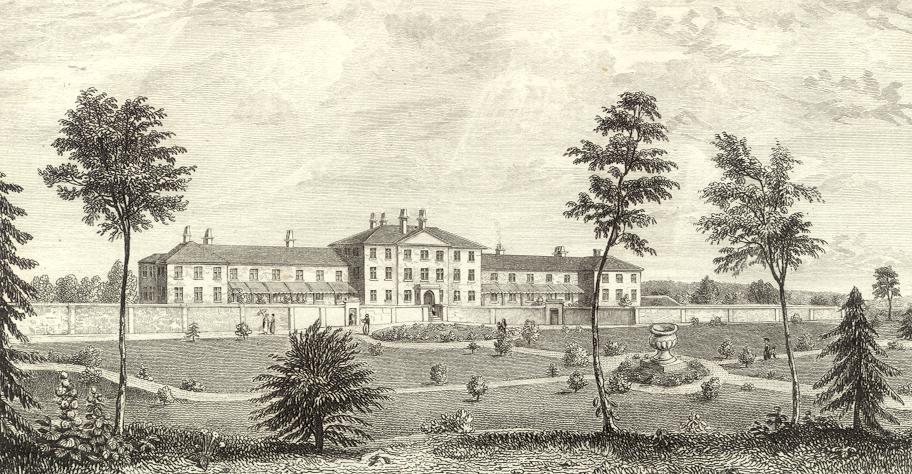
In 1826, the Warneford Hospital opened in Headington as a small charitable asylum, a place of care for those living with mental illness in Oxfordshire.
Two centuries later, it remains at the heart of mental health services in the county and is now home to world-leading research into new treatments and therapies.
The Warneford’s past and future remind us that good care has always begun with understanding the person behind the illness.

The need for an asylum
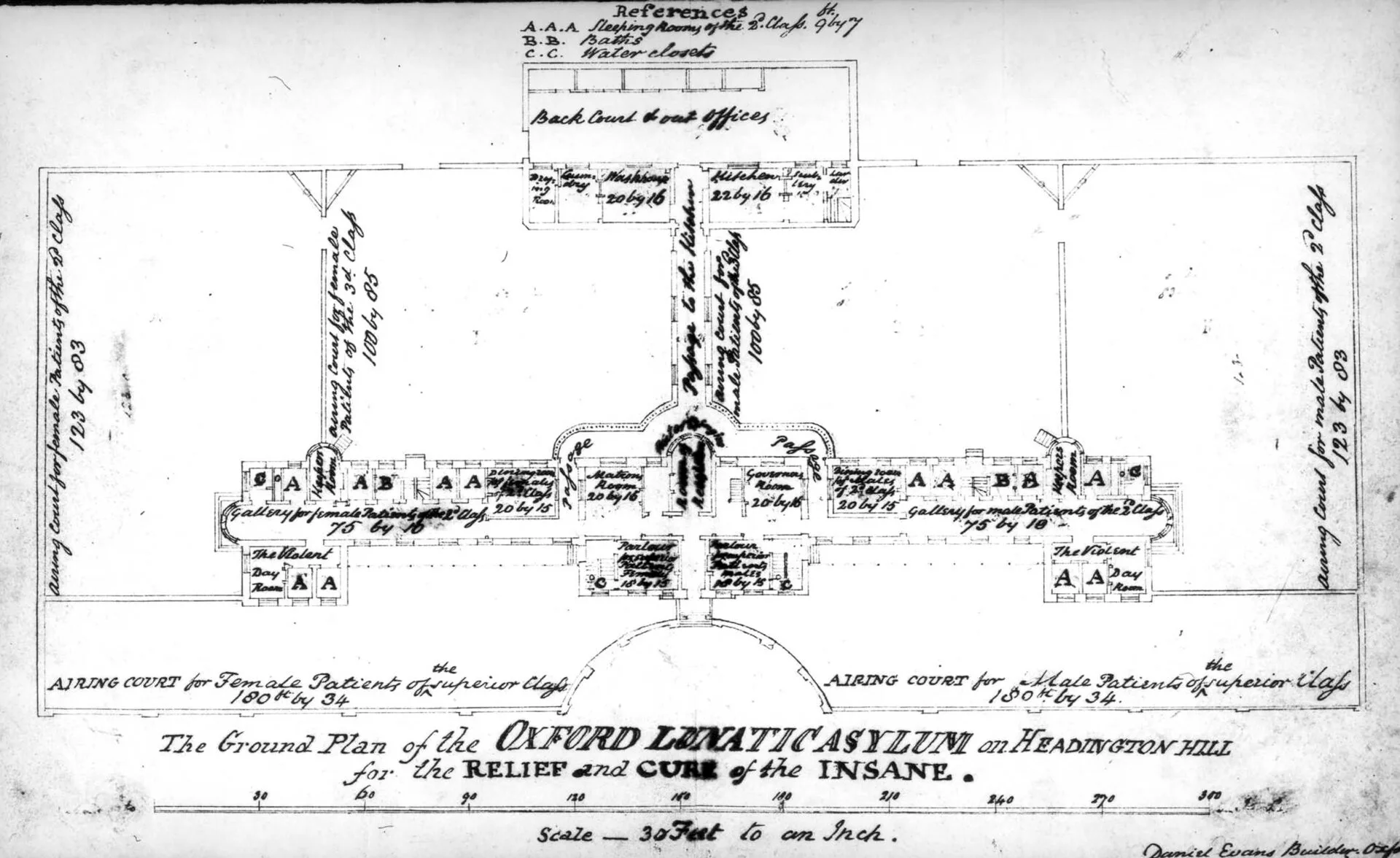
An establishment “for the relief and cure of the Insane” of Oxfordshire
From around 1600, books were being written on the nature of ‘madness’. Many of Shakespeare’s plays include characters whose behaviour seems chaotic or disturbed, showing an awareness of the emotions and challenges linked to mental illness. At the time, however, the only places for ‘lunatics’ were harsh parish workhouses or privately run ‘madhouses’, like the one that opened in Hook Norton in 1730.
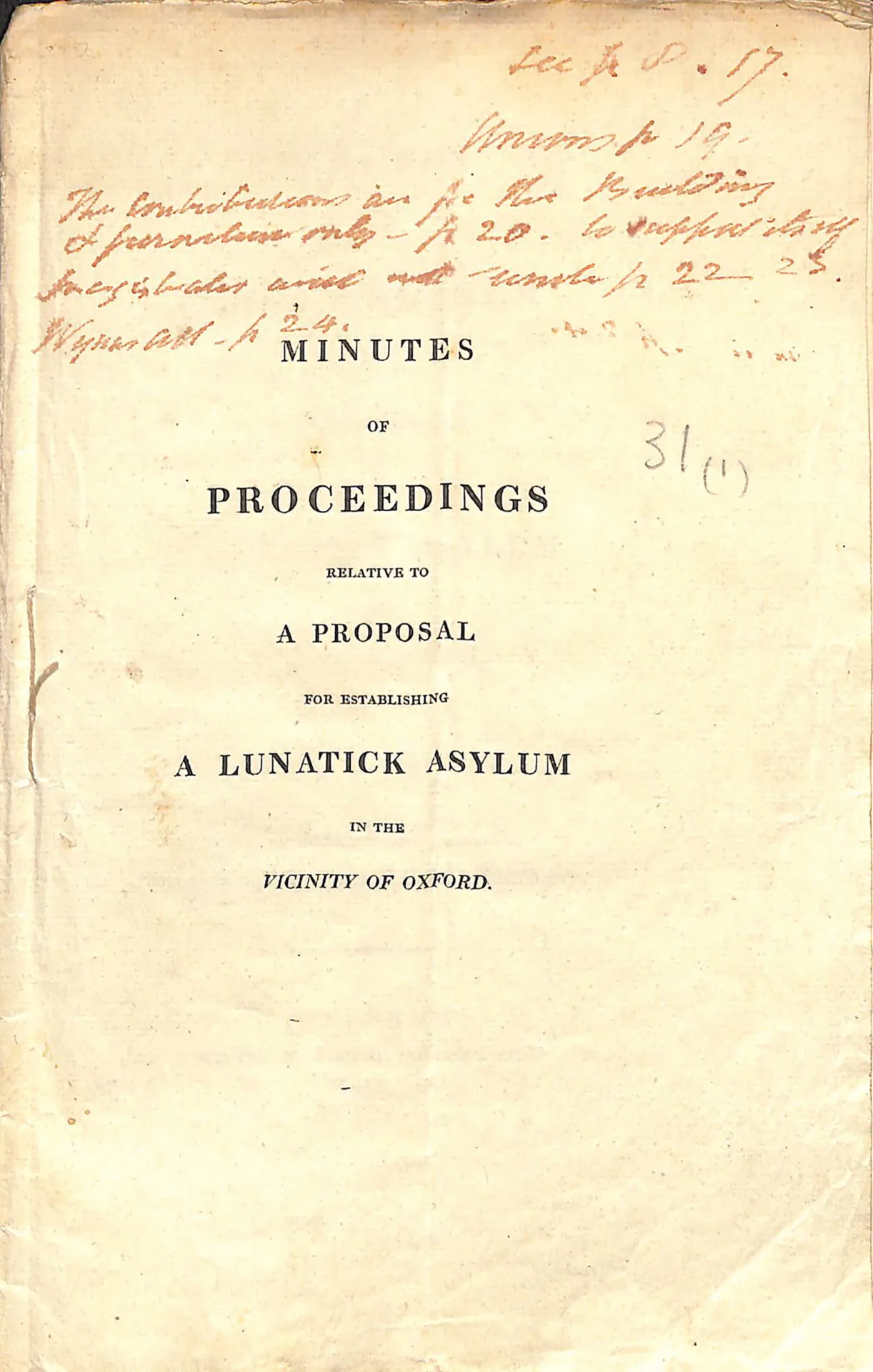
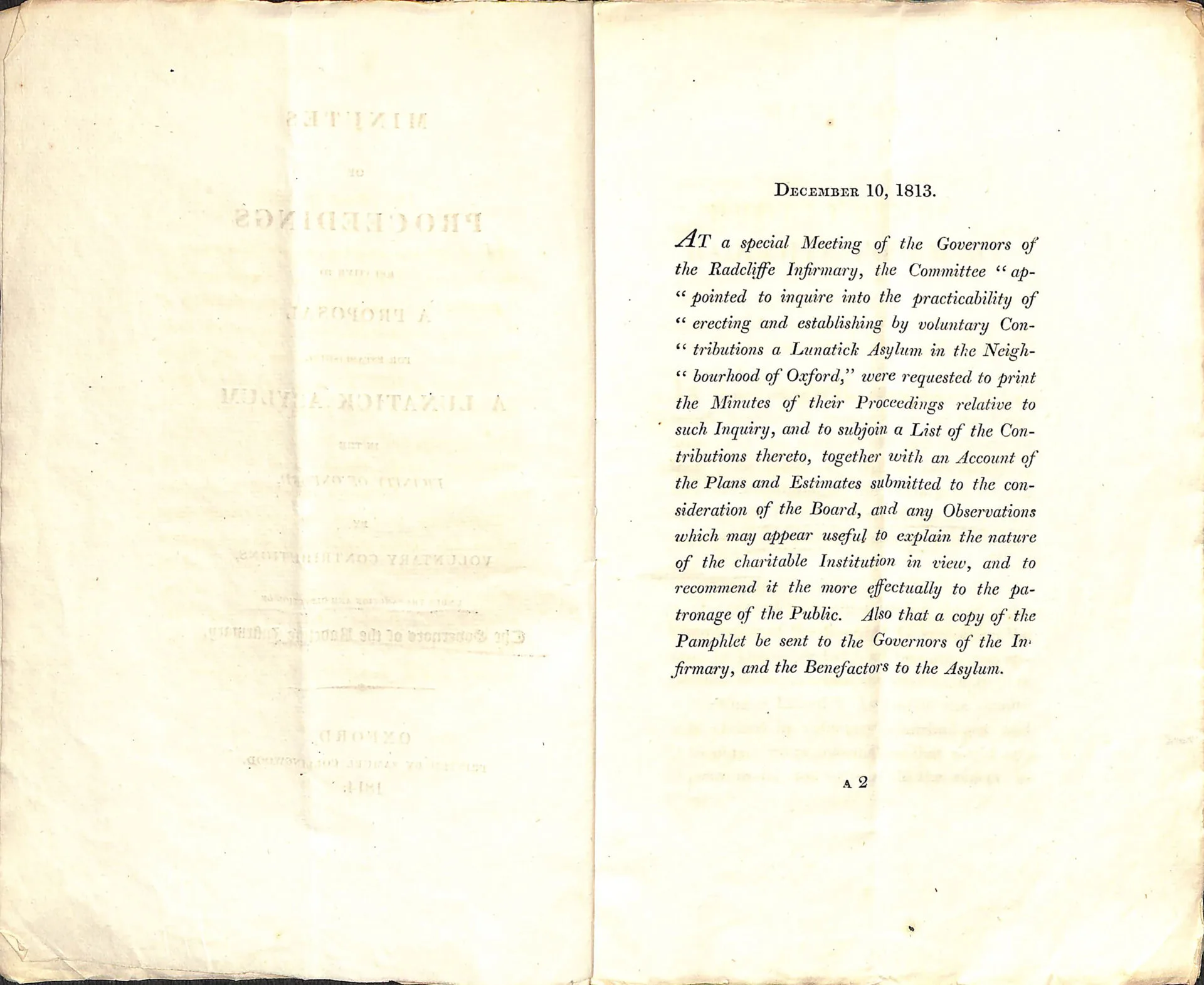
From about 1750, kinder charitable asylums began appearing across England. So, when the governors of the Radcliffe Infirmary met in 1813 to consider the need for an asylum in Oxfordshire, they were in tune with the times.
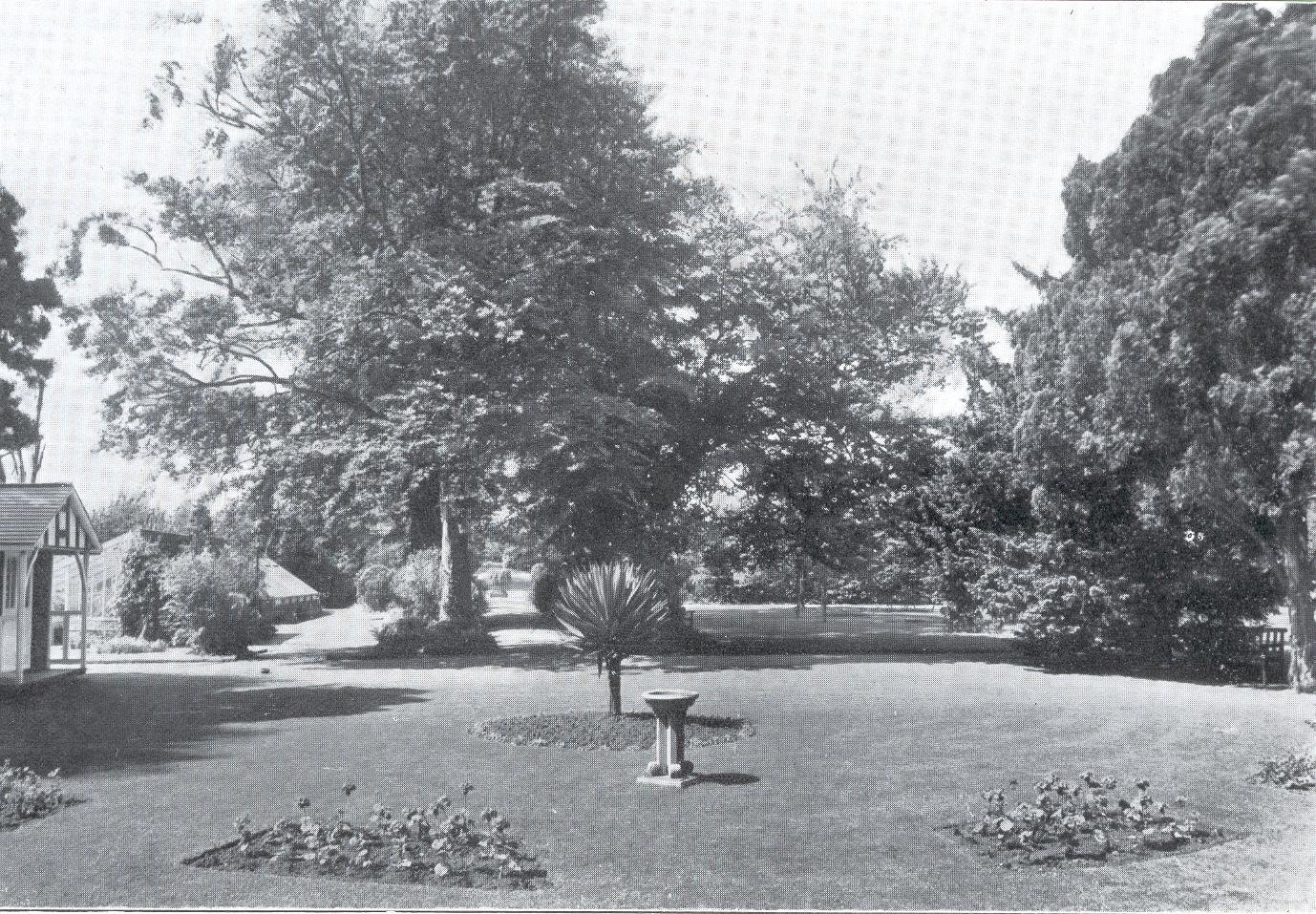
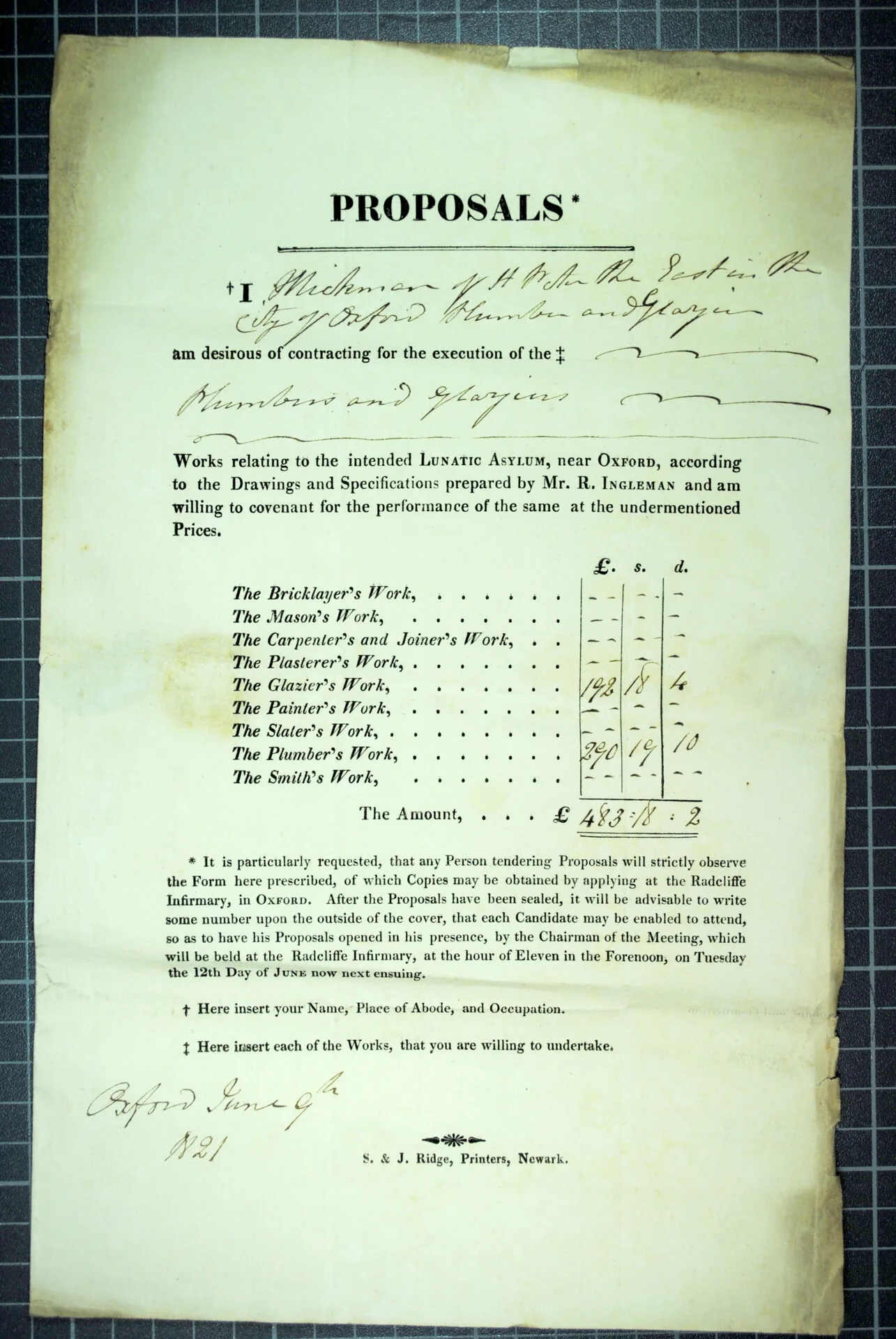
A committee made up of ‘gentlemen of the University’ agreed to offer relief to those of ‘respectable and educated life’. They took advice from many experts when designing the building and its grounds.
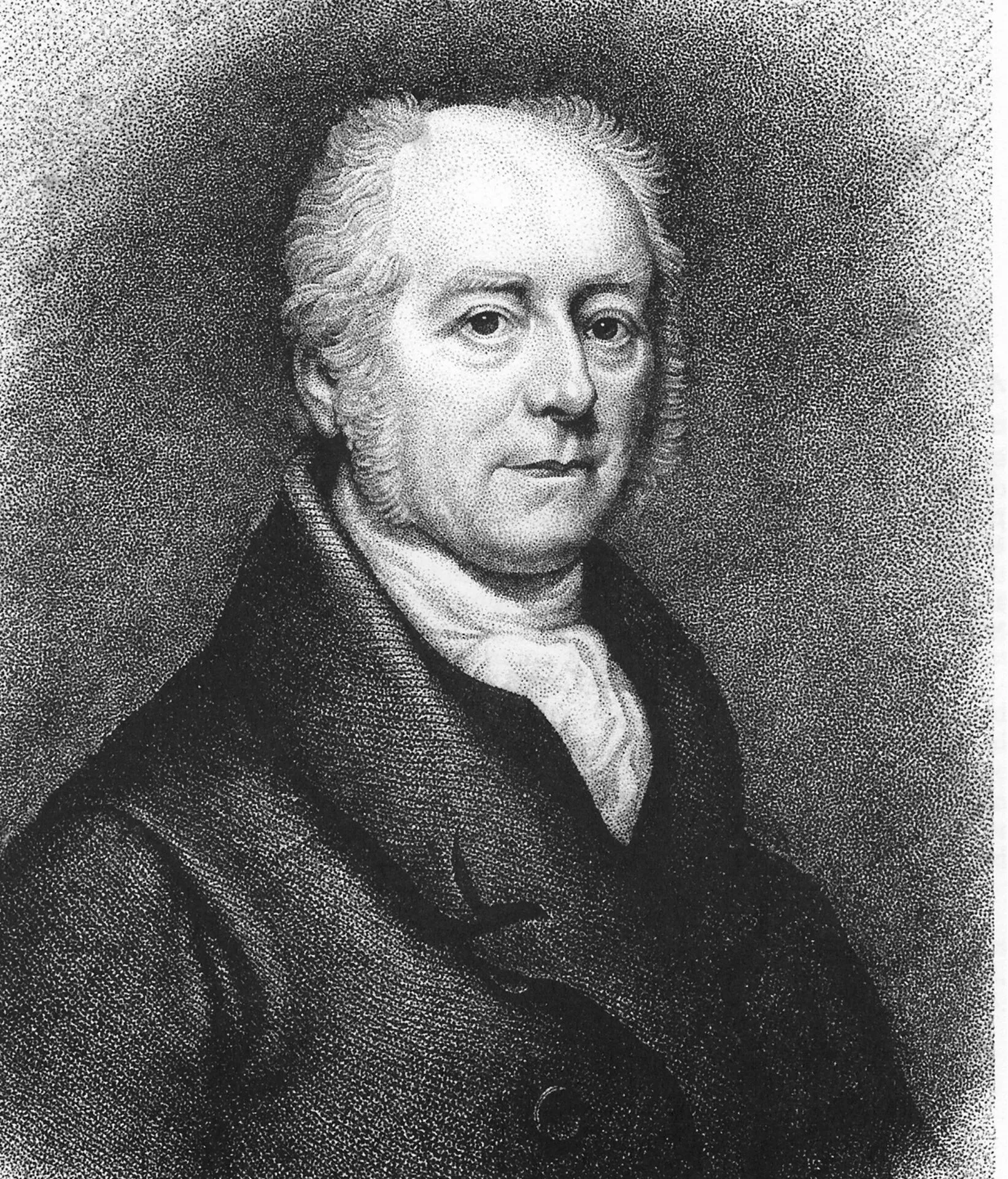
The asylum opened in 1826 as the Radcliffe Asylum. The Reverend Samuel Warneford was a major donor, so the asylum was renamed in his honour in 1843. In 1903, the Warneford Lunatic Asylum became known as the Warneford Hospital for Mental Diseases, reflecting changing attitudes and approaches.