Therapy Garden
The creation of a new therapy garden on the front lawn of the Warneford is a central part of the Warneford Hospital’s 200th‑anniversary commemorations, drawing attention to the important role played by gardens and gardening in promoting mental wellbeing, both in the nineteenth century and today.
Members of the public are welcome to visit the garden throughout the year. A series of green spaces workshop activities are also taking place throughout the year which are open to the public – more details are provided below.
The importance of gardens as therapeutic spaces
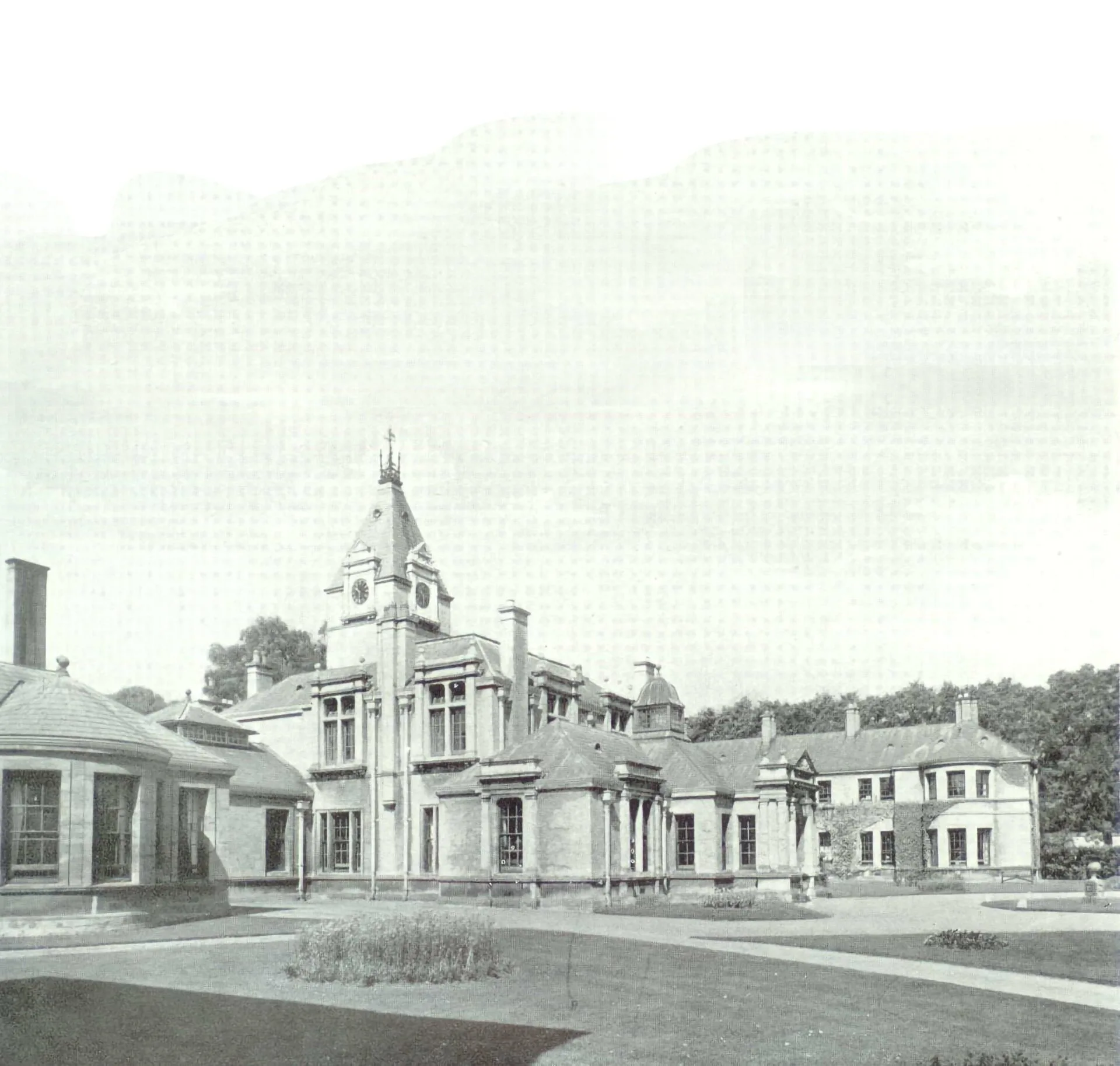
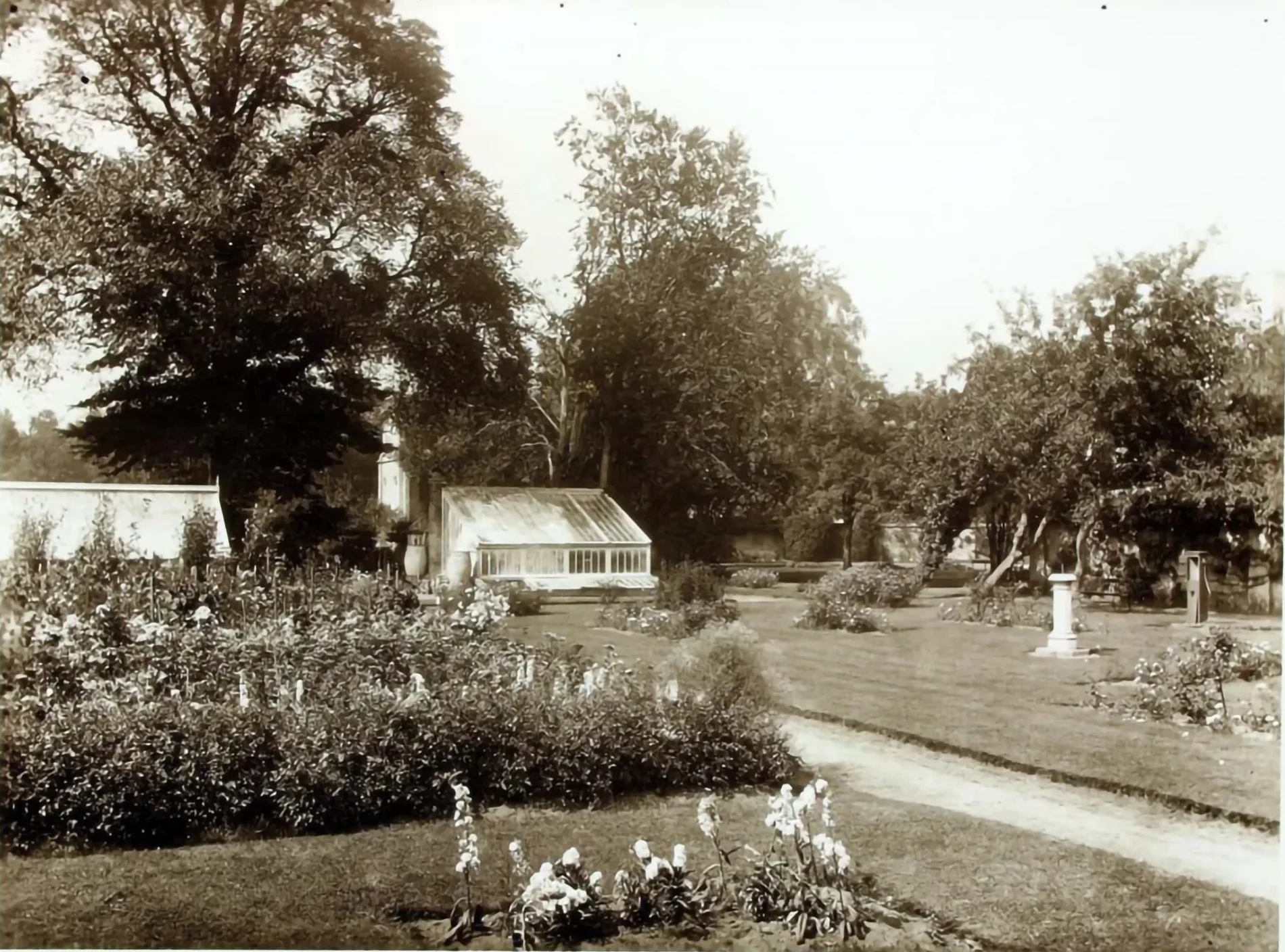
Nineteenth-century asylum (as psychiatric hospitals were known) gardens were important therapeutic spaces where patients took exercise, relaxed, worked and socialised. They had an ornamental lay-out, with lawns, paths, and borders in the country-house style. There were separate gardens for men and women and the boundaries were either fenced, walled or hedged.
Maintenance of the grounds, gardening and farming formed part of the therapeutic regimen associated with moral treatment, a way of treating patients that emerged in the late 18th and early 19th centuries. The principles of moral treatment included providing patients with a supportive, pleasant environment and treating them with respect and kindness. It emphasised the importance of engagement in activities, particularly outdoor activities that brought patients into contact with nature and fresh air.
New Workshop Sessions:
Spaces for each workshop are limited. To book your free slot, please email Laura.Mccarthy@oxfordhealth.nhs.uk
Friday 29 May
12 noon-1pm
Nature Well Sessions for Warneford
In celebration of National Gardening Day, we will be holding additional well-being sessions for staff and service users in the Warneford 200 Garden.
Using the NatureWell model to deepen our connections with nature, we will explore the NatureWell pathways (Senses, Beauty, Compassion, Emotion, and Meaning) through the lens of horticulture, by inviting participants to get hands on in the garden. Open to service users and staff.
Saturday 30 May
11-12 noon
Nature Connection Session
Using the NatureWell model to deepen our connections with nature, we will explore the NatureWell pathways (Senses, Beauty, Compassion, Emotion, and Meaning) through the lens of horticulture, by inviting participants to get hands on in the garden. Open to the general public.
Saturday 6 June
11am-12 noon
Friday 10 July
1-2pm
Saturday 29 August
11am-12 noon
Saturday 26 September
11am-12 noon
Horticulture in the W200 Garden
These interactive sessions are open to the general public and include information and background to the design, content and delivery of the new therapy garden. Participants will be invited to join in with tending to the planters, watering, weeding and refreshing planting as required.
Saturday 15 August
11am-1pm
Sound and Music – Creative Health Workshops
Try your hand at creating music from nature sounds and bio-electrical plant data collected from plants in the Warneford 200 garden. Led by music producer Chris Wright, the participants will use nature and synthesizers to make digital music. Open to the general public and staff
Summer pruning workshop:
Saturday 25 July
11am-12 noon
Winter pruning workshop:
Saturday 12 December
11am-12 noon
Learn the Basics of Orchard Management
Join Laura McCarthy, Green Space Coordinator, at the Warneford Orchard to learn the basics of orchard maintenance and take part in some restorative pruning of one of our historic orchard trees. Open to public and staff.
The new therapy garden
Recent research has shown that green spaces are considered just as important today in supporting patient recovery and staff wellbeing. Gardening remains an important therapeutic activity undertaken at Warneford Hospital, and the Oxford Health Arts Partnership (OHAP) plays a vital role in encouraging service users to take part in creative health activities across Oxford Health NHS Foundation Trust.
The newly-created Warneford 200 therapy garden emphasises how important gardens and green spaces have been to mental wellbeing since the Warneford first opened in 1826.
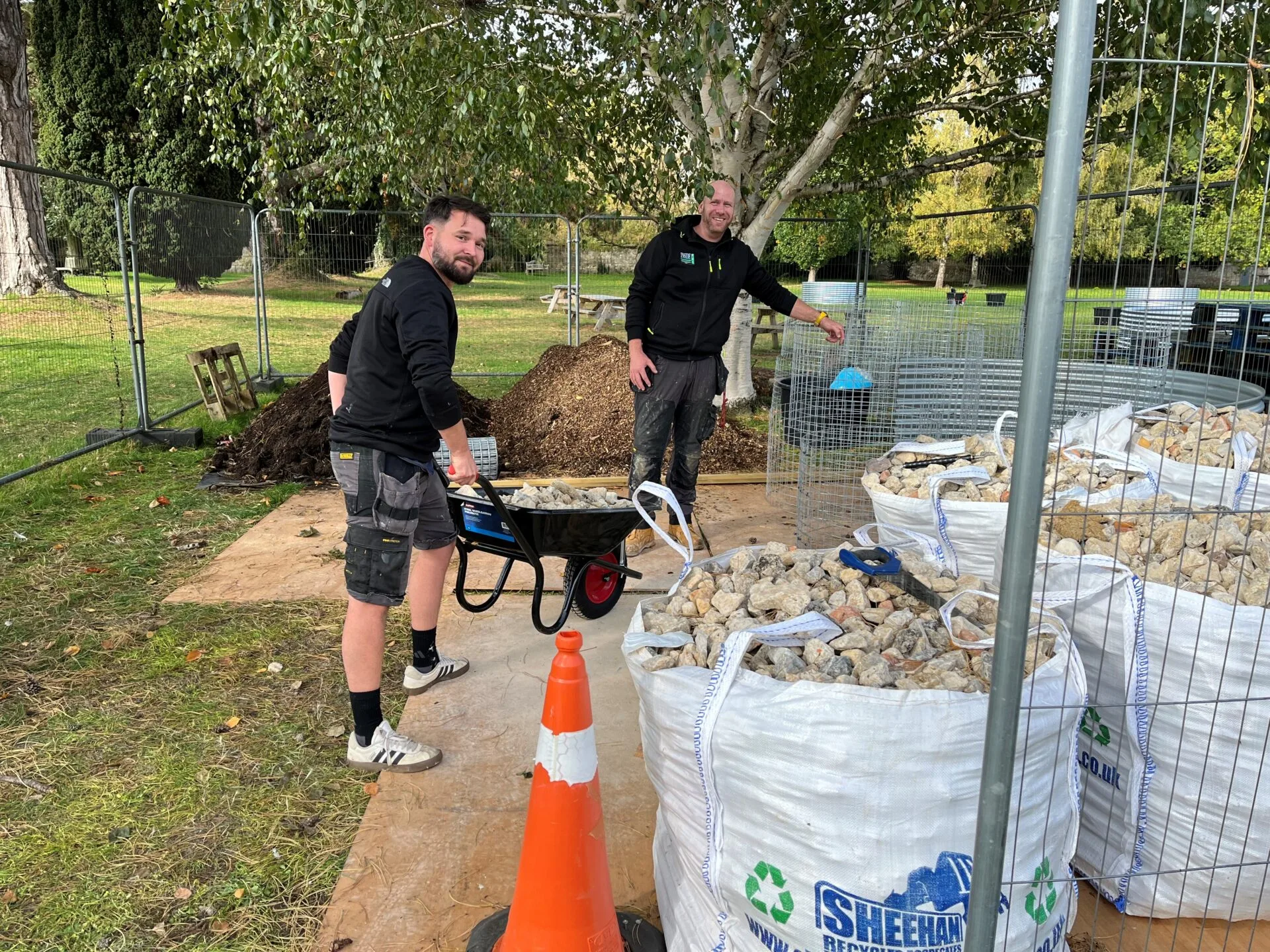
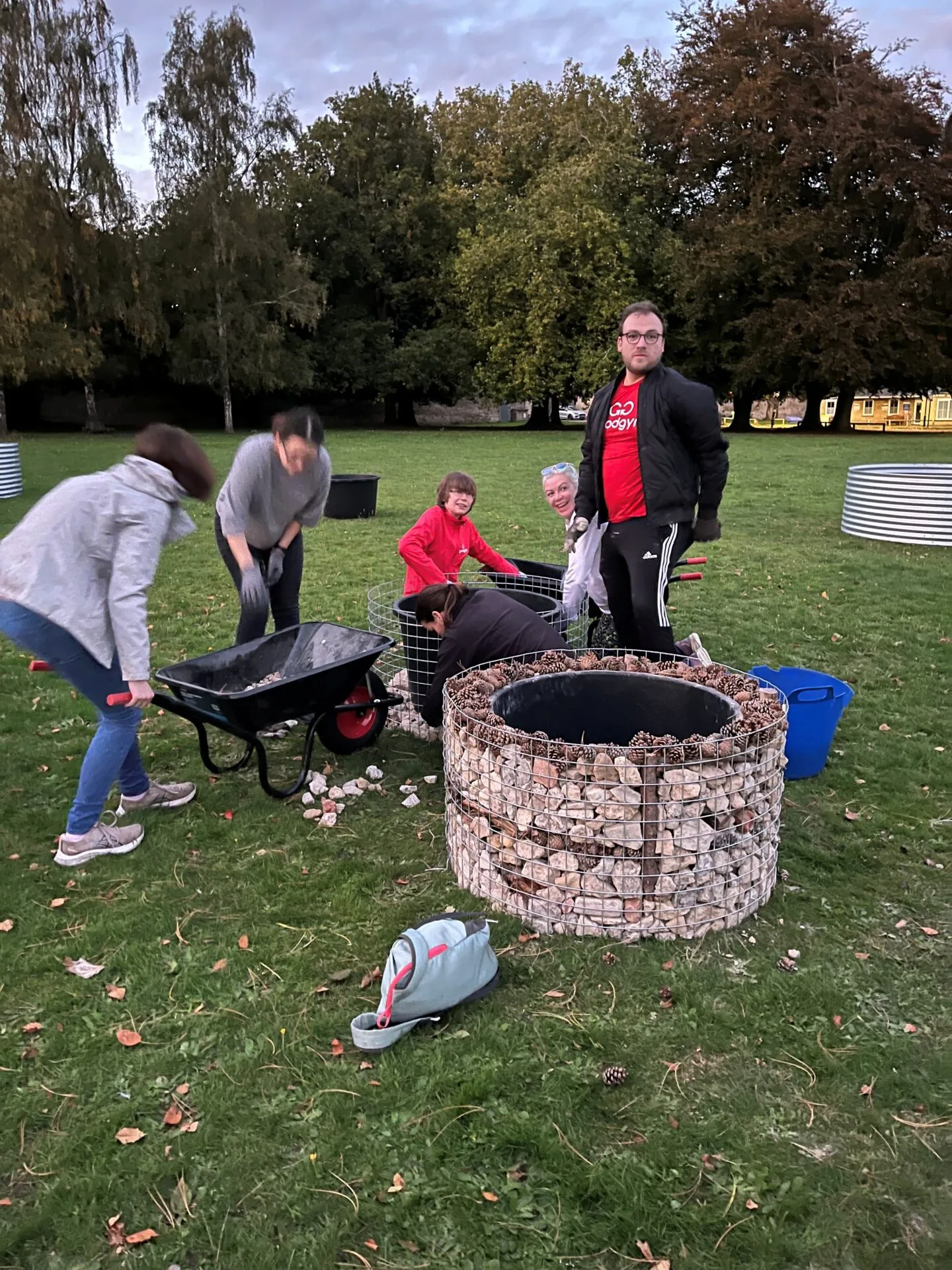
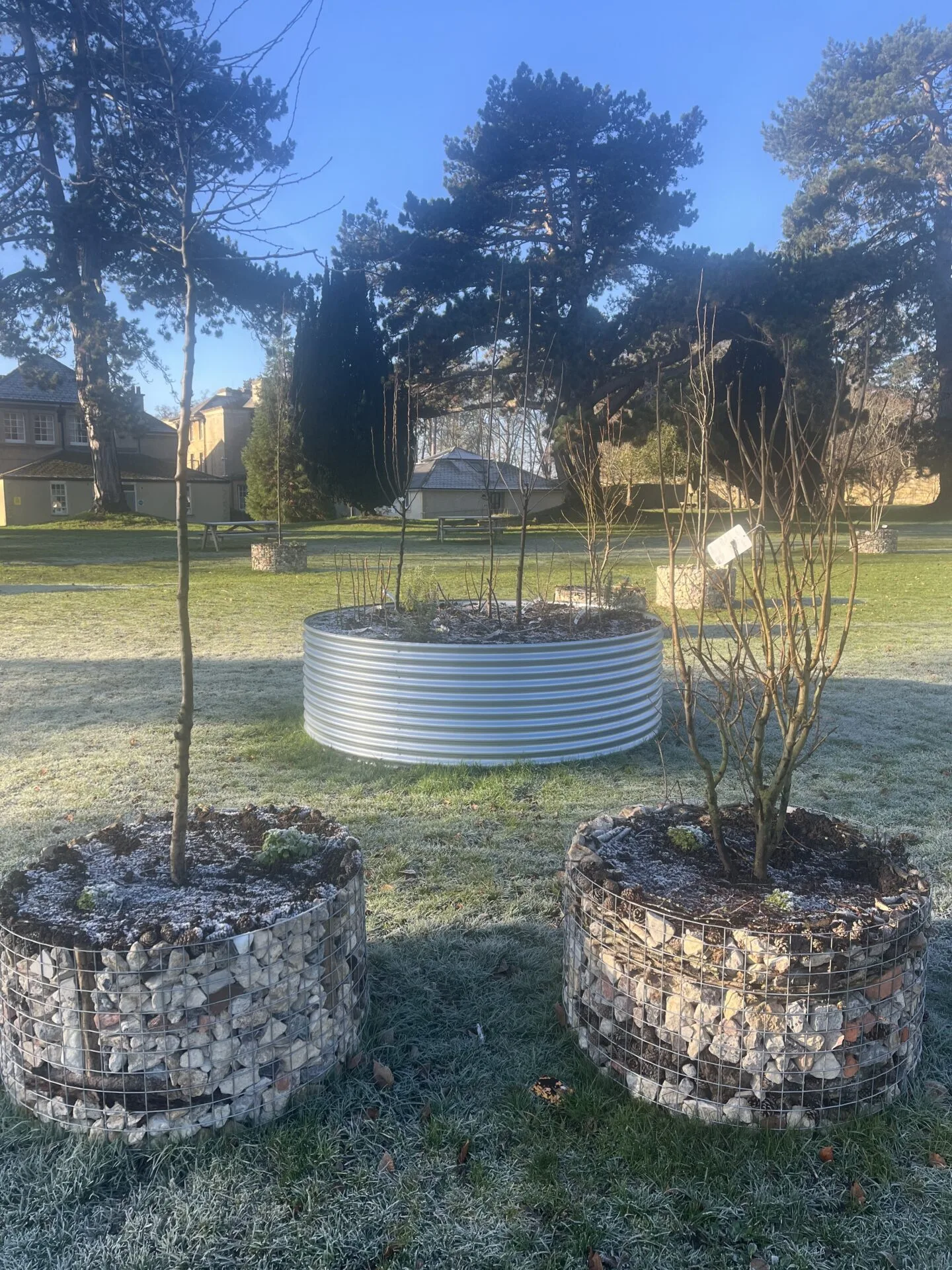
The garden has been designed and created with direct participation of service users, staff, volunteers and community partners. Together they created 17 gabion planters, creating a tree walkway as well as 7 large metal planters created out of pig arcs.
These planters reference the historical importance of the farm and market garden at the Warneford Hospital over the past 200 years.
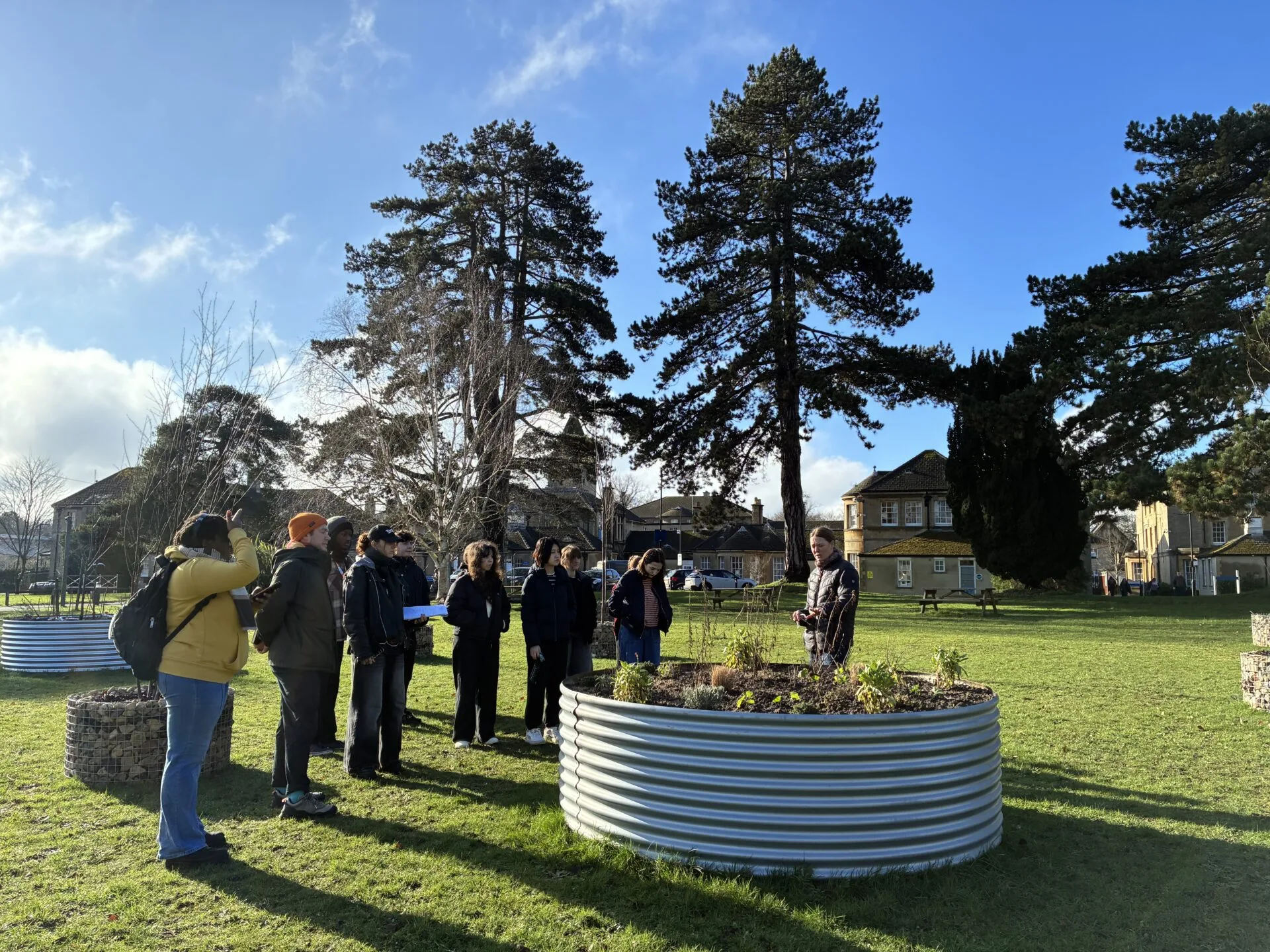
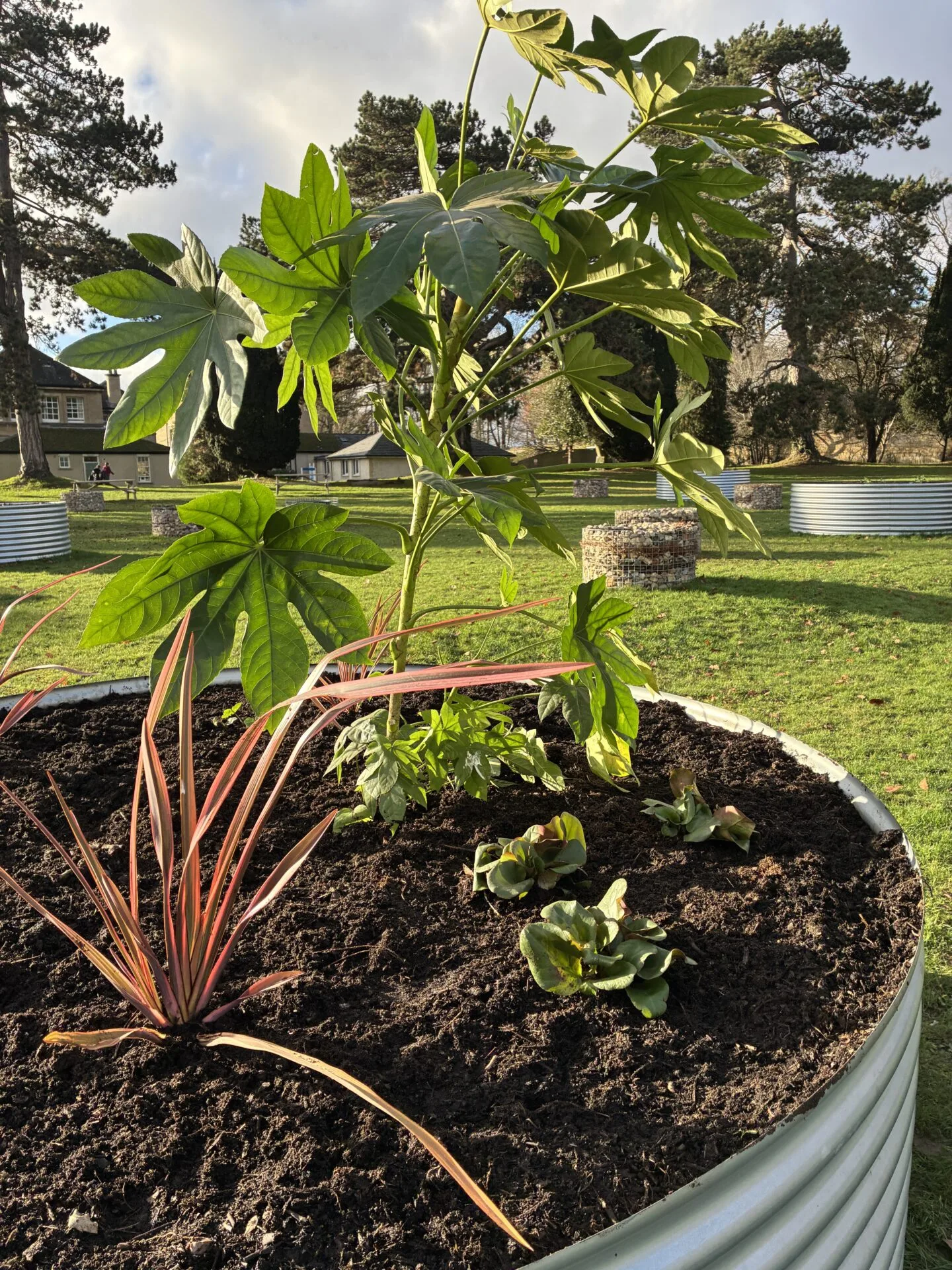
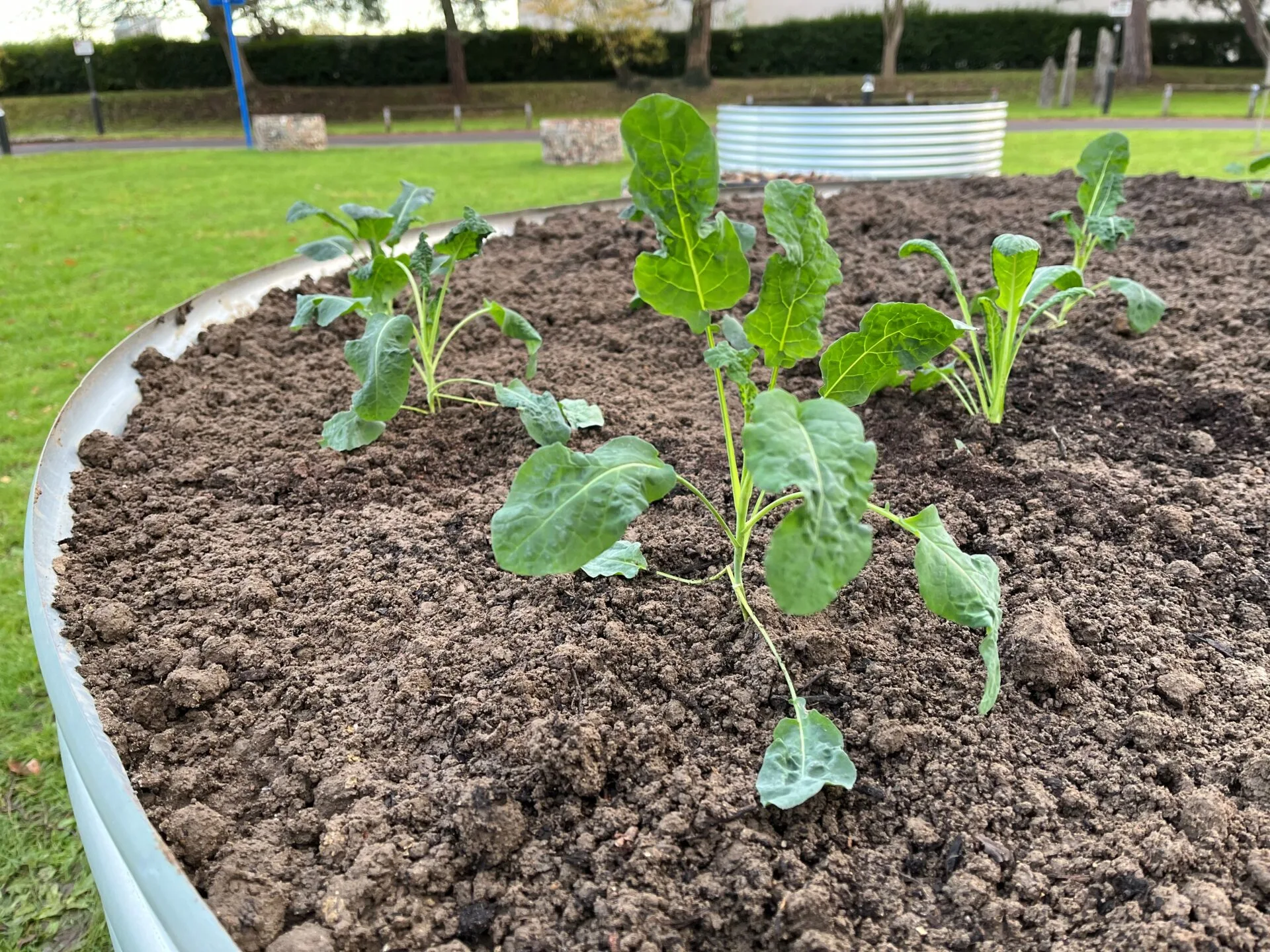
The large metal planters have been adopted by the different wards at the Warneford and service users have selected and planted bulbs, herbaceous perennials and shrubs.
The garden is now being used for a series of workshops which will develop greater understanding of the importance of gardens and gardening for mental wellbeing.
You can see the progress with the new garden here: