Creative Workshops
Incorporating creative health activities, such as arts, culture and nature, into health care has significant benefits for both service users and staff and helps people on their recovery journey.
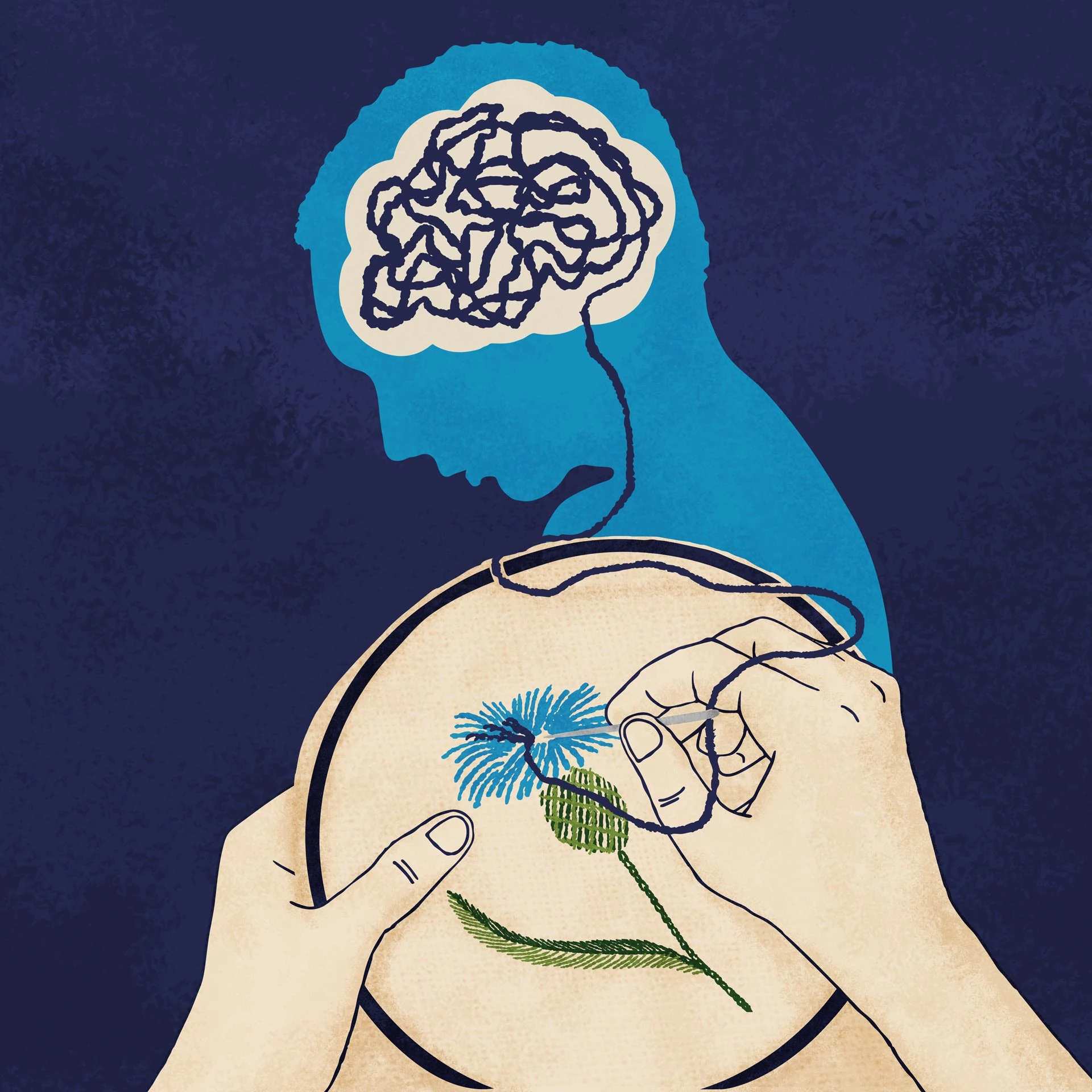
Taking part in an arts activity can help people feel connected and build confidence. Being creative is a way to explore and express emotion and feelings, try new things and keeps the mind active. An activity like drawing or taking pictures helps us to take notice of the world around us and allows us time to reflect.
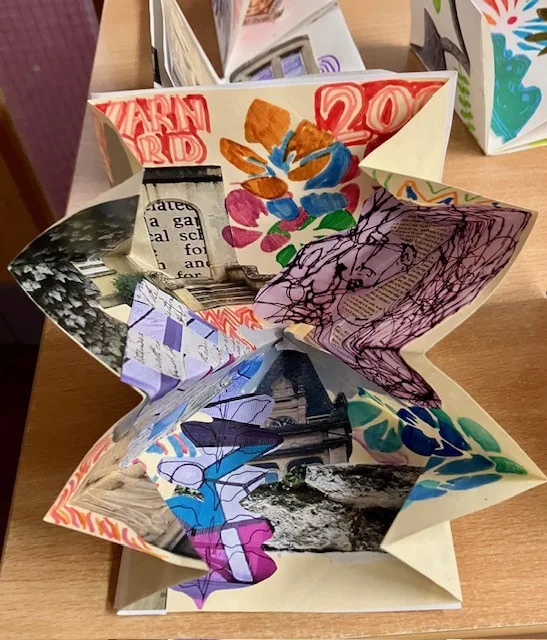
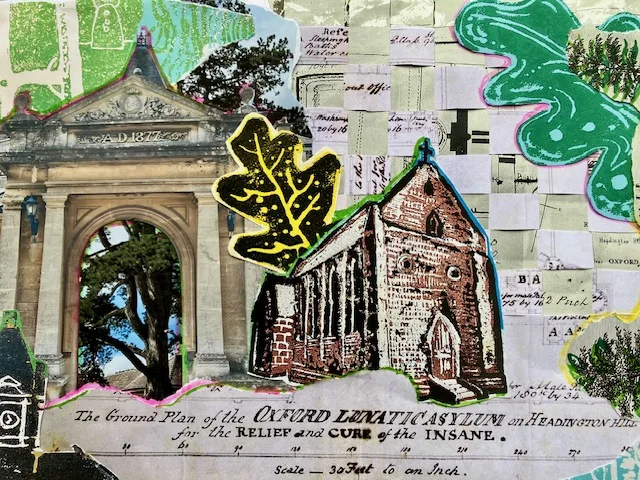
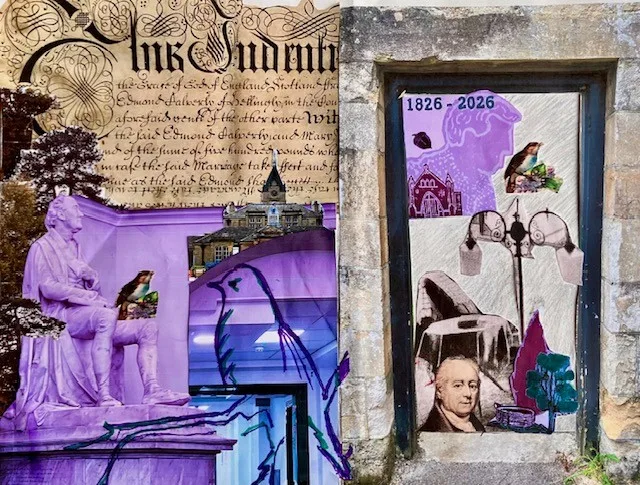
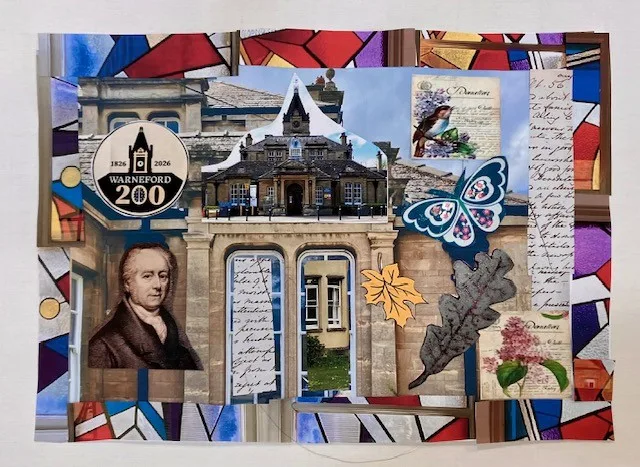
The Warneford 200 project is offering service users, staff and the wider community the opportunity to take part in a series of creative health activity workshops based on the historical records of the hospital.
Workshops are taking place across Oxfordshire and are free to enter. Those taking part will have the chance to see the exhibitions, explore archival material, and create artwork based on their response to the materials and stories.
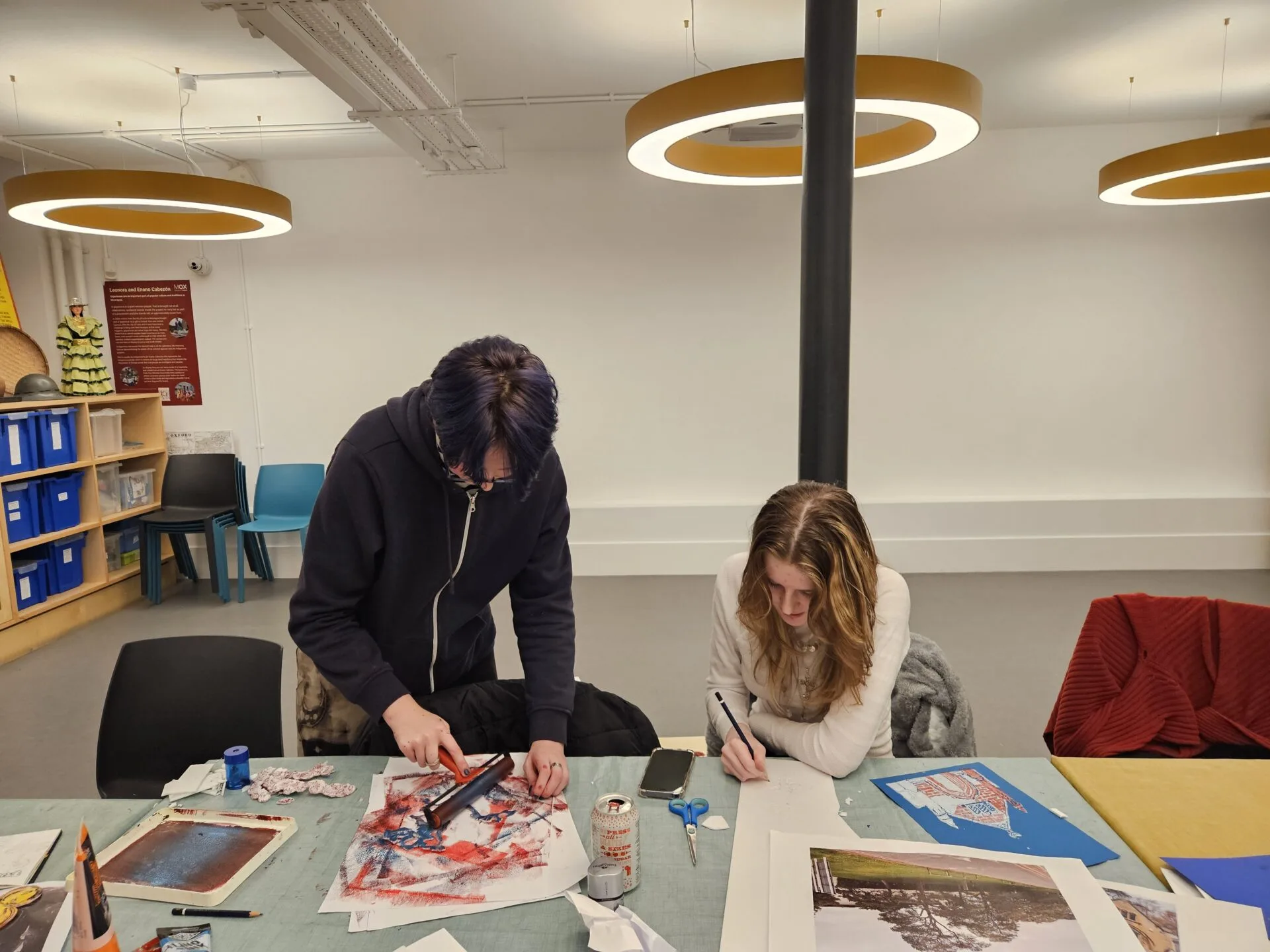
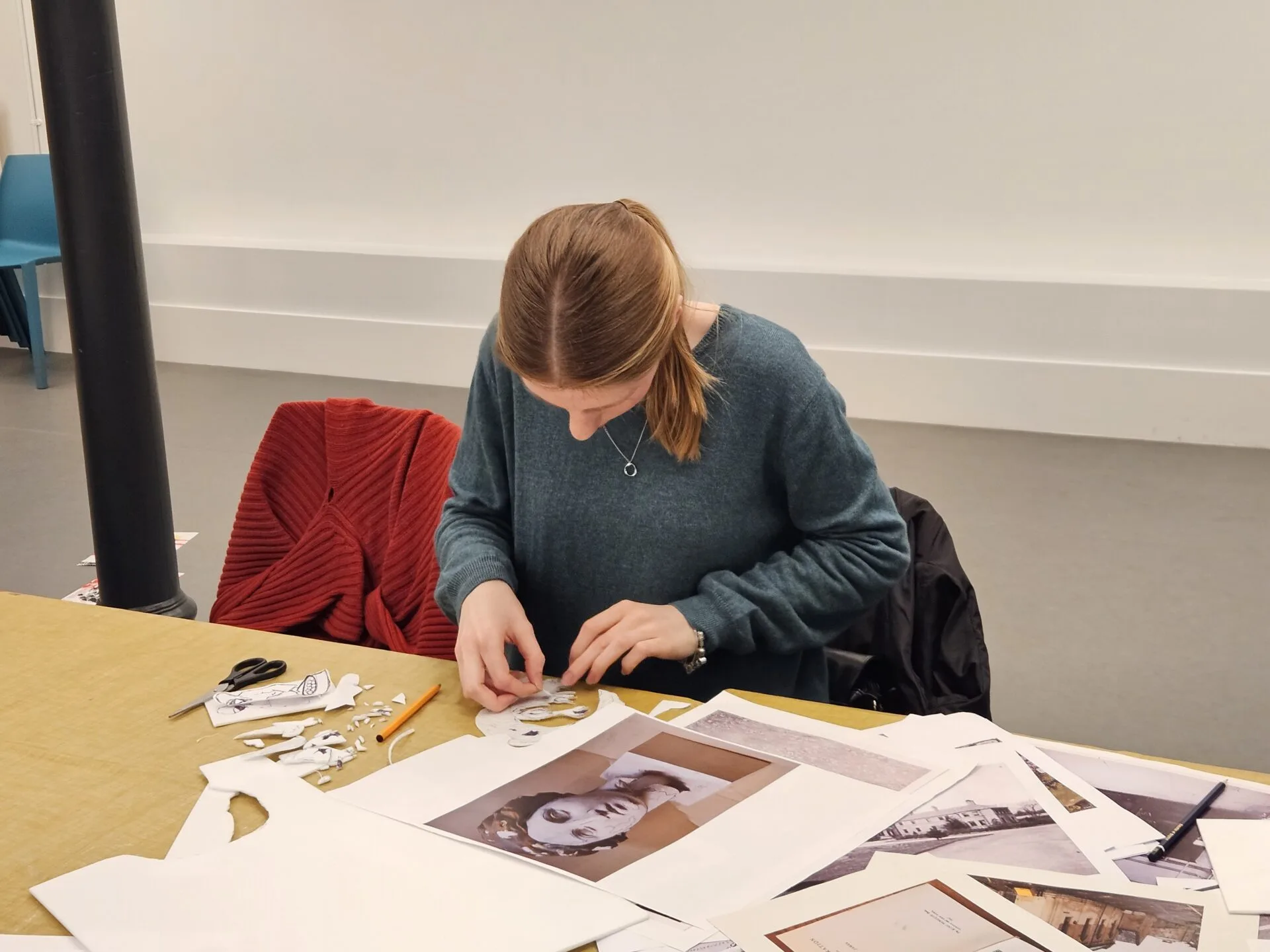
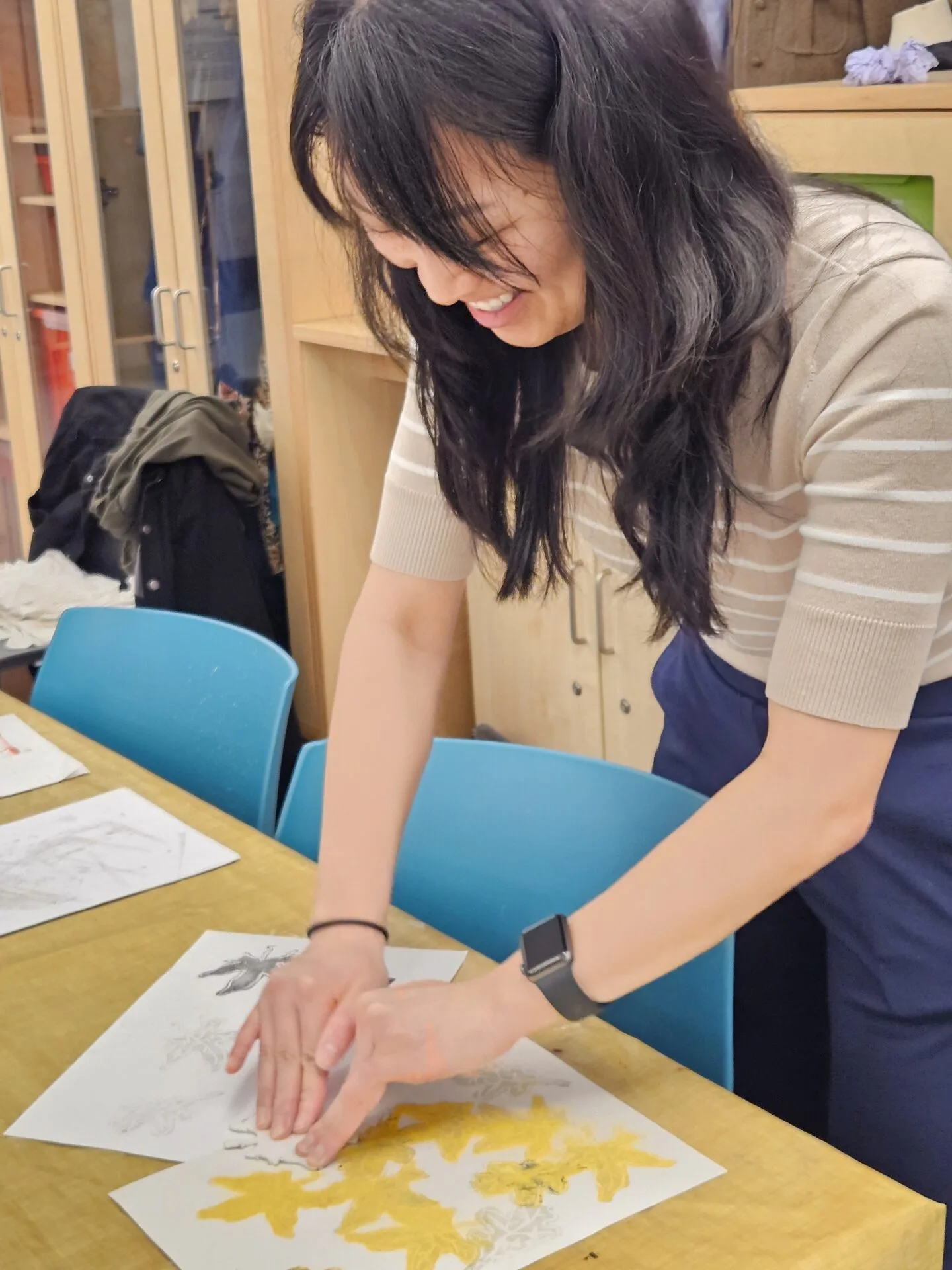
A selection of artwork produced will become part of the touring exhibition.
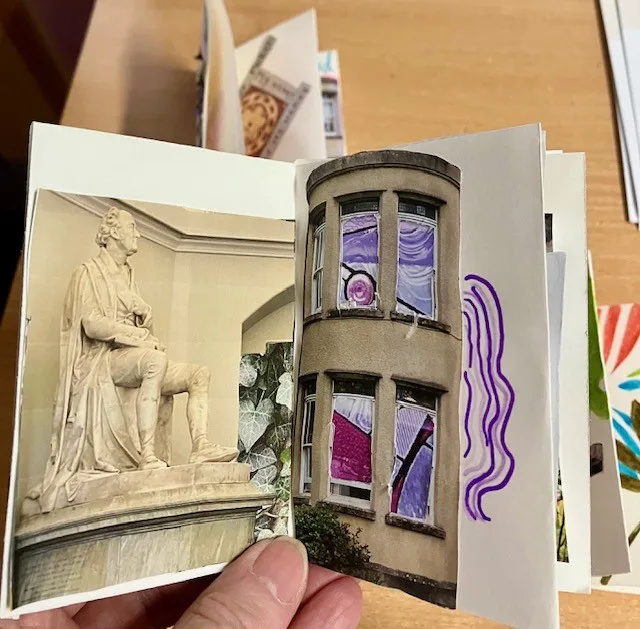
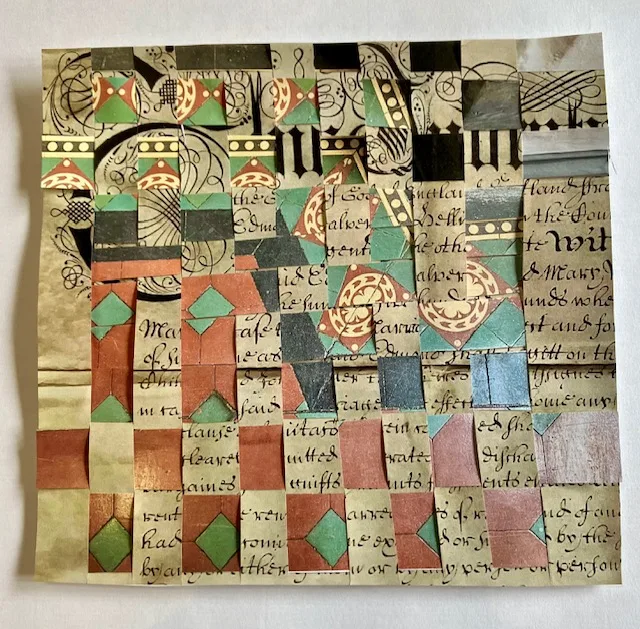
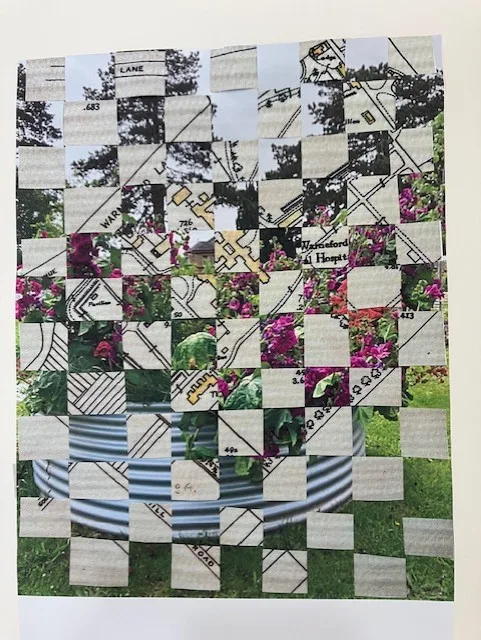
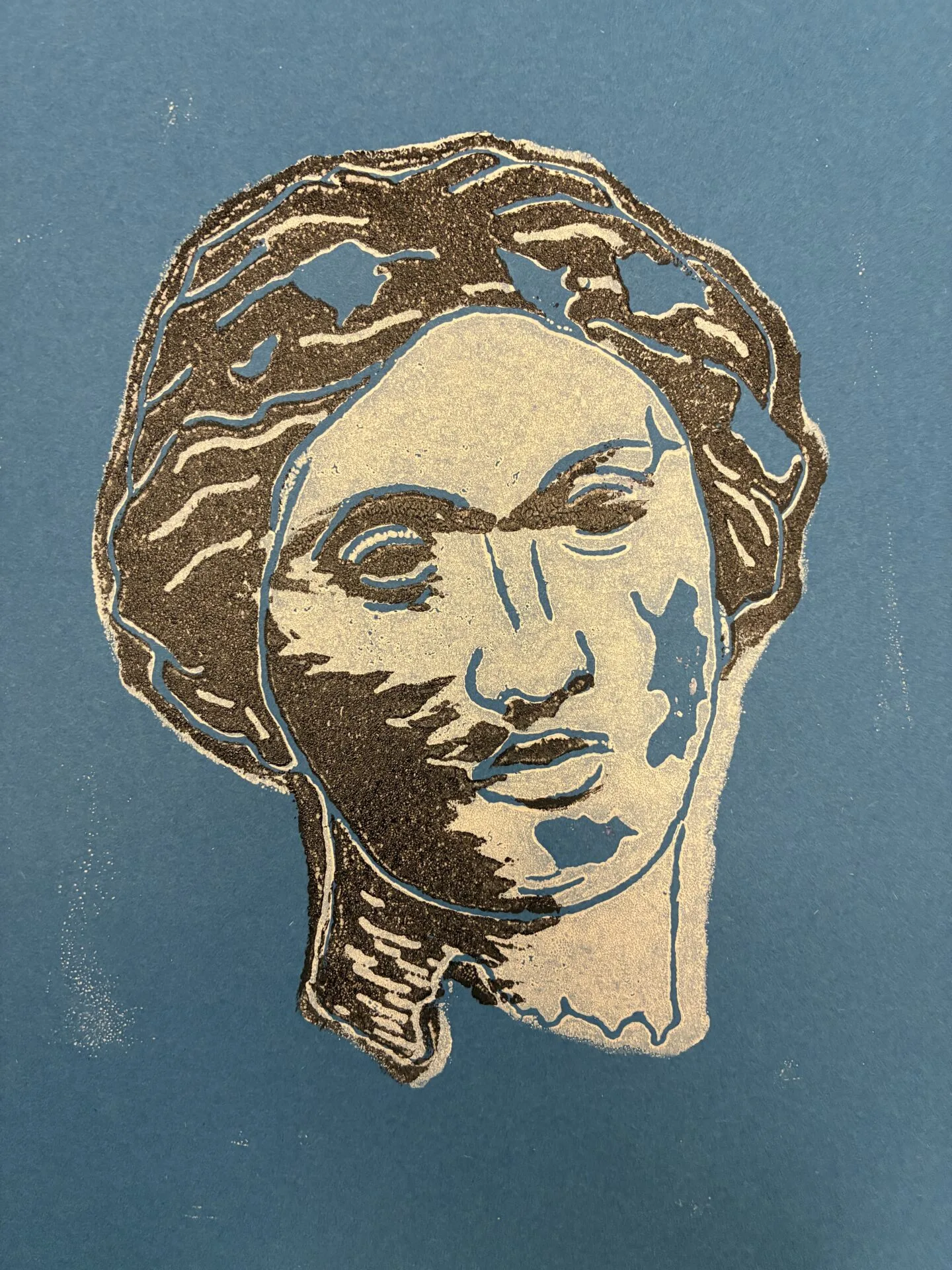
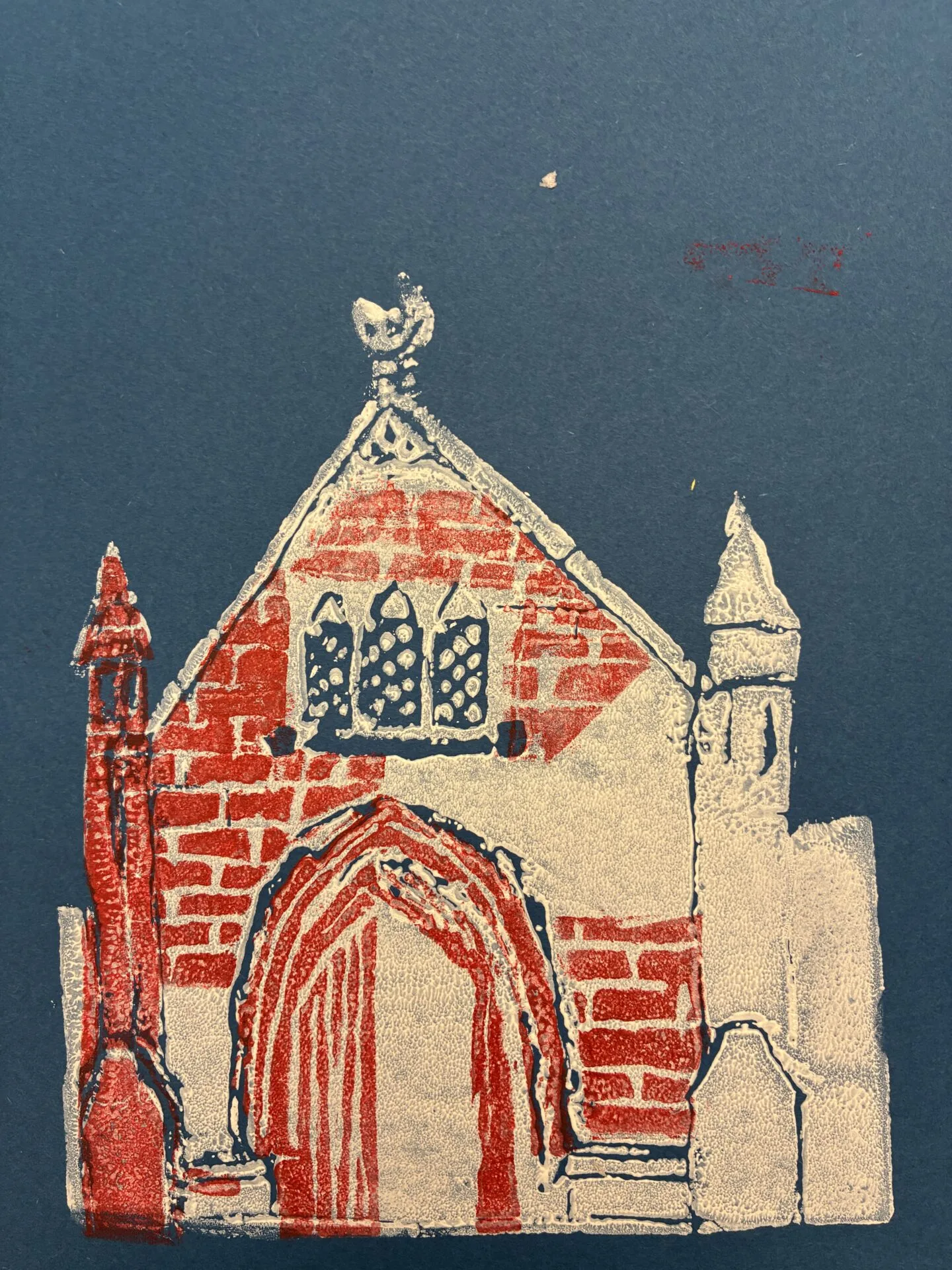
You can browse a selection of the artwork from previous workshops below.
Dates and venues:
10 July
12 – 2pm
28 July
10am – 1pm
5 September
10.30am – 1.30pm
14 November
11am – 2pm
McInnes Room, Warneford Hospital
To book, please email Tom.Cox@oxfordhealth.nhs.uk
Please meet at the main reception.
The Mill Arts Centre
Lock Room and Gallery space, Spiceball Park Road, Banbury, OX16 5QE.
Book tickets (from 9 July): Warneford 200: Mental Health Through the Ages Creative Workshop » The Mill Arts Centre
The Study, Cornerstone Arts Centre
25 Station Road, Didcot, Oxon, OX11 7NE
Drop in – No booking required.
Abingdon County Hall Museum, Abingdon
Drop in – No booking required. However, please arrive at 11am.
Creative activities at the Warneford:
Ever since the hospital’s opening in 1826, patients have been encouraged to take part in creative activities. Initially, these activities formed a key part of moral therapy, which focused on keeping patients to a routine, with regular times for work, relaxation and amusements.
The Warneford Hospital Regulations, produced in 1857 and 1872, stressed the importance of providing patients with occupations that promoted “cheerfulness and happiness”.
In the early twentieth century, the activities were formalised into occupational therapy and included a wide range of arts and crafts. At the Warneford, men were engaged in leather work, painting, mat-making and basket-making, while women were taught weaving, embroidery, macramé and painting. A trained occupational therapist, Margaret Jones, was employed at the Warneford in 1940. She introduced more utilitarian crafts such as boot and shoe repairs and carpentry.
Arts and crafts remained an important aspect of a patient’s daily routine in the 1980s; activities included music, pottery, sketching, cookery and bread-making and took place in a dedicated occupational therapy building.
Nowadays, Warneford occupational therapists work as part of multi-disciplinary teams, bringing activities to patients on the wards.