Julia Buchanan – Student Nurse
Interviewed by Jonathan Leach
Biography
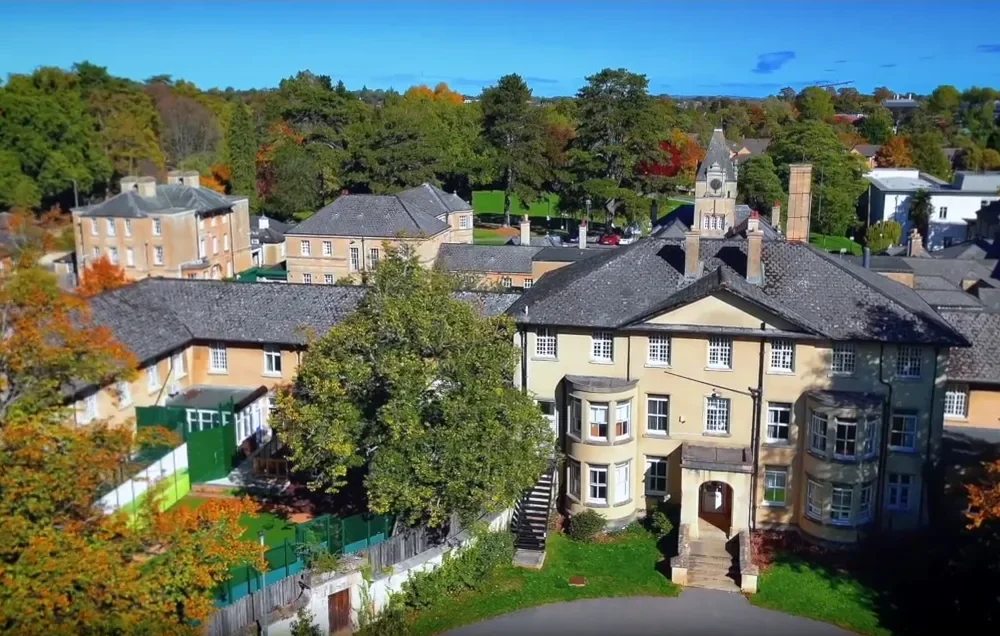
Julia trained and worked as a nurse in the field of physical health, but did a psychiatric placement on Wintle Ward at the Warneford in 1985 as part of her nurse training. Student nurses on placement tended to spend a lot of time talking with patients and they participated in regular community meetings on the Ward where patients were encouraged to talk about themselves. During her placement Julia was able to learn about different mental health diagnoses and the medicines used as part of the treatment. This had a big impact on her understanding of mental health in her subsequent career. She describes the nature of the Hospital at that time which was influenced by the Victorian hospital architecture with dormitories and many areas in which patients smoked (which they did a lot), but at the same time the Warneford from extensive grounds in which walks could be taken with patients.
Transcript of audio excerpt
Julia Buchanan
So I worked for the Oxford Hospitals for about 38 years in total. I was primarily a physical health nurse, worked in general nursing, palliative care, medical care, did some nurse education and lecturing. But I did have a very interesting and formative experience at the Warneford right at the beginning, near the beginning of my general training back in the 1980s and also I’m very interested in the history of healthcare, the history of nursing. How things change all the time and we have to learn different ways of caring for people.
Well, I was there. I think it was the… it was 1985 and I’m pretty sure it was this sort of Spring months, February, March time and I was on Wintle Ward in Warneford… in the Warneford. And so I was a junior still and within that… very… still very junior student nurse and I was on… it was my psychiatric placement. At that time, we did have these specialty placements like psychiatry, paediatrics, obstetrics and I don’t think the general adult nurses have that now in their degree and when I look back, I do feel lucky to have had that experience.
Jonathan Leach
You said you were on the Wintle Ward, is that right or what did…?
Julia Buchanan
Yes, Wintle just Wintle and next door to it was Vaughan Thomas Ward and two of my friends were placed there and our understanding was that Wintle and Vaughan Thomas at that time were acute admission wards. So the patients we were looking after, or helping to look after, were people experiencing an acute episode of illness. Often it was the first time they’d been unwell. Seriously unwell with their mental health. Although I think I did meet people who were coming back with kind of subsequent episodes and we did learn quite a lot about how… how that can be part of someone’s journey is having a number of episodes. So… So they were. We were introduced to these wards as acute admission wards, whereas our friends based at the Littlemore were maybe working with people who had had mental illness over a really long period.
Jonathan Leach
So was it… But so it’s… basically was a locked ward?
Julia Buchanan
No, it wasn’t. It wasn’t locked. No. And in my memory that I only remember one person being there under a Section of the Mental Health Care Act. But I might be inaccurate then, because I just didn’t know very much. But there were lots of other patients who were there on a voluntary basis.
It was like a different, definitely a different sort of nursing. And I think a lot of the time we were sitting with people just talking to them if they wanted to talk, listening I think to people. I tend to remember the patients who were very voluble and did want to talk a lot and I think I did… kind of really… was kind of meeting people who… who did have delusions and kind of heard a lot about their ideas and thoughts. There were other people on the ward who were suffering with very deep depression and it was difficult to talk to them because they didn’t really want to talk so I remember… Yeah, sitting with people, talking to people.
There were group activities. There was the… we were part of the Community Meeting which happened twice a week in the morning when everybody on Wintle all got together in this big day room. It was this a sitting room with big French windows out onto the gardens and you’d get the chairs round in a great big circle and all the patients, doctors, nurses and occupational therapists, everybody that was there sat round and there was no agenda. So everybody gathered and would sit quietly most of the time, and sometimes people spoke or brought up issues, and then… and then it ended. And I… this was all very kind of new to me and I used to kind of find it quite challenging because I used to sit there feeling sort of very responsible, but yet not really sure whether I had anything to contribute. And I think sometimes… I do remember some patients spoke then. So that that was a part of what the ward was trying to do was to kind of create a sense that people were in a community together. Trying to get better and to a certain extent support each other.
I learned a lot about the medicines that were used at that time and a lot of these people, the patients who were suffering with psychosis, they were treated with medicines like chlorpromazine, haloperidol, and throughout my career I came across those medicines in slightly different settings. So it was the beginning of learning about… more about use of medicines, the kind of unwanted side effects of medicines, but also therapeutic effects
I think when I look back, I think… I think got… it was quite… it seemed like quite a biomedical model and I suppose at that time in the 80s these powerful tranquillising, for want of a better word, drugs were very valuable in that they meant that people could get relief from very distressing symptoms and not need the very old fashioned sort of restraint and that sort of thing. But on the other hand since then, I have thought well where was the sort of psychological and emotional support for people experiencing something that was really hard?
But I must say I didn’t think of it as a as a grim place. My experience there on Wintle was that it was kind of … fairly relaxed and not too pressured, and I actually I don’t remember physical or even much verbal aggression, what you might call aggression from patients, I mean. Through my nursing career in in more general health, especially in in the last 10 years looked after some patients with very difficult behaviour. Symptoms perhaps related to dementia in old age and those sorts of things in the… in the general setting. But at that time in Wintle I didn’t think of it… I didn’t experience it as a frightening or grim place, but, but certainly I did understand the complexity or appreciate how the complexity of people having these illnesses…
Well… and we know we were in an old in a Victorian building. Some bits of that I liked like this great big day room on Wintle was like a big old sitting room. But I remember that was on the ground floor and other sort of general rooms were on the ground floor. And then I think the sleeping accommodation of the patients was upstairs and I was used to these sort of clinical 4-bedded bays at the John Radcliffe, which had been built in the late ‘70s. But this was it. They didn’t have that sort of bright light clinical feeling. But on the other hand, they did feel a bit shabby. People didn’t have much privacy, so there there’d be ladies rooms and men’s rooms, maybe with four or six beds in, I think. So it felt like it… That was the sort of environment it was.
There was an awful lot of smoking, though. Many, many of the patients smoked and that was allowed in, certainly in the sitting rooms. And obviously I mean I think there were areas where it was not allowed, but it was allowed in in most of the areas that that patients were using during the day. I remember that the visiting times were in the evenings. Which just made an impression me, not during the early part of the day. And that’s because there were meetings and group activities and therapies, I think in the in the earlier part of the day the visiting started I think about for… Yes, I remember that the outdoor space at the Warneford was in very valuable and often we student nurses were delegated to take somebody out for a breath of fresh air and so. We used to that that seemed a really, really great thing.
We certainly did walk around quite a lot. We used to… Where the meals came, there was a dining room, which in my mind for Wintle was again… that was upstairs with very long, deep windows and window seats. And that was where the ward meals were served. But between meals you could go there and there was a toaster and kettle. So there I spent quite a lot of time making tea and toast with patients and again sitting with them. So it was this much less formal, and to me as a junior member of the team, it seemed much less pressured than the JR.
Well, I think it was really very interesting and it gave me just… it was a short period, wasn’t it? But it did give me a glimpse into really serious psychiatric illness. For people of all ages and but actually especially these young adults and I learnt a lot about… well, it was the beginning of my learning, I would say, about kinds of psychoses or about depression, about sort of hyperactivity, the sorts of things that then, when I went on in my physical health nursing career, that sometimes I came across in other in other areas. Was most recently… well, when I finished my career I was looking… I was a specialist really in care of frail older people and so some of that initial learning from the Warneford played a part later on in me recognising sort of just behavioural symptoms, people’s psychiatric difficulties, those sorts of things. So it was a really good learning experience. I value having glimpsed things like the Community Meetings that idea of holding people in a sort of therapeutic community, although it’s probably fair to say, I think that it kind of wasn’t fully realised there. I think that though those are the key things really that I feel like I learned. And as I’ve said before, I did… I do remember a lot of patients as individuals and for some years after that I did sometimes see patients in in Oxford or round and about just because I remained in this locality for so long myself as well. So it certainly was an interesting and very valuable experience for me to be there.