Warneford Hospital Farm, by Mervyn Holliday
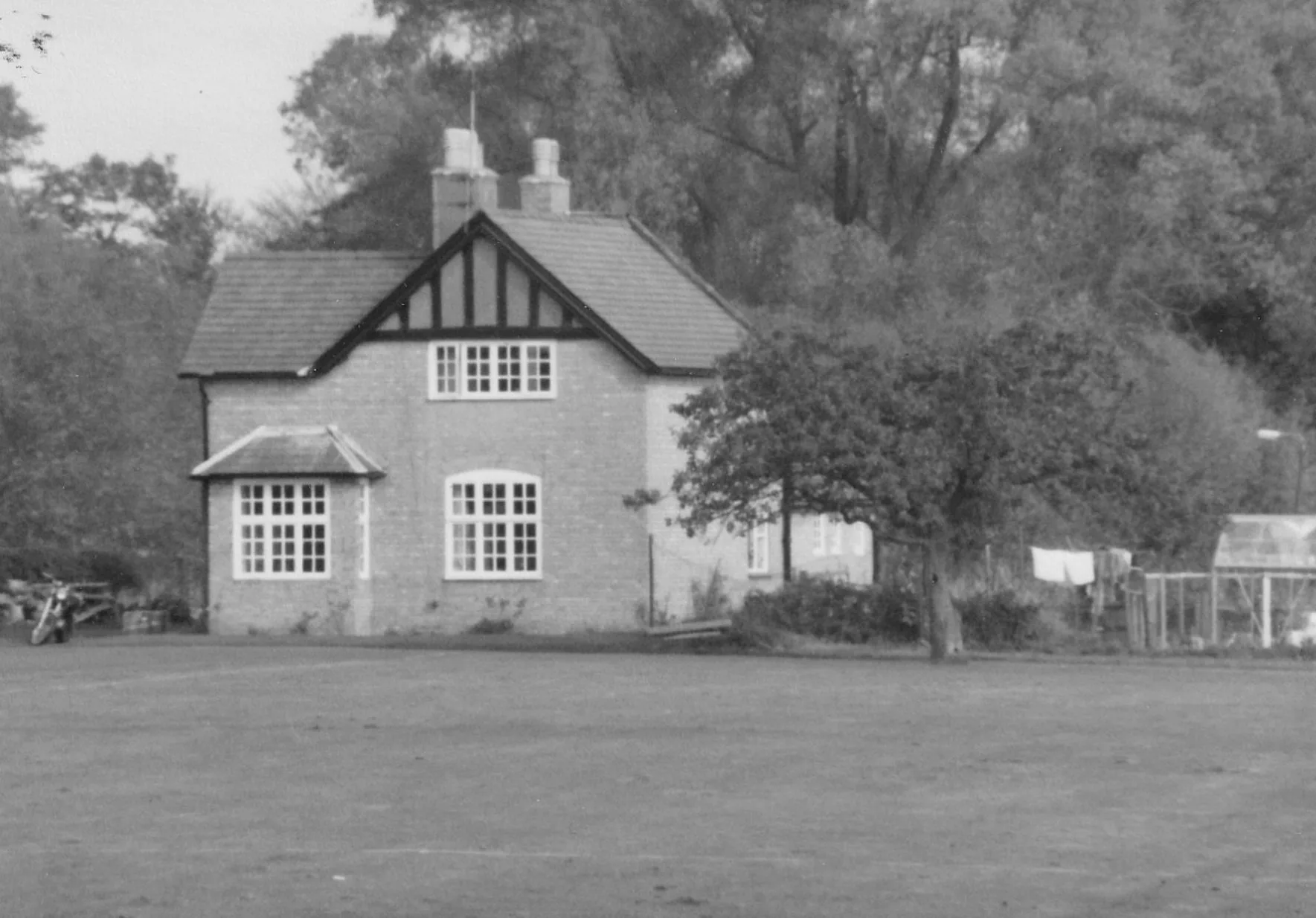
The Warneford Hospital Farm operated from about 1918 until its closure in the early 1960’s. My father was the Farm Manager from 1944 until 1957. He lived with his wife, Amy and 3 sons Andrew, Mervyn and Roger (born 1949) in ‘Farm Cottage’, as it was known, but more recently re-named ‘The Farmhouse’.
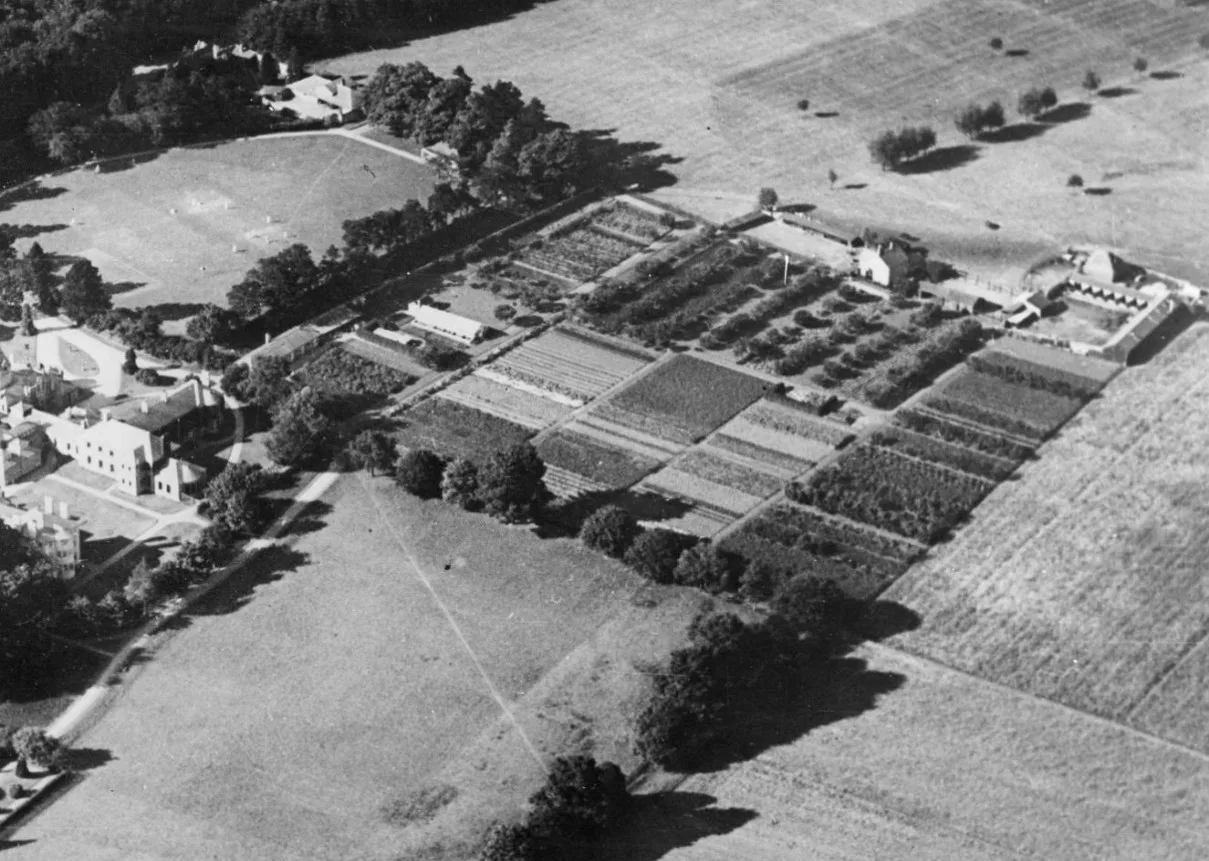
The arial photo taken in 1928 shows the surrounding area before the houses bordering Gypsy Lane, Old Road, Valentia Road and London Road were built. It also illustrates well the Kitchen Garden of the Warneford. Farm Cottage can be seen with farm buildings in the top right of the photograph, Farm Cottage stood on the drive which led from Warneford Lodge to the farm buildings.
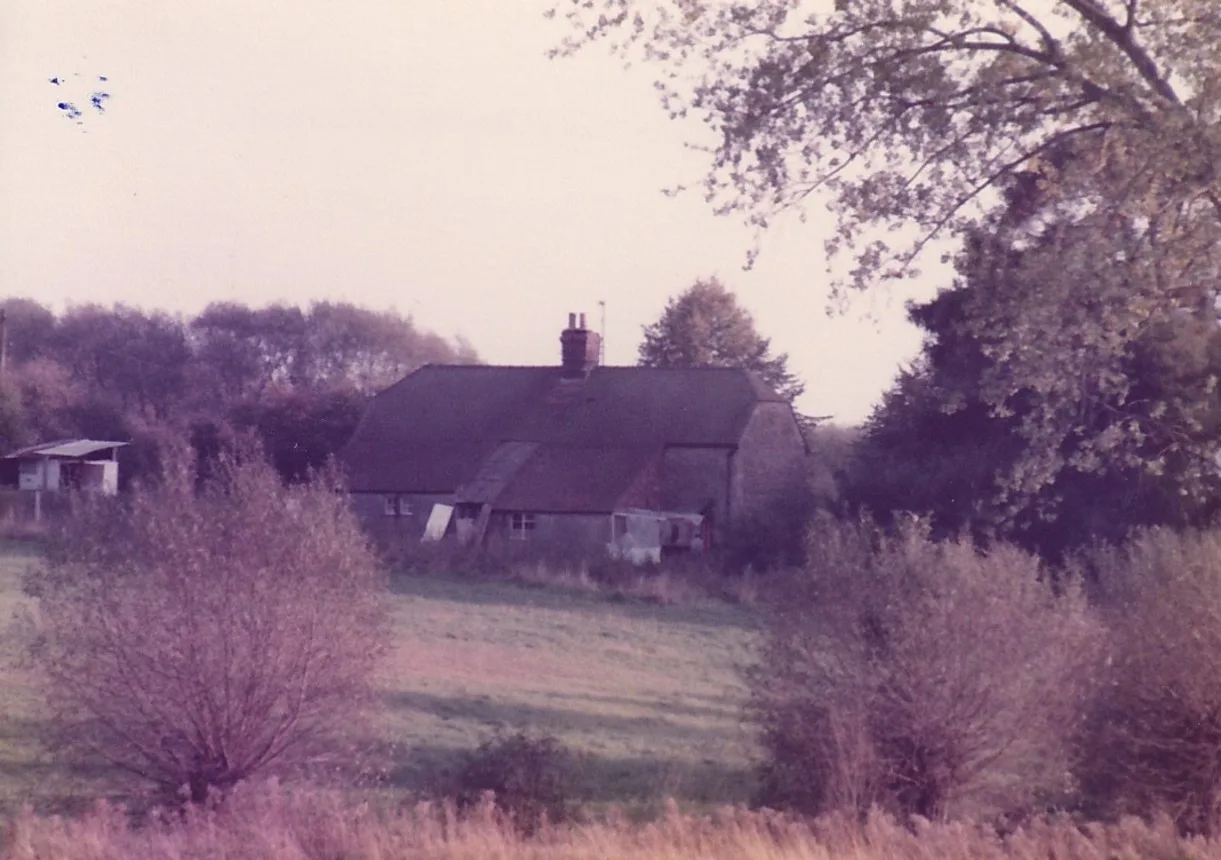
Warren Cottages were purchased as part of the farm in 1918. They had no electricity and Charles Waldron, who lived in No. 2, carried an accumulator to the farm each day to be charged and returned with it in the evening. I imagine this power supply was supplemented by hurricane lamps as the accumulator was not large. I presume a similar arrangement applied to No. 2 Cottage. The location of the cottages was where the No. 1 Car Park of the Churchill Hospital now exists.
The Warneford Hospital Farm was purchased from the remnants of Southfield Farm in 1918. Southfield Farm had been a substantial holding of some 340 acres in 1851. It included the land that was to become Southfield Golf Club, and extended to St Clements and included South Park. Divinity Road, Southfield Road and Hill Top Road. These roads were all built around the end of the 19th century. With the building of the surrounding estates. it is difficult to imagine what a rural area it all was.
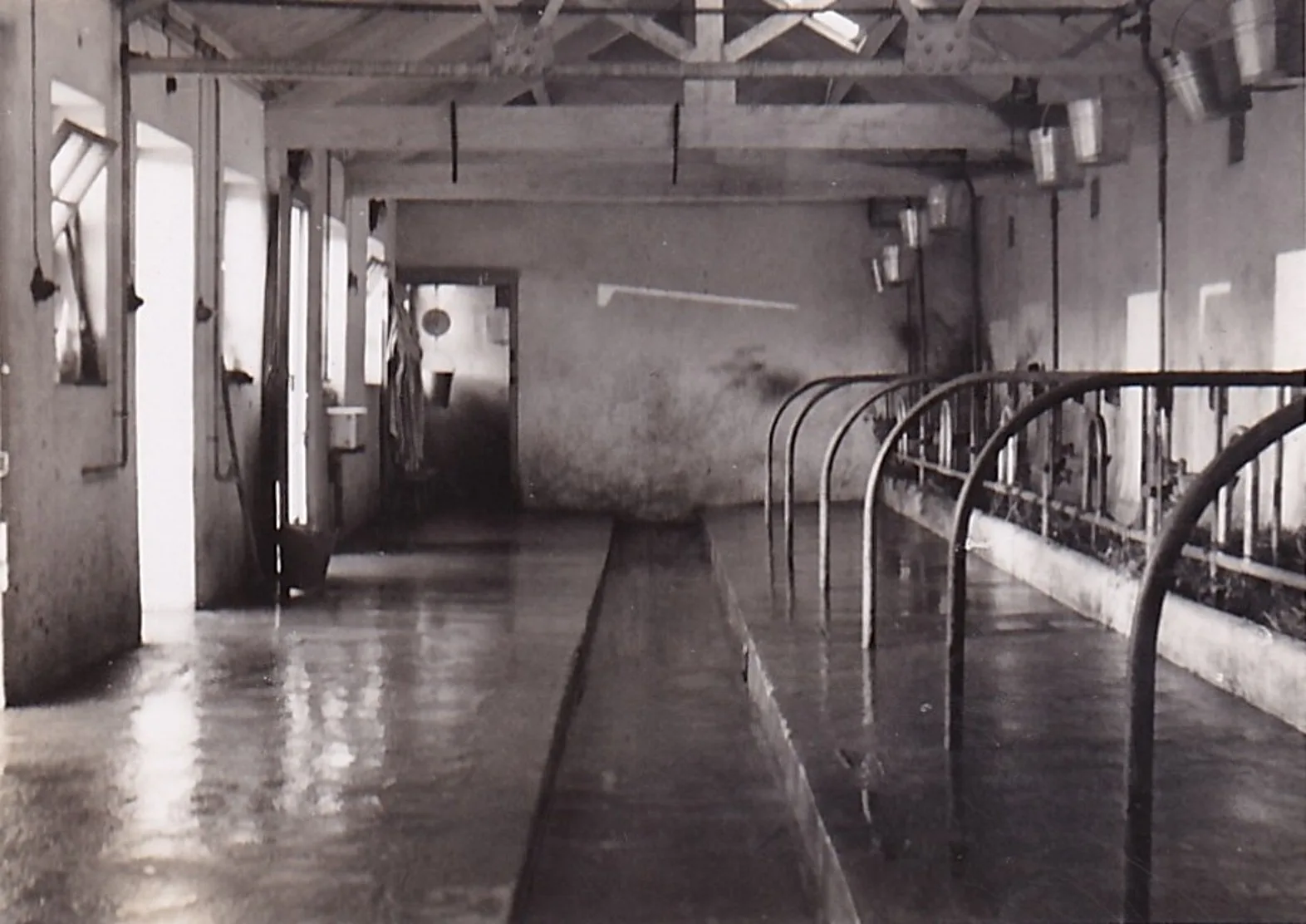
The size of Warneford Farm was only about 100 acres. It was a mixed farm producing potatoes, milk, eggs, chickens and turkeys for the Warneford and two nearby hospitals, The Park and the Wingfield (now called The Nuffield Orthopaedic Centre). There were about 20 milking cows producing about 40 45 gallons per day. Cows were milked twice daily. Pigs were reared and normally sold to Walls for sausages. Wheat and barley were grown and sold at Oxford Market. Hay was grown to provide feed and bedding. Hay was also used in the production of silage. This was used to feed cattle during the winter, made by adding molasses to the hay, which was allowed to ferment in an airtight earth clamp. The main purpose of the farm, apart from food for the nearby hospitals, was providing occupational therapy to the hospital patients. The number of patients working on the farm varied according to the season.
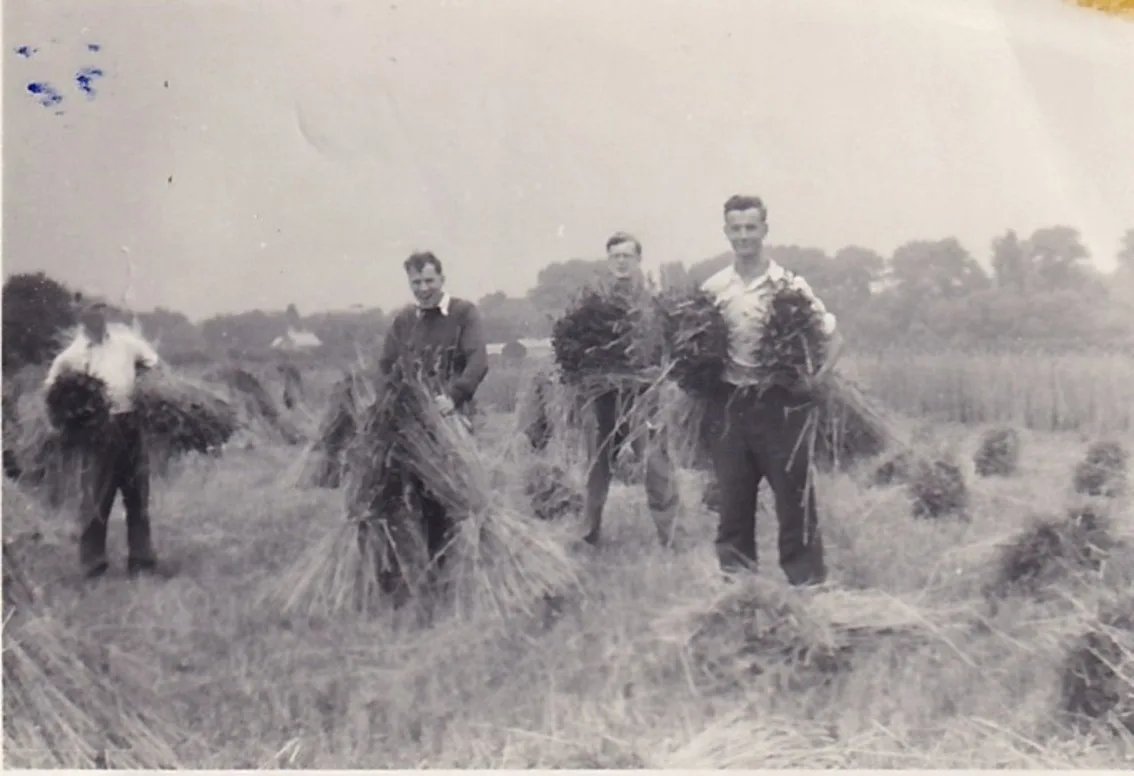
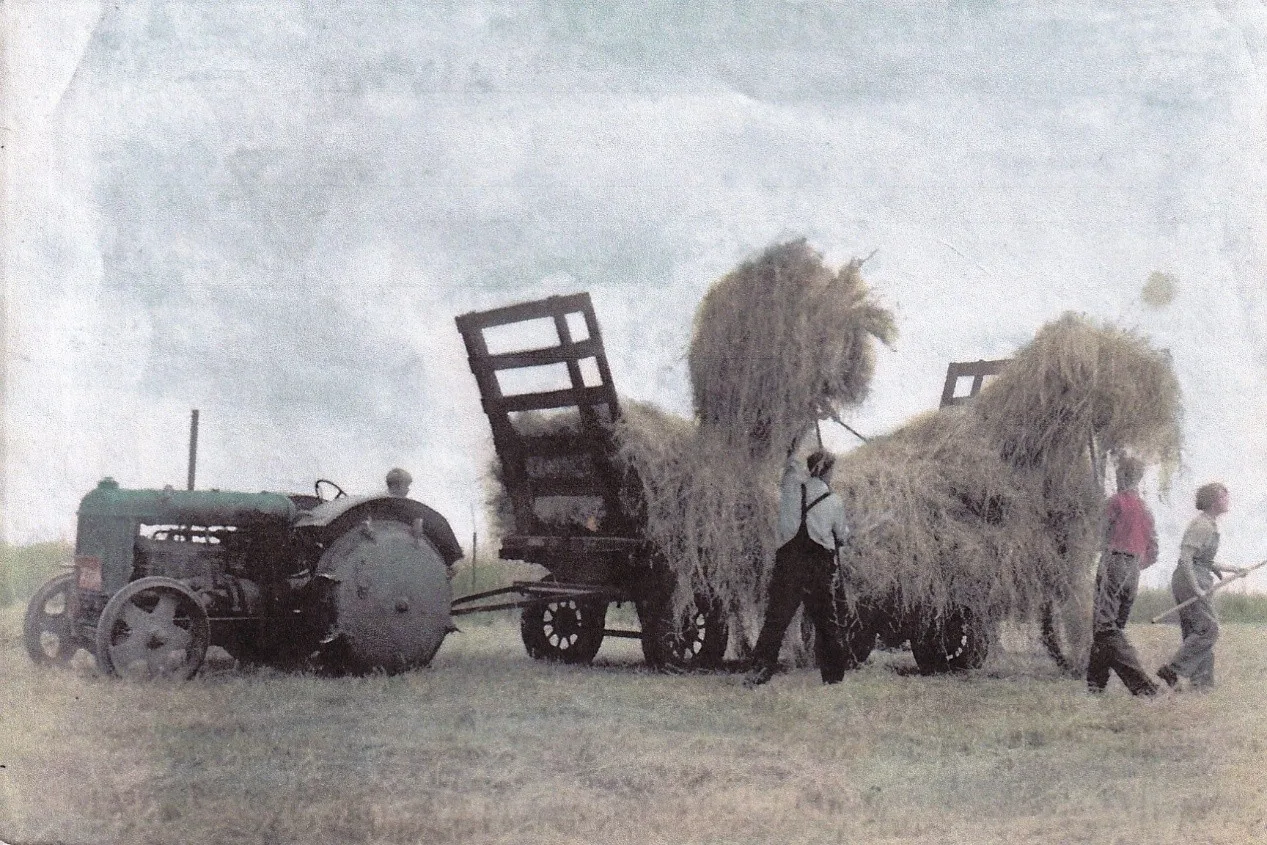
When my father was appointed, the farm was not in good condition. A lot of fencing had to be erected or repaired. The farm equipment was old, but funds were short so replacements had not happened. I suspect, but I have no evidence, that much of the equipment came from Southfield Farm following its sale.
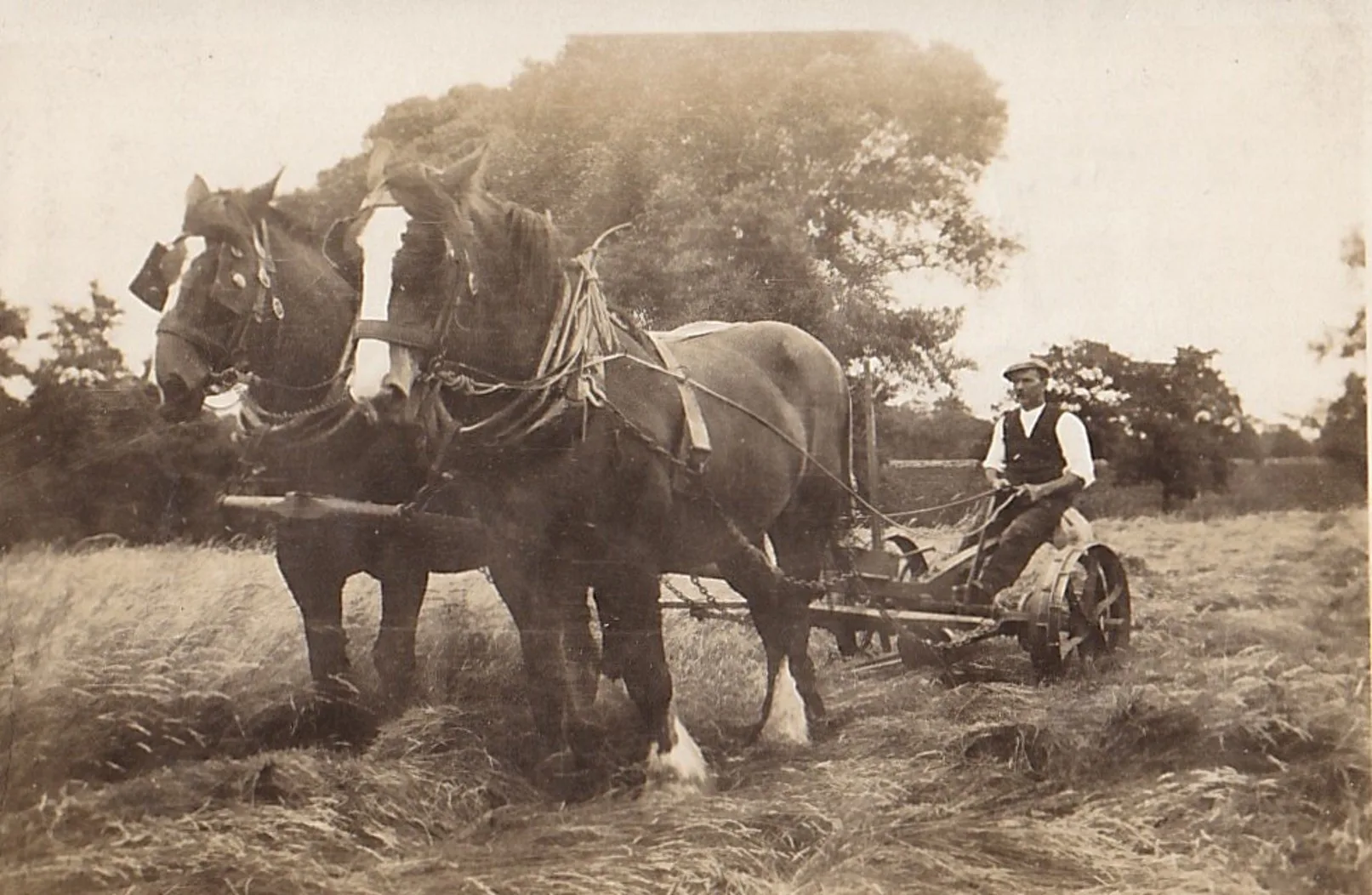
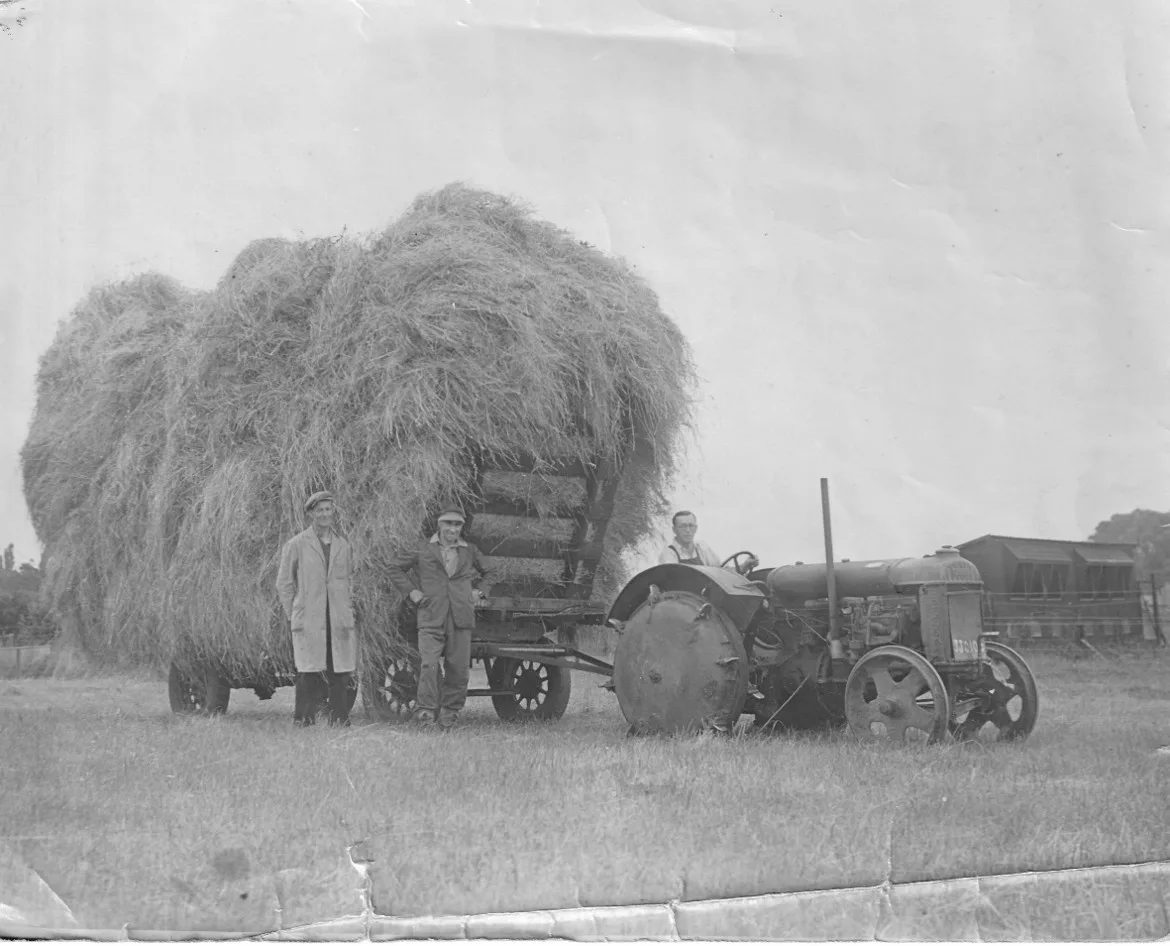
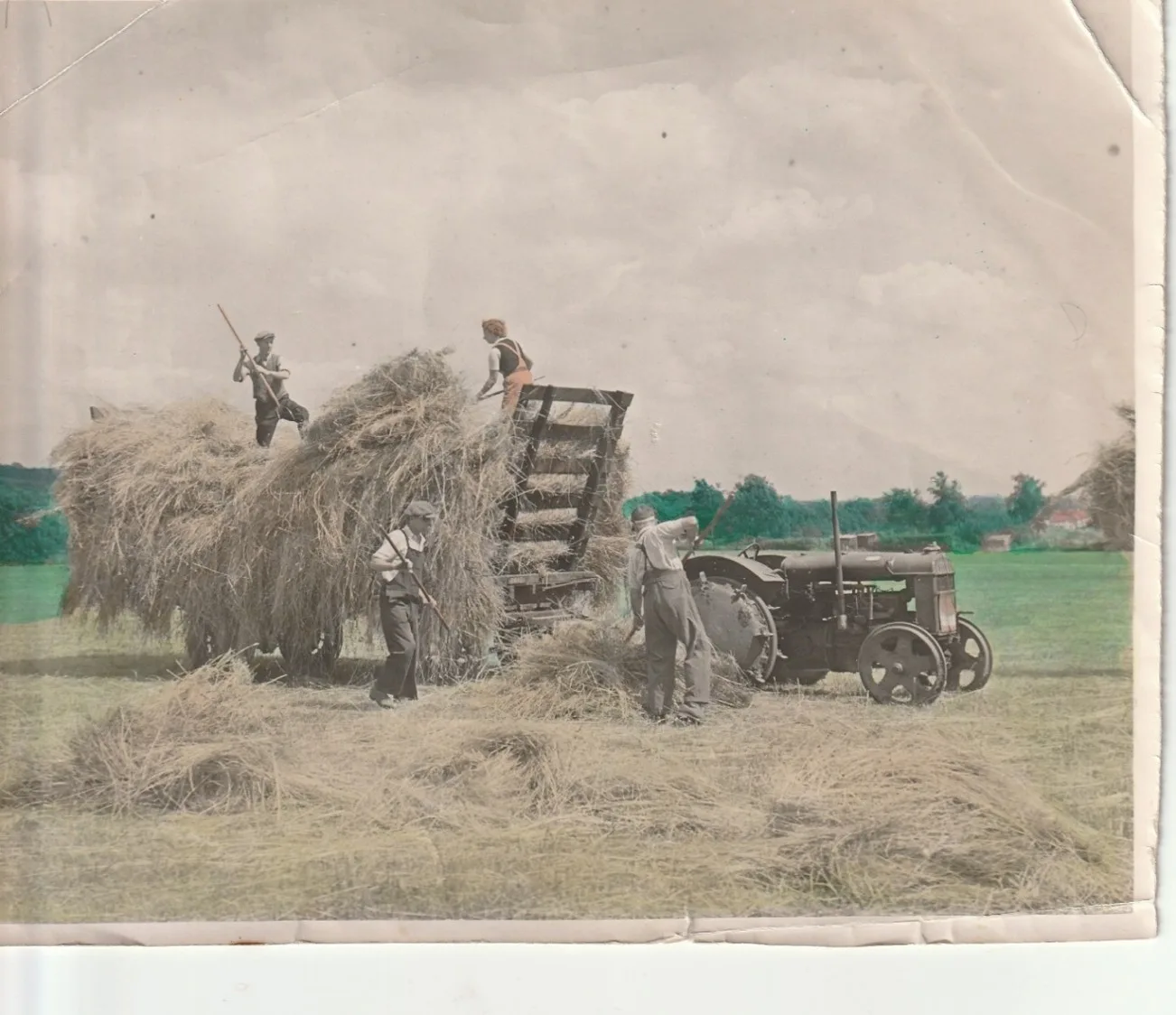
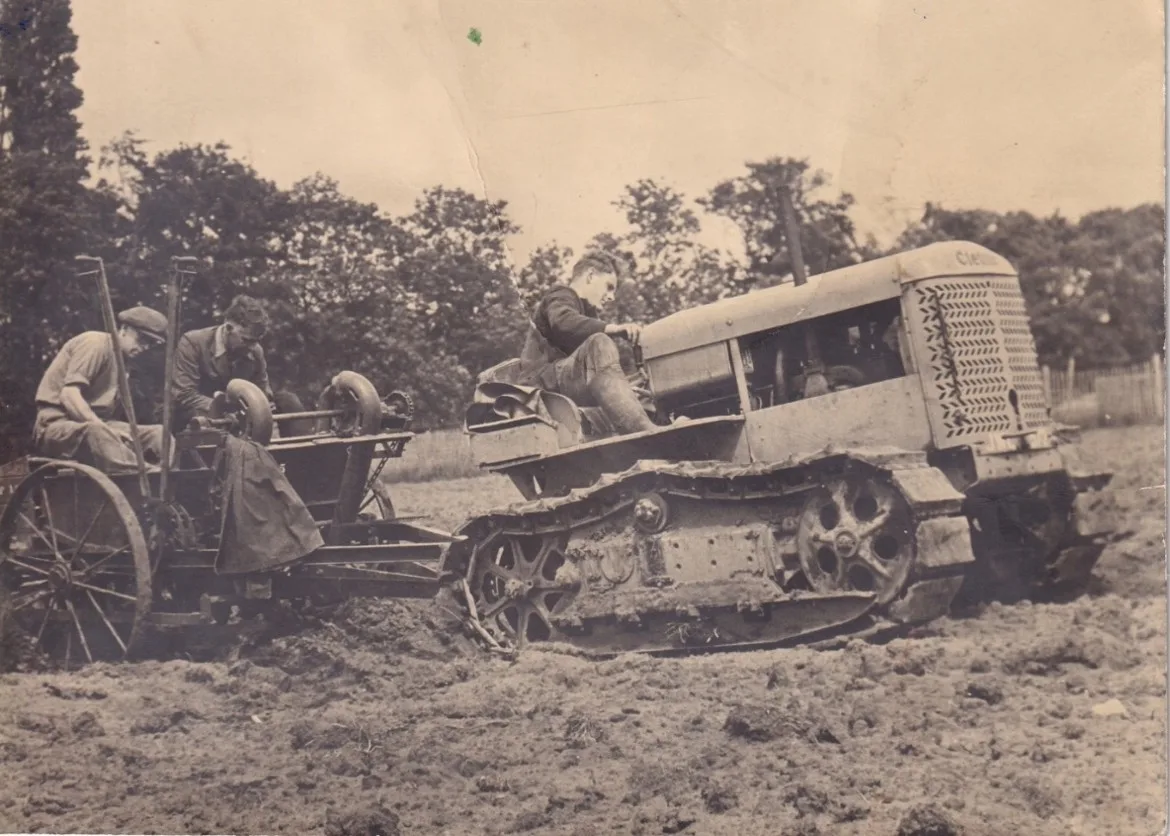
Cows were hand milked. Power was provided by 2 horses and an old Fordson ‘N’ from about 1930. Ripened wheat was cut using a very old binder which bound the wheat using course string and then ejected as stooks. I remember this piece of equipment was constantly breaking down. usually as a result of the string breaking. The stooks were then left to dry out while the weather was kind. An early 20th Century threshing Machine was used to separate the wheat from the straw. This was a very common traditional machine painted cream and a faded red. Power was provided by a stationery engine fired by coal. I have looked at numerous photos of these old engines but have not yet seen one that matches my memory. The straw was then baled and stored in the barn close by.
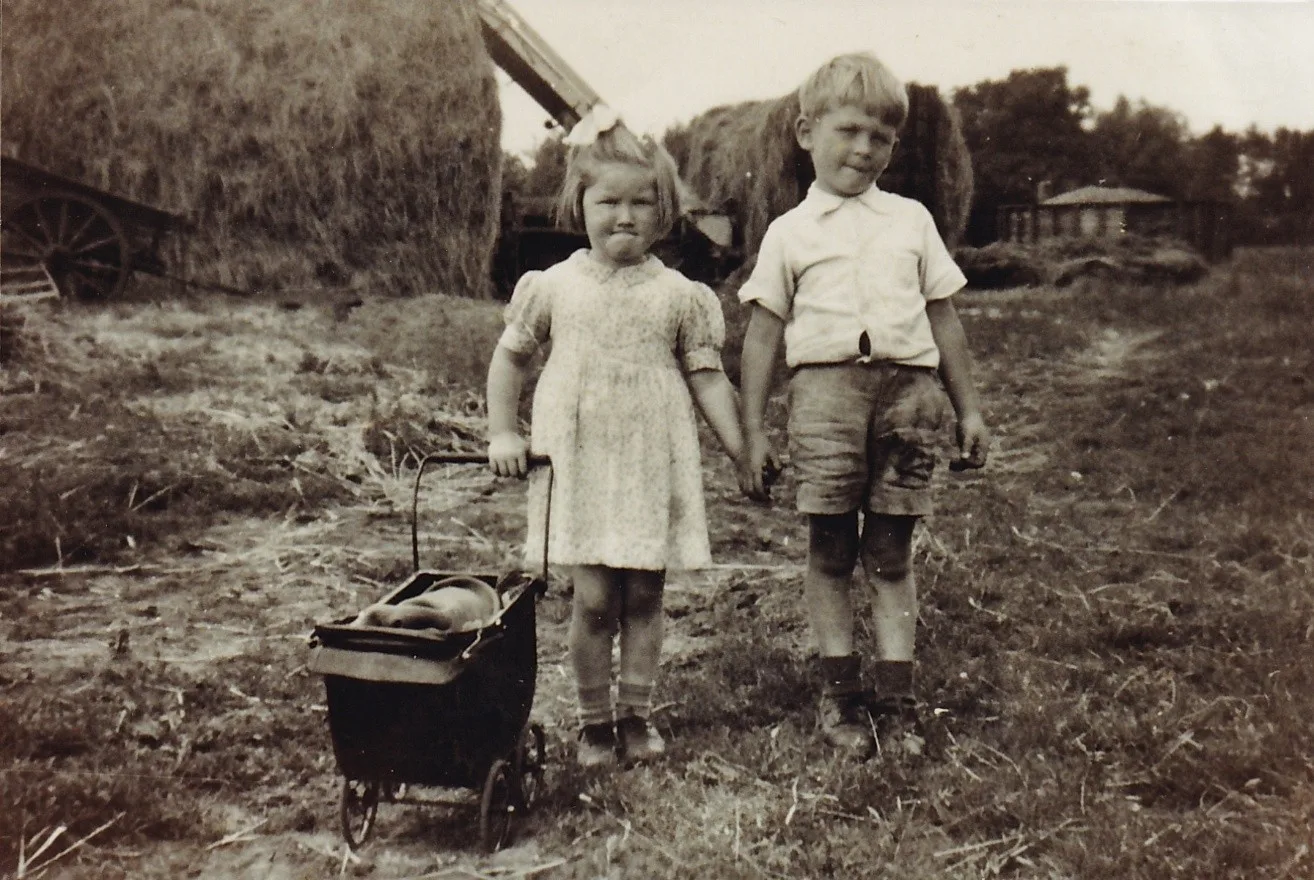
I shudder to think what I might have been getting up to with this little girl. Talk about a roll in the hay, it appears to be something going on the manure heap! However, the importance of this photo is to show the haystack in the rick yard. Haystacks were thatched by Charles Waldron when completed to protect from adverse weather. You can see the trailer ready to be unloaded into the elevator. Unfortunately, the stationery engine that would have powered the elevator and the threshing machine is not in view. What is just visible is one of the 2 carts pulled by the 2 horses. On the right you can see one of the doctor’s houses occupied at the time by a Dr Beggs.
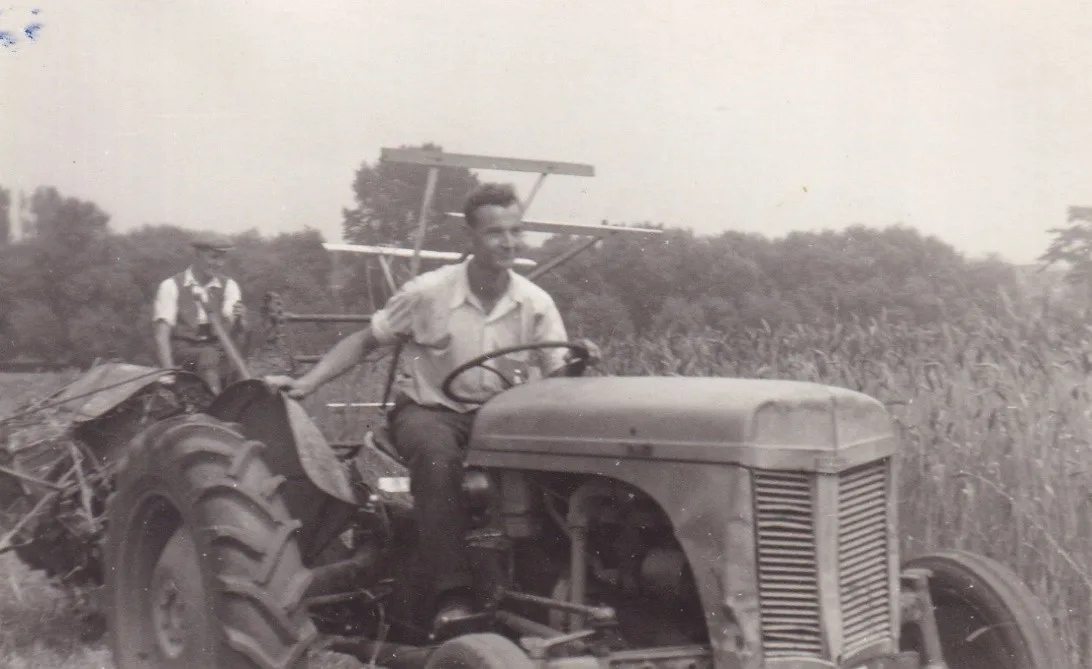
I spent much of my free time helping on the farm. This could be with my elder brother Andrew, feeding cows in the field with mangolds thrown from the horse and cart and later from the Fergy with one of us driving, and the other throwing mangolds. Other tasks were cleaning the yard after the cows had finished milking, helping Dad collect swill from the Warneford, Park and Wingfield Hospitals to feed the pigs. Putting sheets of cow cake through a grinder which turned them into ‘nuts’ for animal feed. Harvest was always busy and good fun. If the weather was very hot Dad would purchase a small barrel of cider as refreshment for the workers.
The area that now forms the Warneford Meadow was a good source of mushrooms in September and October. I would get up at about six am and collect them in a cardboard box and enjoy them with our cooked breakfast.
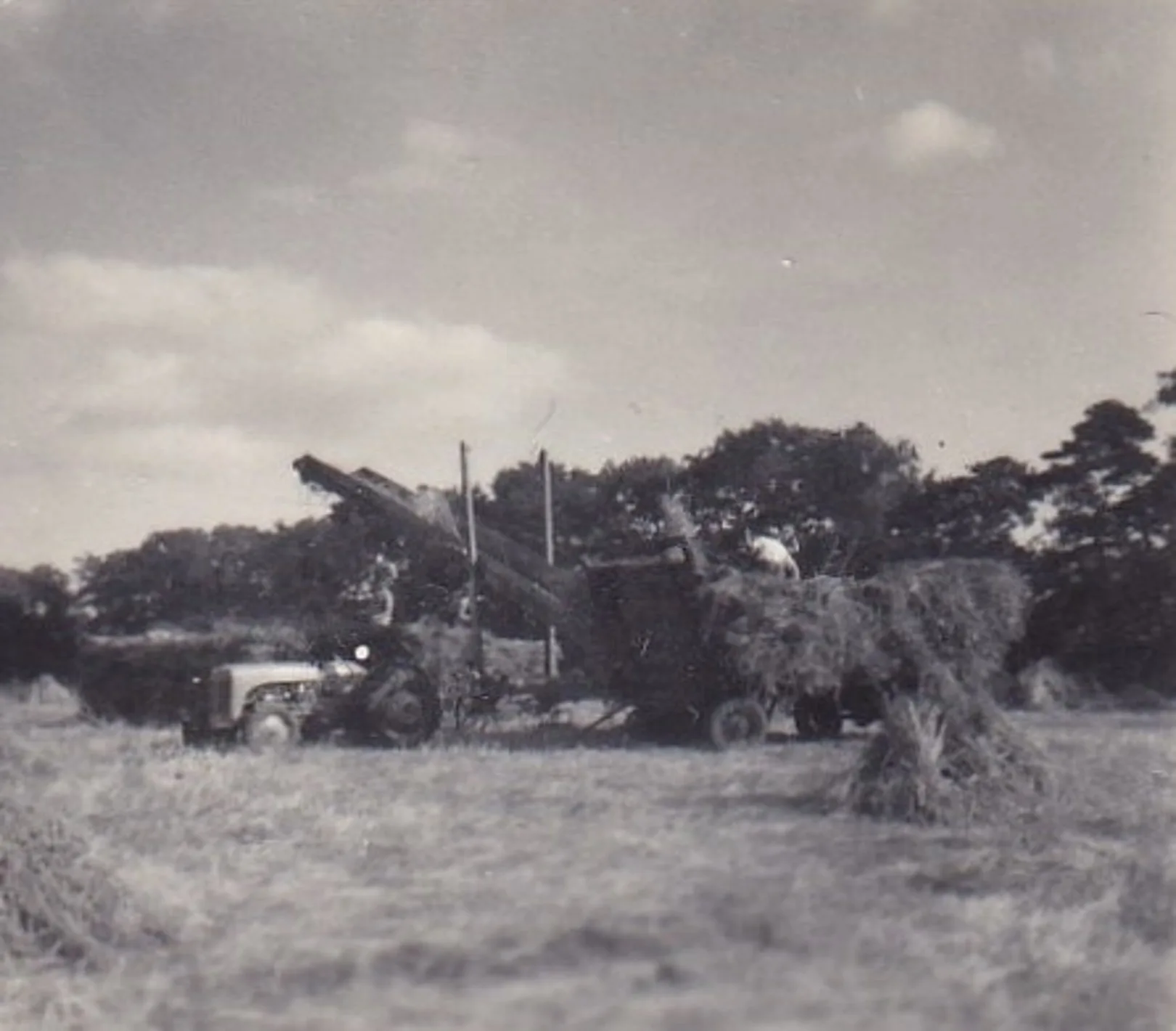
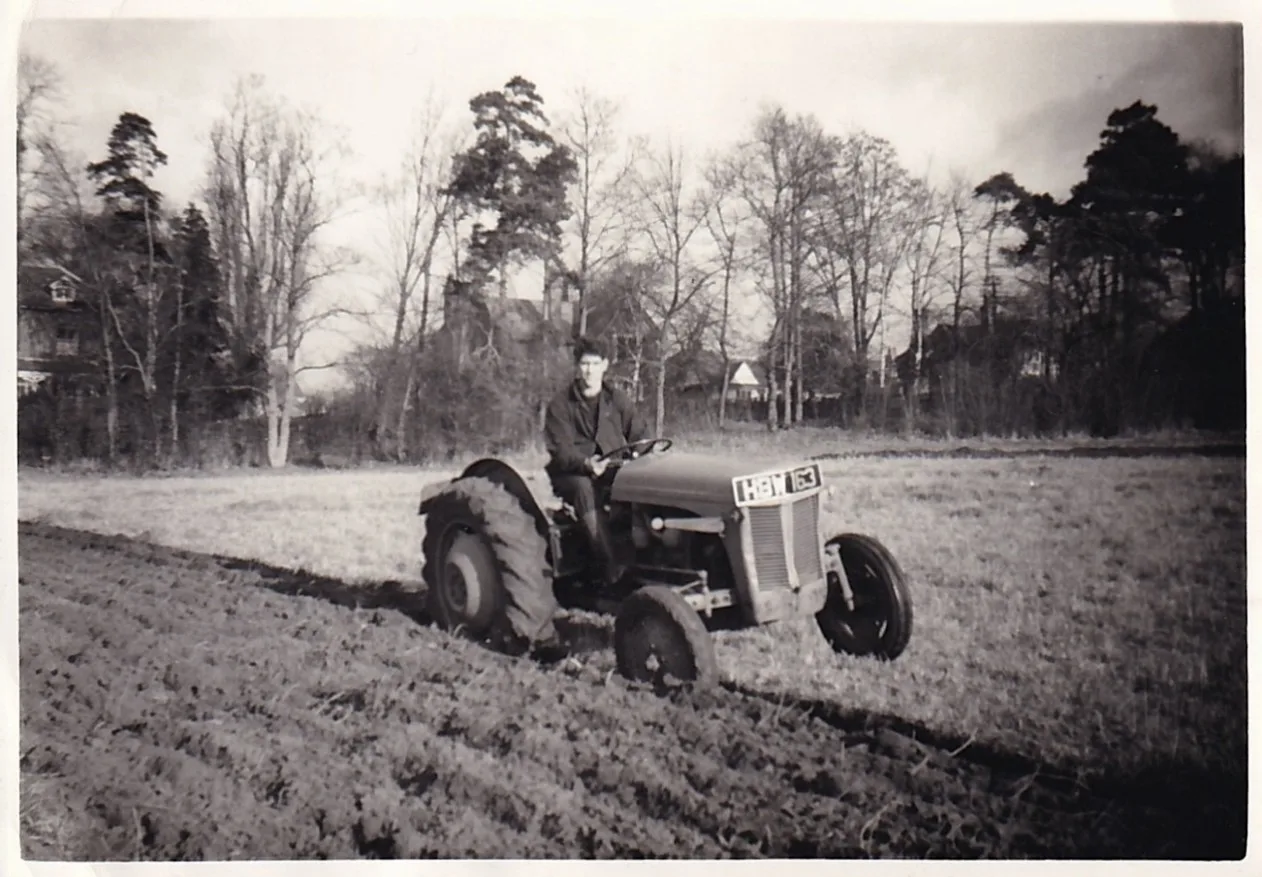
By the early 1950’s the two horses had been replaced by a Ferguson T20 petrol tractor. Petrol was obtained from a hand cranked pump located in the gardens complex. Also, a Fulwood electric milking machine was purchased to replace hand milking. Many fences were updated. My father built a basic open sided barn in the farmyard in which to house the two tractors and other machinery.
Chickens, which had been housed in a number of hen houses, were re-housed in a ‘deep litter’ facility in a barn adjoining the main farm buildings. This resulted in improved efficiency and lower cost.
In about 1954 a second Ferguson was purchased and the old Fordson was disposed of.
In 1957 my father obtained the post of Farm Manager at a larger hospital farm in Hertfordshire. He retired in 1978 and died in 2001.
