Changes in the way we treat mental health
“All the modern methods of treatment are now in use at the Warneford Hospital” (Warneford Hospital Annual Report, 1946)
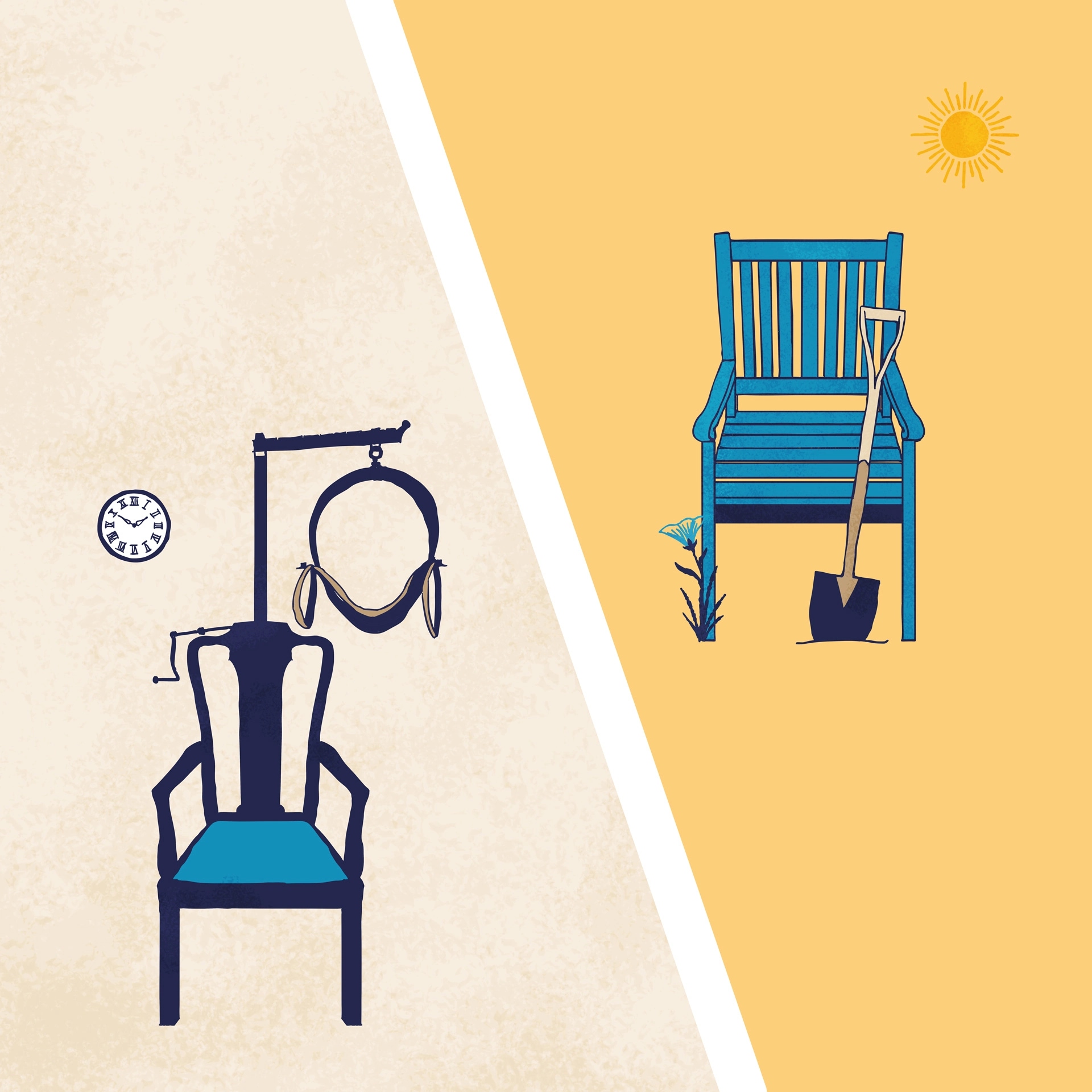
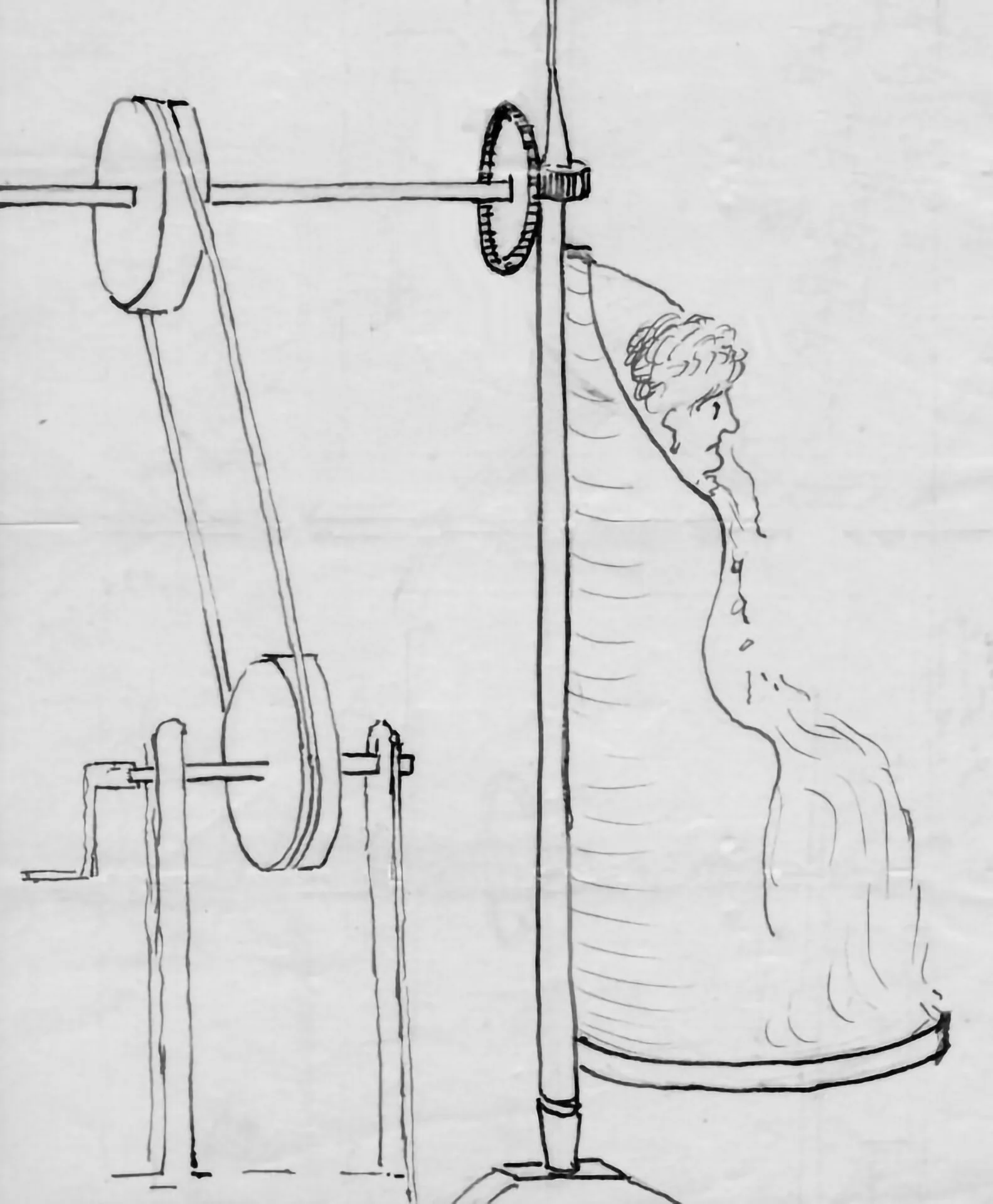
In the early years of the Warneford Hospital, doctors used traditional treatments like bleeding and purging, as well as electric shock therapy, hydrotherapy (special baths), physical restraint, and calming medicines.
These methods were meant to ease symptoms but couldn’t cure mental illness. Patients were also encouraged to exercise and help with daily hospital tasks to distract them from difficult thoughts.
Around 1900, talking therapies began to appear, and during World War I, soldiers with ‘shell-shock’ were treated at Littlemore Hospital. In the late 1930s, doctors hoped new physical treatments would bring progress. At the Warneford, they tried lobotomy (a brain operation), insulin therapy, and ECT (electroconvulsive therapy). Only ECT is still used today, in very limited cases. Occupational therapy also began in the 1930s.
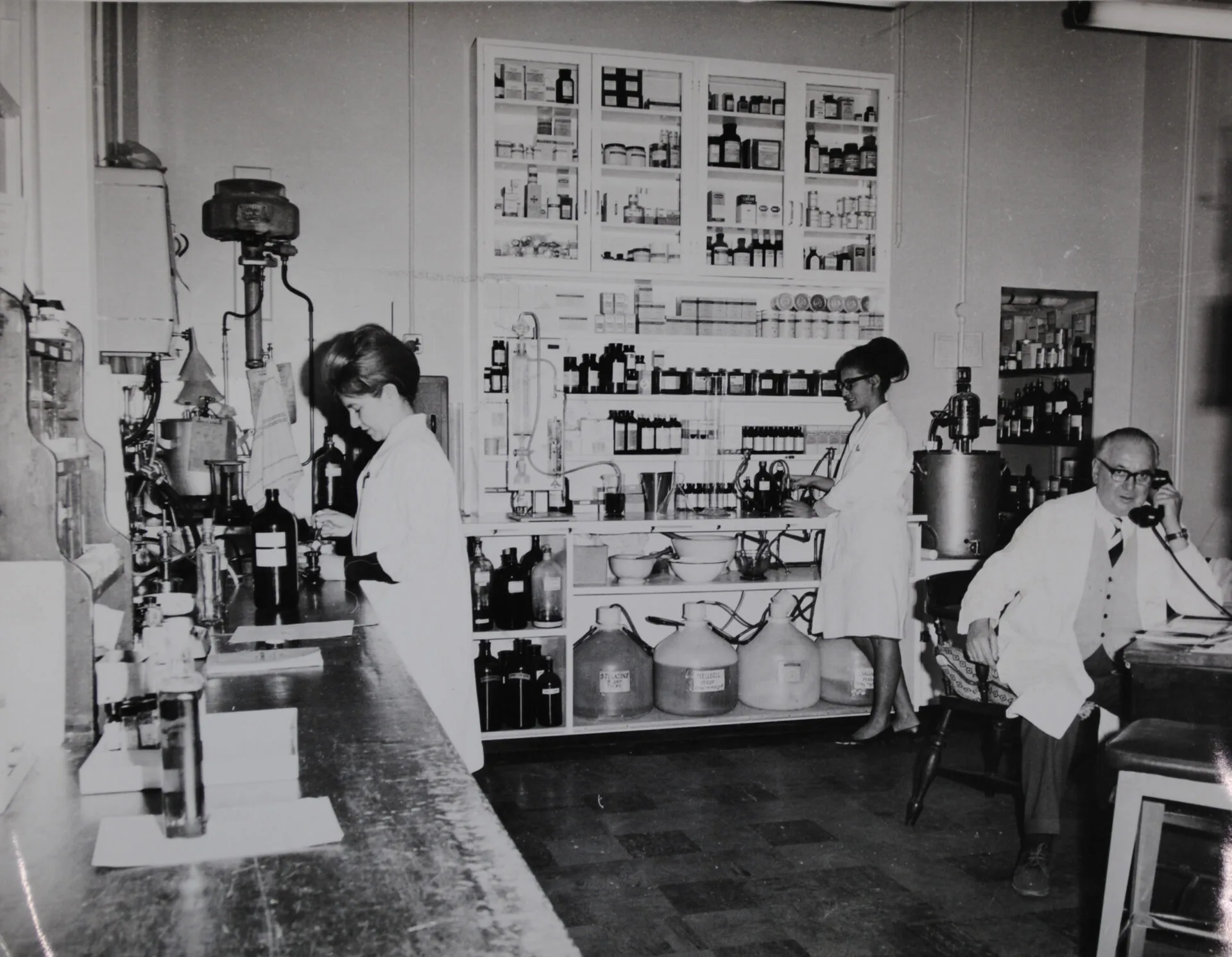
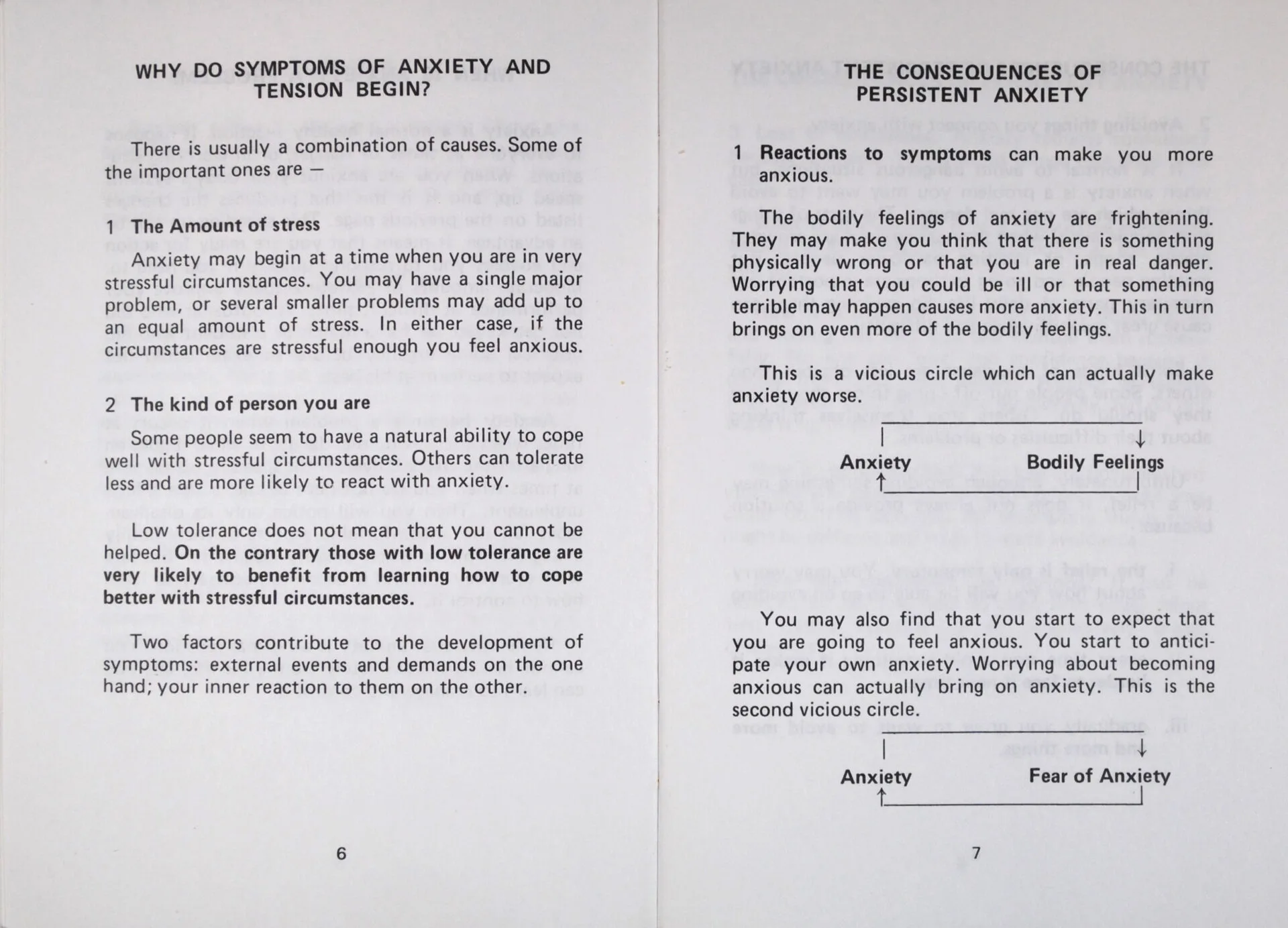
A major change came in the 1950s with the arrival of chlorpromazine, the first widely used tranquilliser, followed by new medicines like antidepressants. New psychological treatments, including behaviour therapy, were also introduced.
Oxford has played a leading role in developing modern medicines and improving psychological therapies. Better information about treatment options is now available, and care continues to improve, with more provision in primary care and from charities.
Innovation and research
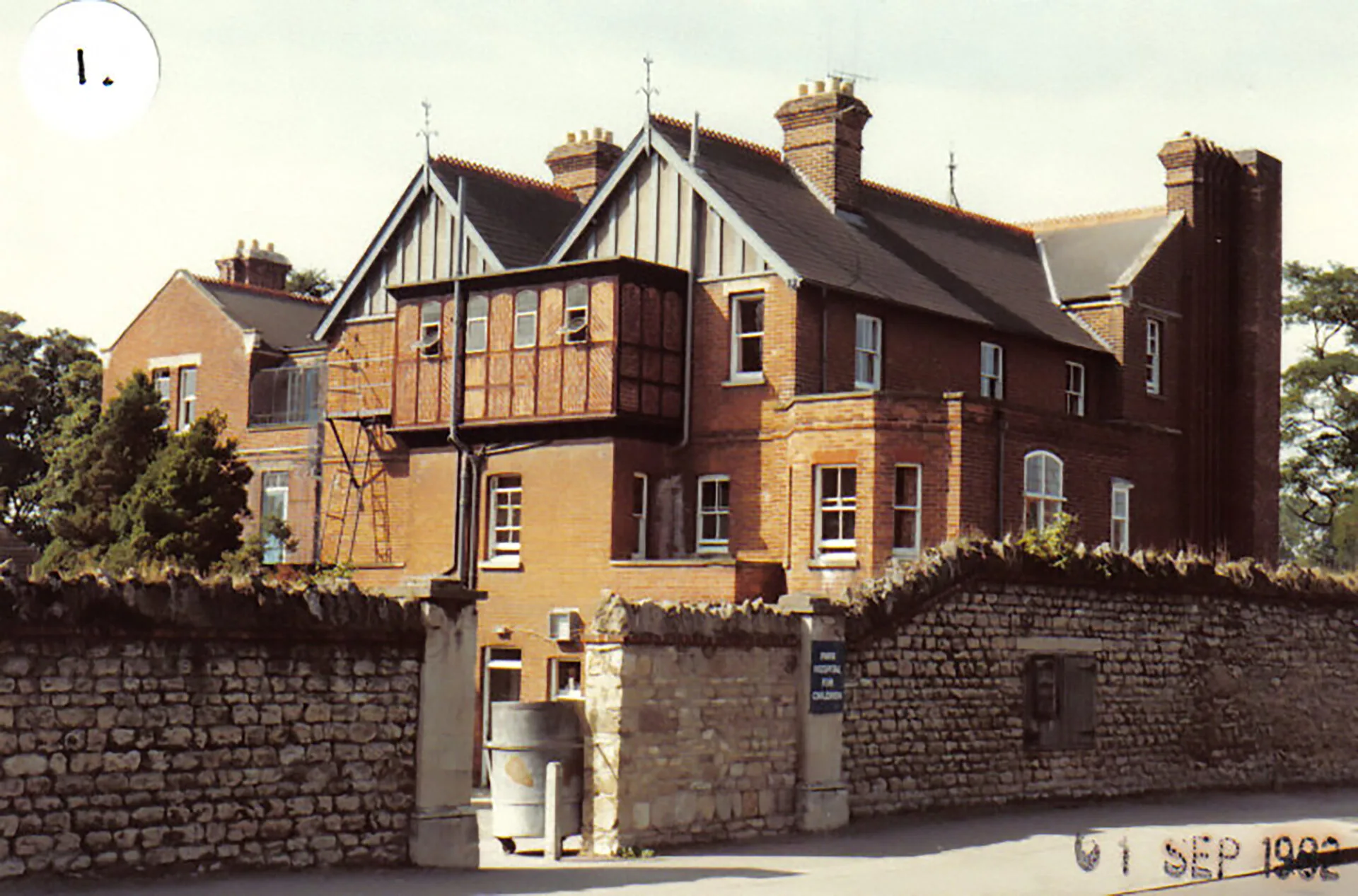
Until World War I, people in Britain received mental health care in large mental hospitals. After the war, things began to change. The Maudsley Hospital opened in London in 1922 as Britain’s first academic psychiatric hospital. Child guidance clinics were created, and new ‘early treatment’ units appeared, including the Park Hospital in 1938.
From around 1955, the number of patients living full-time in big hospitals slowly dropped. Support for students with mental health problems began in the early 1950s.
Services for children and teenagers grew too, and in 1958 the Park Hospital became a children’s psychiatric unit.
Later, more services for older adults were added, and out-patient services started to expand. Specialist teams also developed, such as the Barnes Unit at the John Radcliffe Hospital, and an eating-disorders service.
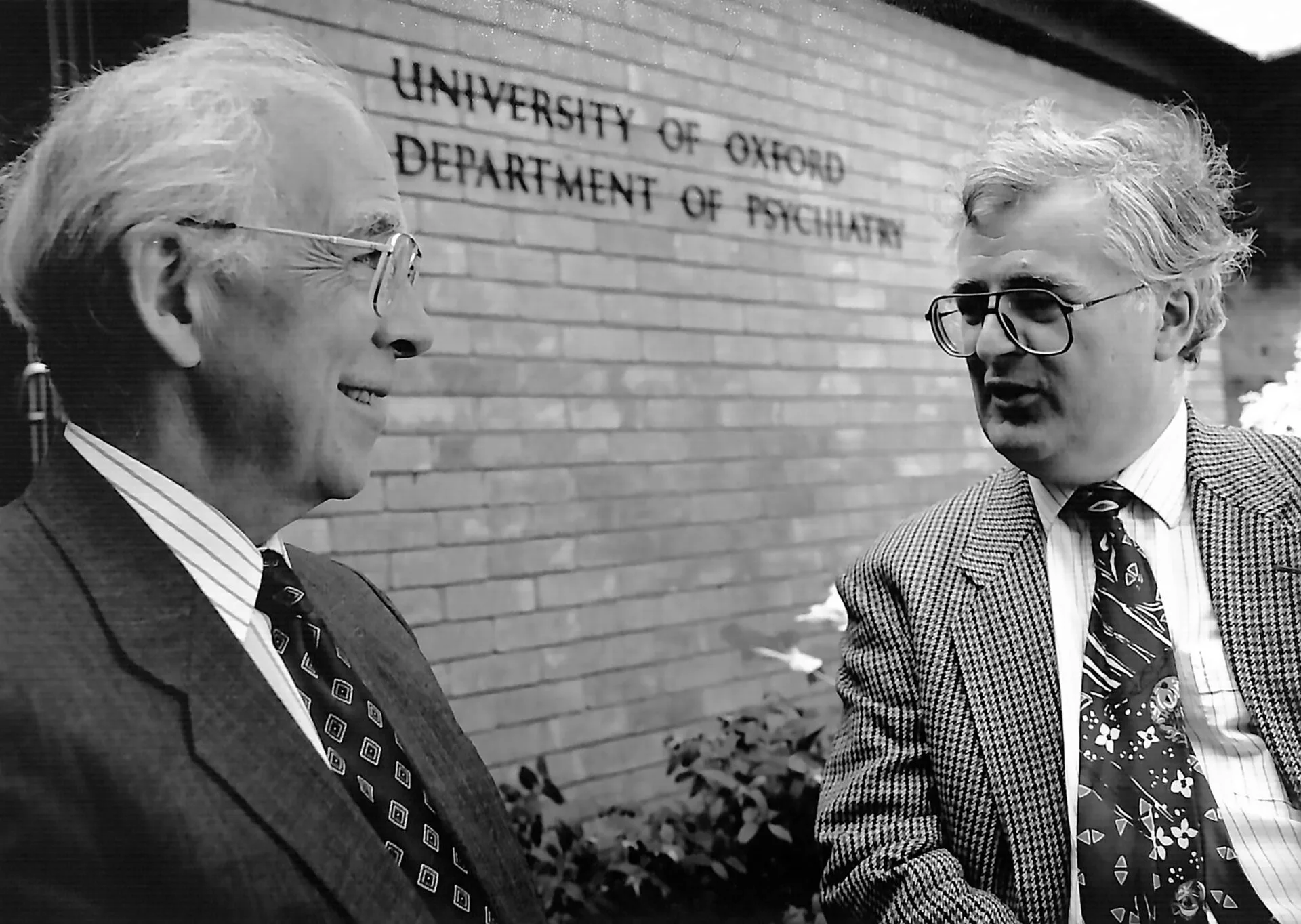
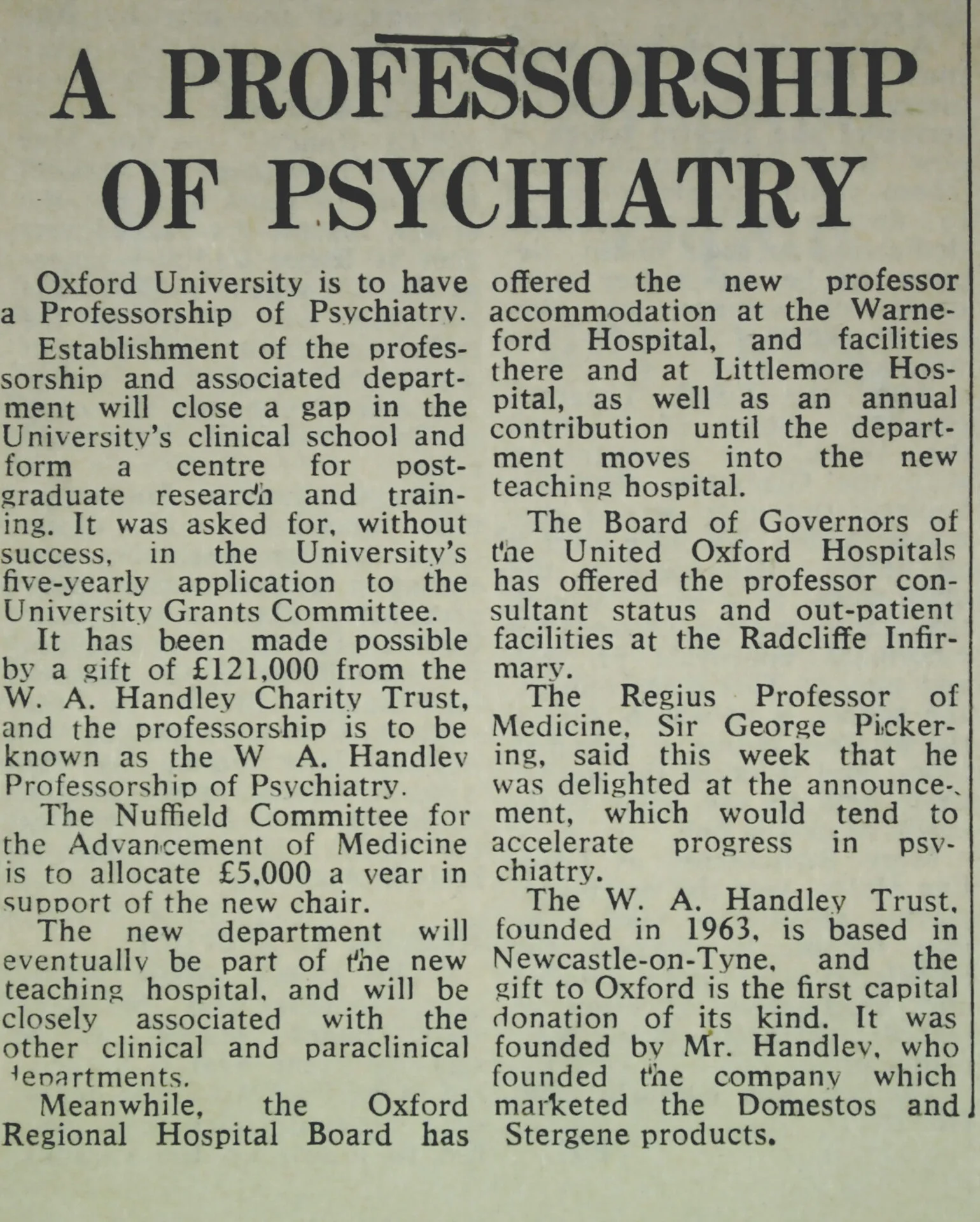
In 1969, Michael Gelder became Oxford’s first professor of psychiatry.
Today, the Department of Psychiatry at the Warneford is one of the largest mental health research centres in Britain. It also trains medical students, psychiatrists, and clinical psychologists, and its Oxford Textbooks of Psychiatry are known worldwide.
![Chlorpromazine (known as Largactil), the first widely used antipsychotic, introduced in the 1950s. [Science Museum Group Collection, © The Board of Trustees of the Science Museum]](https://warneford200.co.uk/wp-content/uploads/2026/01/B8-largactil_1986_1248_0528.webp)