National Context 1: England in the Early Nineteenth Century
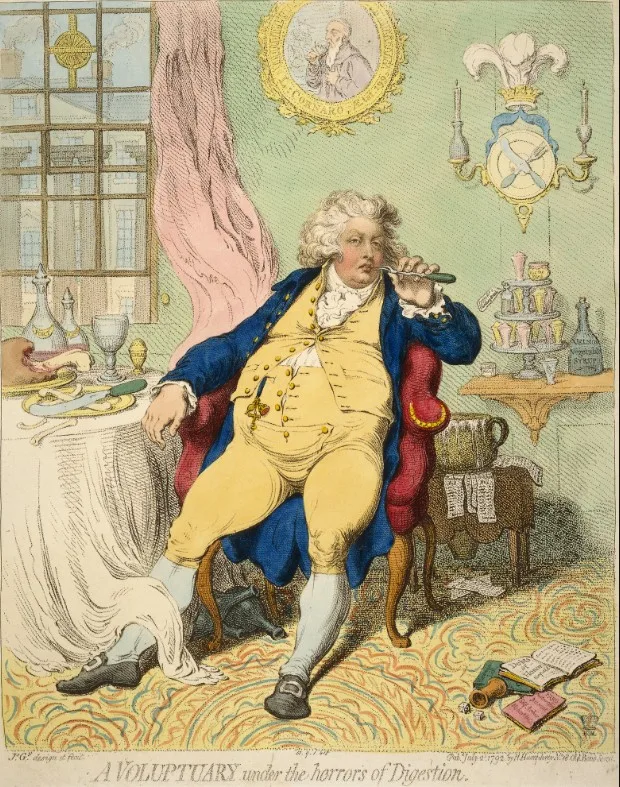
It is a common misconception that the Warneford was founded during the Victorian era. Planning the asylum began in 1812, during the last years of George III’s reign, by which time the King himself was suffering from insanity. His son acted as Prince Regent from 1811 until becoming King George IV in 1820. George IV and his father were polar opposites; while George III was abstemious and a devoted husband, George IV had a reputation for extravagance, gluttony and womanising. He was not popular. When the Warneford admitted its first patients in 1826, Victoria was still 11 years away from acceding the throne.
So, what was England like during this early part of the nineteenth century? In 1812 England was still waging a costly war with France. The Napoleonic Wars ended in 1815, with the Battle of Waterloo, leaving the Tory government in serious debt. The population of England was growing rapidly; in 1819 it stood at 11 million and by 1824 this figure had grown to 13 million. English society was divided by class, with a growing middle class of business owners, bankers, clerks, managers and merchants that was quite distinct from the land-owning aristocracy and the working class of agricultural and industrial labourers. These class divisions were sensitively portrayed by Jane Austen, whose novel Pride and Prejudice was published in 1813. Middle-class values emphasised hard work, perseverance, thrift, prudence and self-reliance.


Despite the mushrooming of mills and factories in the north of England associated with the Industrial Revolution, much of the rest of the country remained primarily rural in the early nineteenth century. The economy of Oxfordshire was based on agriculture and would remain so until the early twentieth century. The local population here was more concerned with enclosure of common land by individual landowners, depriving many of their livelihoods, than by the low pay and squalid conditions of the factories. Land enclosure in Otmoor, for example, sparked riots at Oxford’s St Giles Fair in 1830.
Social pressures caused by industrialisation and the introduction of agricultural machinery were exacerbated by high food prices, leading to riots in both the towns and countryside. Expressions of popular discontent, whipped up by a growing and increasingly radical press, were severely dealt with. Political tensions were partially relieved by reforms to the electoral system and a fall in the price of bread, but social conditions for the poor remained grim, highlighted in the novels of Charles Dickens, such as Nicholas Nickleby published in 1838/9. [Image 4 – rural poverty]
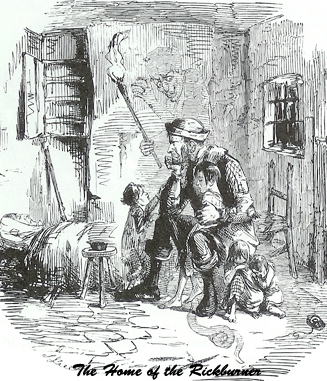
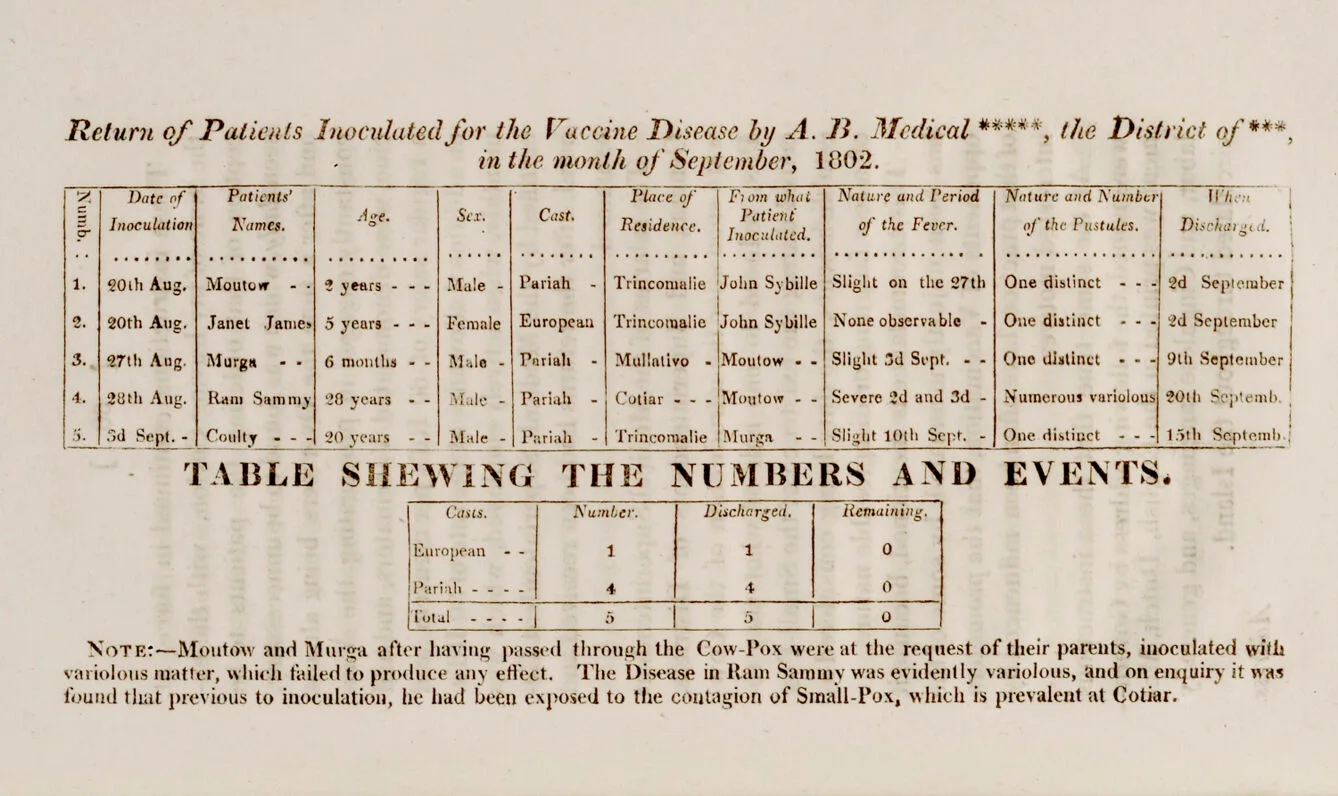
In England’s towns and cities, housing for the poor was often damp, overcrowded and unsanitary. Rural poverty, due to the seasonal nature of much of the work, was widespread, although less talked about than conditions in urban areas. For the unemployed, the parish workhouse offered relief, but the new system introduced by Poor Law Amendment Act of 1834 deliberately discouraged all but the most destitute from seeking support. The new workhouses were described by a contemporary as “abodes of misery, depravity and filth”. Diseases such as dysentery, diarrhoea, diphtheria, tuberculosis, whooping cough, scarlet fever, measles and enteric fever were common both inside and outside the workhouse. Smallpox declined, thanks to the introduction of a vaccination against the disease in 1796.
Concern for the more vulnerable members of society was accompanied by a growing trend for philanthropy among the more fortunate. Hospitals, founded as charities and relying on the generosity of benefactors, had emerged in the eighteenth century. The Radcliffe Infirmary in Oxford opened in 1770, following a £4,000 bequest by John Radcliffe for the founding of a hospital in Oxford. It was the governors of the Radcliffe Infirmary who met in 1812 “to appoint a committee for the purposes of procuring information on the practicability of erecting a Lunatic Asylum in the neighbourhood of Oxford”. The committee appointed by the governors was composed almost entirely of members of Oxford University, as was the asylum’s first management committee.
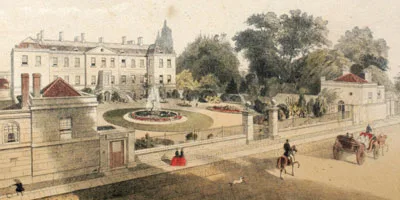
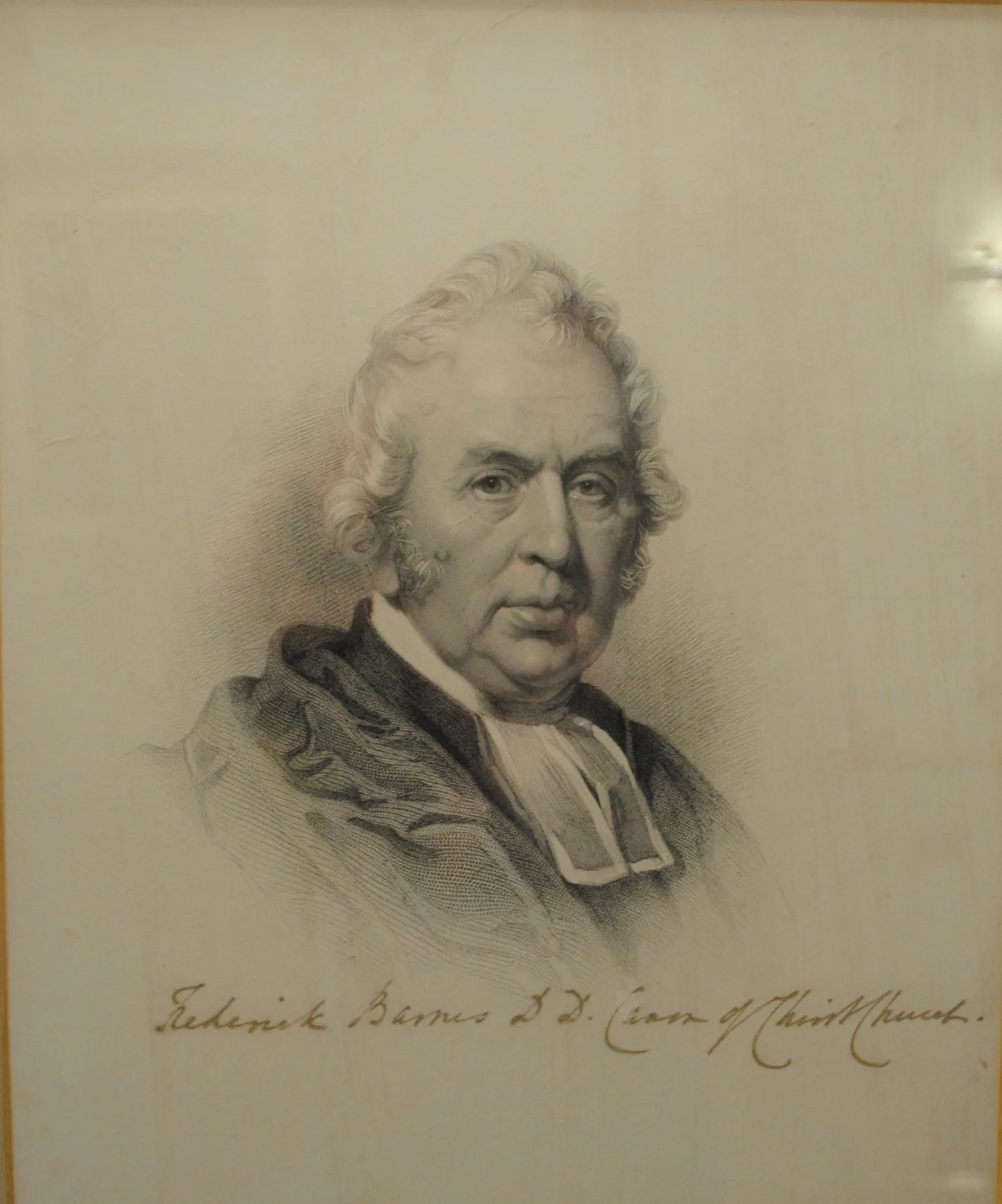
The resulting Radcliffe (later the Warneford) Asylum was funded in a similar way to the hospitals. Charitable donations provided the initial capital, and subscriptions funded the upkeep of the grounds and buildings. Over a third of the capital required to build the Warneford (£20,000) was provided by the University colleges. The University at this time was closely tied to the Church of England; the fellows of most of the colleges were expected to be ordained. The majority of committee members who oversaw the management of the asylum after it opened in 1826 were therefore clergymen, including the Rev. Dr. Bridges (President of Corpus Christi College); the Rev. Dr. Barnes (Canon of Christ Church); the Rev. Dr. Johnson (Magdalen College) and the Rev. Dr. Vaughan Thomas (Corpus Christi College). These links between the University and the Warneford, established from the outset, would last well into the twentieth century, with fellows of colleges continuing to be members of the management committee.
In terms of early nineteenth-century medical care, there was no unified single medical profession at that time. Care was provided by three medical ‘orders’: physicians, surgeons and apothecaries. The physicians were the most prestigious, Fellows of the Royal College of Physicians of London, and typically graduates in medicine at either Oxford or Cambridge University, although qualification required formal medical knowledge rather than any demonstrated clinical skill! The far more numerous apothecaries trained through an apprenticeship system and had to obtain a Licence from the Society of Apothecaries. If an apothecary worked in a hospital they practised under the direction of a physician. This was the case at the Warneford where the first medical superintendent, Frederick Wintle, was a qualified apothecary whose medical practice was overseen by Dr. James Adey Ogle, MD, Aldrichian Professor of Medicine and one of the physicians at the Radcliffe Infirmary.
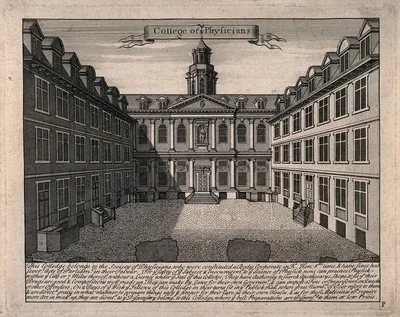
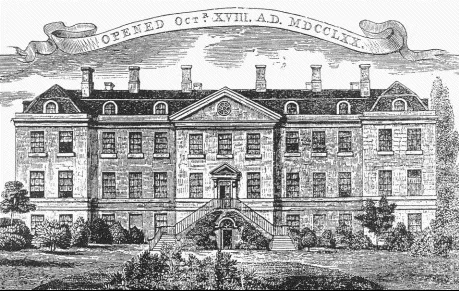
Like the Radcliffe Infirmary, the Warneford was designed for the less affluent middle classes, rather than the poorest members of society. It was for those who could not afford to pay the high fees of a private asylum, but who could pay something towards their care, such as members of the clergy, officers of the army and navy, tradesmen, artisans, teachers and members of the University – the “genteel poor” of Jane Austen’s novels. Oxford’s poorest “lunatics” would have to wait until 1846, when a public asylum for “paupers” was established at Littlemore, on the outskirts of the city.

Dr Jane Freebody has a PhD in the History of Medicine, specialising in the history of psychiatry, and has taught history and the history of medicine at Oxford Brookes University. Jane has drawn on skills developed earlier in her career in event management and fundraising, as well as on her more recent research experience, to plan, research and secure funding for the Warneford 200 project. Jane continues to advise on the project and to contribute ongoing research.
