28. The Warneford 200 Therapy Garden
The Warneford 200 Therapy Garden has been created by staff, service-users, patients and community groups, who have contributed to the design, build and on-going maintenance of the garden.
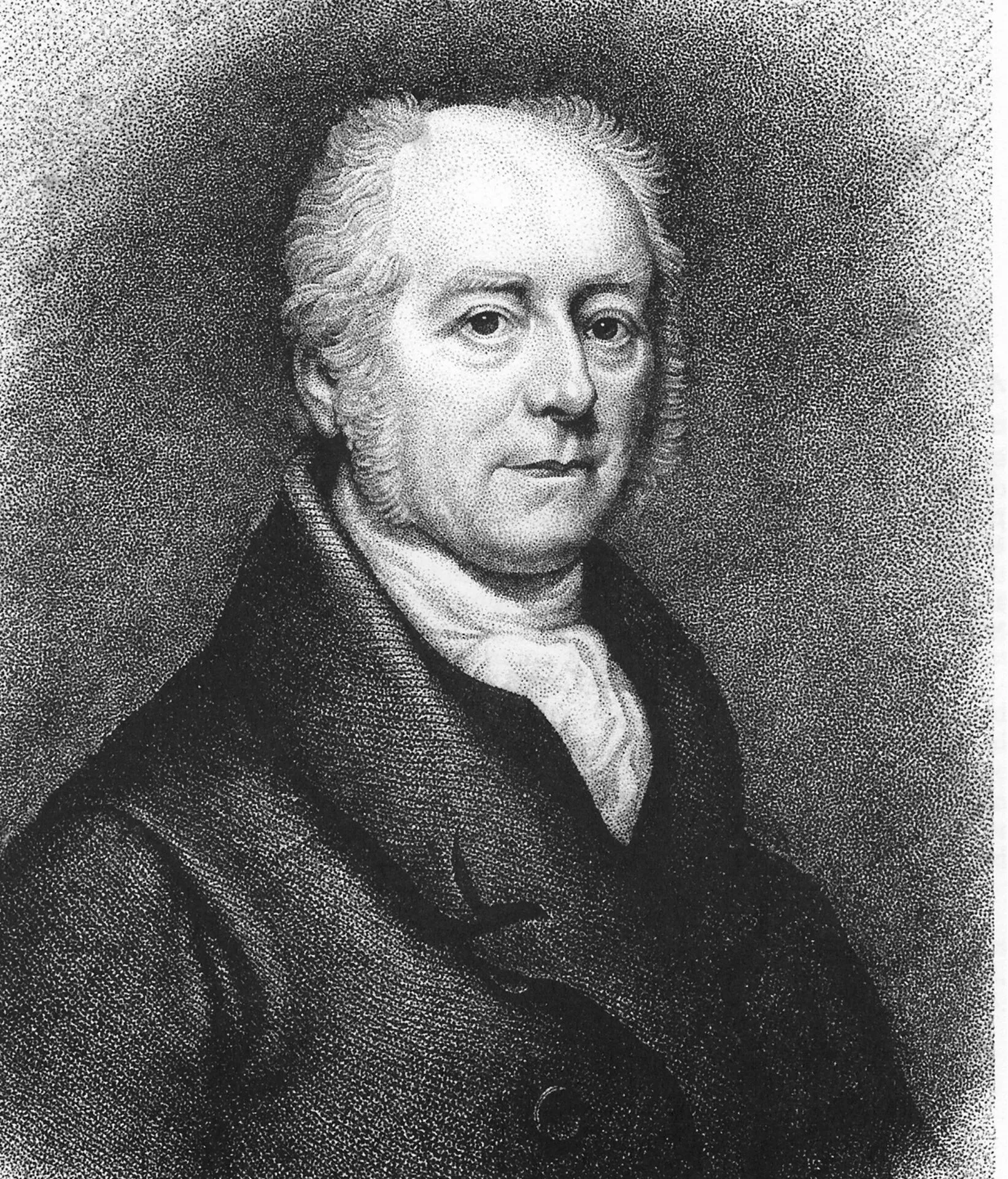
The garden is a walk-through space, inspired by aspects of the Warneford’s history over the past 200 years. The Reverend Dr Vaughan Thomas, Chairman of the first committee of management, was heavily involved in the design of the original grounds and gardens. He aimed to recreate the gardens of Versailles, with shaded walkways and ornamental features. Tree species have been selected to reflect his vision, with a series of tree planters creating a tree walkway. Hornbeam and Hawthorn, which were both mentioned in the historical archives, have been incorporated within the planters.
The garden also reflects the existence of a working farm and market garden at the Warneford. Seven large metal planters have been created using pig arcs, semicircular shelters designed for agricultural livestock. Each of the Warneford wards have contributed to the design and planting of the large planters, with each one creating a mini garden drawing on themes from the archives, enhanced and shaped by current service-users, who have added their favourite plants, or those that have particular significance to them.
Funding for the garden has been provided by the Gardens Trust, the Stanley Smith (UK) Horticultural Trust and the Pye Trust, as well as the National Lottery Heritage Fund and Oxford Health NHS Foundation Trust.
Image: Photograph of the archway entrance to the garden
Description for this block. Use this space for describing your block. Any text will do. Description for this block. You can use this space for describing your block.
1. Formal Gardens
Created with service users on Allen Ward.
Service users on Allen Ward selected a formal theme for their planter with topiary, ornamental shrubs, flowers and herbs.
The planter incorporates traditional white, pinks and purples, but includes splashes of orange, in the form of Geums and Tulips, as requested by Allen Ward patients.
Ilex crenata was selected for the topiary cones as a service user expressed her love of Holly (Ilex), and Salix integra ‘Hakuro-nishiki’ was incorporated as lollipop topiary because they were another patient’s favourite.
An Allen Ward participant enjoyed observing a pair of Jays living in and around the allotment polytunnel, this increased her connection with nature and were noted as a positive symbol for adaptability and change.
Image: photo of Allen Ward planter
Description for this block. Use this space for describing your block. Any text will do. Description for this block. You can use this space for describing your block.
2. Market Garden
Created with service users on Vaughan Thomas Ward.
The planter adopted by the Vaughan Thomas Ward focuses on edible plants, including garlic, broad beans and kale. The crops will be harvested and replaced with different seasonal vegetables throughout the year.
Service-users and staff from the Vaughan Thomas Ward play an active role in the Warneford allotment, which they regard as important to their recovery. Potatoes, onions, beans, peas and broccoli amongst many companion plants and ornamental flowers have been grown. The produce grown at the allotment is used on the wards for cooking, mostly curries and cakes!
Image: photo of VT Ward planter
Description for this block. Use this space for describing your block. Any text will do. Description for this block. You can use this space for describing your block.
3. Formal Gardens
Created with service users on Wintle Ward.
The Wintle ward planter reflects the planting in the inpatient ward garden, arguably the nicest ward garden on the site! The Wintle ward planter features topiary, three large Buxus balls which reflect the topiary at Versailles. The service users selected blue Hibiscus to take centre stage as this was a service user’s firm favourite in the ward garden during the planning phase. They have also included perennials for a floral display from Spring through to late Autumn, these include Asters, Forget-me-nots, Salvia and Lavender as well as Spring bulbs Alliums, Tulips and Narcissus.
Image: photo of Wintle Ward planter
Description for this block. Use this space for describing your block. Any text will do. Description for this block. You can use this space for describing your block.
4. The Orchard
Created with service users at Cotswold House
Cotswold House chose the orchard planter theme for their planter and developed the idea to incorporate a range of soft fruits, including gooseberries, raspberries and currants as well as fruit trees.
A service user from Cotswold House and her family found solace at the Warneford allotment, particularly connecting with the strawberry patch and other soft fruits which became part of their recovery programme.
Service users at Cotswold House bonded and Rosemary became a focus and a symbol of their shared recovery journey. Rosemary is often referred to as the Herb of Remembrance.
Image: photo of Cotswold House planter
Description for this block. Use this space for describing your block. Any text will do. Description for this block. You can use this space for describing your block.
5. Exotics
Created with service users at the Highfield & Meadow Unit.
The plant hunting era was in full swing in the early nineteenth century when the Warneford Hospital was first built. Plants with architectural foliage from around the world have been selected as well as plants identified from archive photographs.
The banana tree has caused excitement from staff and service users alike, one service user in particular was pleased to recall the trees growing wild when she was young. Trees often provide us with spiritual and cultural significance and can provide an important sense of place and belonging as well as evoking memories and grounding us in the past and present.
Image: photo of H&M Unit planter
Description for this block. Use this space for describing your block. Any text will do. Description for this block. You can use this space for describing your block.
6. Medicinal Plants
Created with staff from NIHR (Clinical Research Facility).
The team at the NIHR chose to create a planter featuring plants which show promising medicinal properties. The NIHR team were already creating a herb rich garden for their service users and staff on site and provide a list of plants with medicinal properties some of which feature in their Warneford 200 planter, such as Agastache which is thought to have ‘valuable volatile compounds’ with several papers published in the National Library of Medicine. The ward also requested to grow functional mushrooms to reflect the significance of medicinal mushrooms to their research. We hope that the feature log will grow shiitake mushrooms following the setting of mycelium pegs along its length. The team also planted Narcisscus as trials into the plants’ potential to contribute towards the treatment of Alzheimers due to the presence of the compound Galantamine.
Image: photo of NIHR planter
Description for this block. Use this space for describing your block. Any text will do. Description for this block. You can use this space for describing your block.
7. The Future of Green & Blue Infrastructure
Created with students from Oxford Recovery College & the community.
The Future of Green & Blue Infrastructure planter has used sand as the growing medium. Plants grown in sand have been found to be more resilient to drought and tough urban conditions and encourage species diversity, which in turn fosters resilience to the effects of extreme weather conditions brought about by climate change. Bare ground and poor compacted soil can also benefit biodiversity by providing ideal habitat conditions for solitary bees which make up over 90% of our 270 bee species in the UK (Royal Botanic Gardens, Kew) They are therefore key pollinators and essential for our ecosystem health. The water rill in the centre of the planter highlights the need for protection and enhancements of our blue infrastructure including reinstating our lost retention ponds as well as caring for and restoring the health of our streams and rivers.
Image: photo of ORC planter
Description for this block. Use this space for describing your block. Any text will do. Description for this block. You can use this space for describing your block.
