Audio Guide
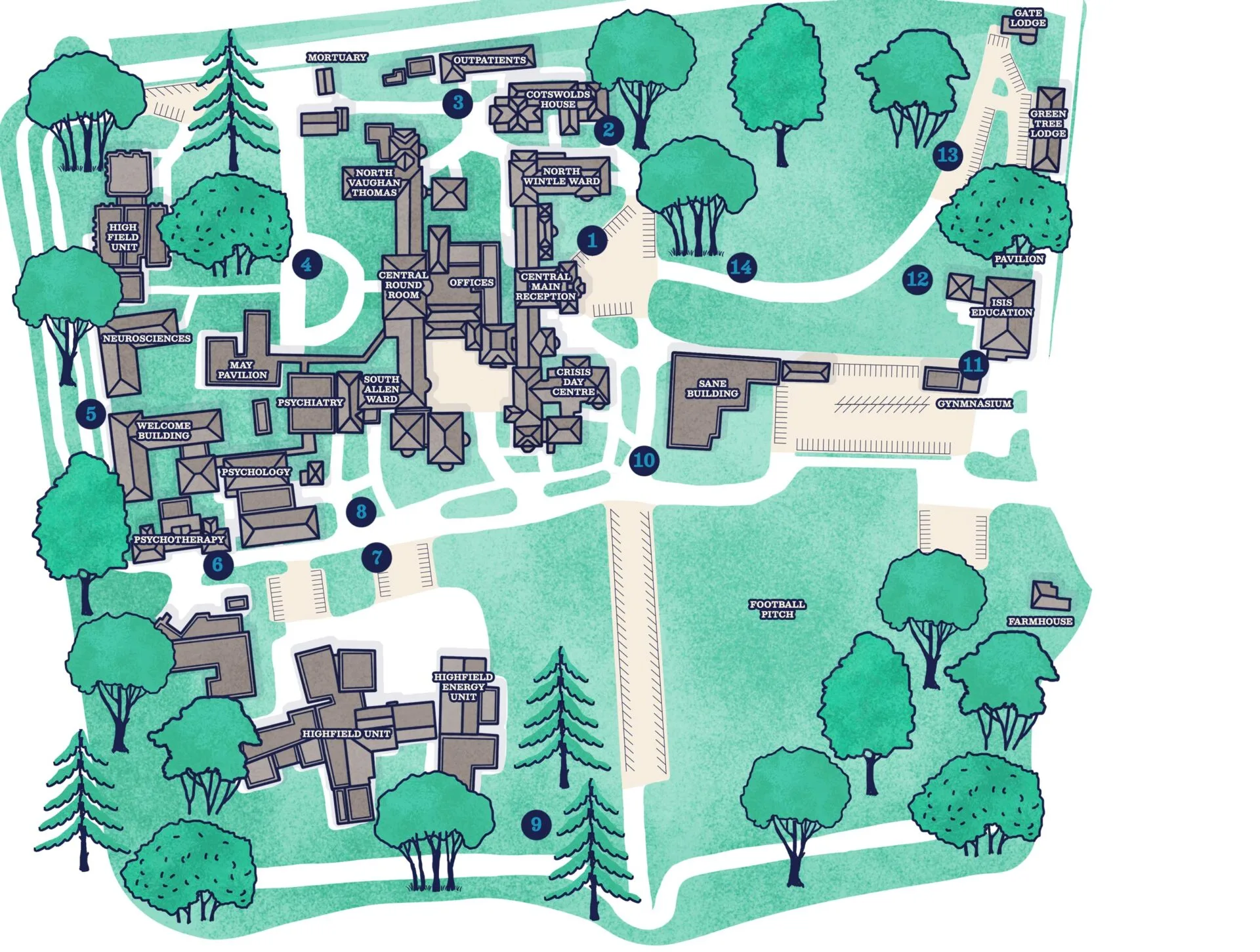
1. Hospital entrance – Statue of Samuel Warneford (just inside main doors)
The marble statue of the Reverend Dr Samuel Wilson Warneford (1763-1855), Rector of Bourton-on-the-Hill in Gloucestershire, dominates the reception area of the Warneford Hospital. It was carved in 1849 by Peter Hollins, a leading Birmingham-based sculptor, and was exhibited at the Royal Academy before being moved to the Warneford. Its prominence acts as a reminder that it was largely thanks to Samuel Warneford that the hospital exists. During his lifetime, Samuel Warneford donated an estimated total of £70,000 to the hospital, a sum that roughly equates to £10 million today.
The Radcliffe Asylum was renamed the Warneford Asylum in 1843 in recognition of his beneficence. Warneford’s statue was originally commissioned to be placed in the Chapel, but it was moved to the newly-built entrance hall of the hospital in 1877.

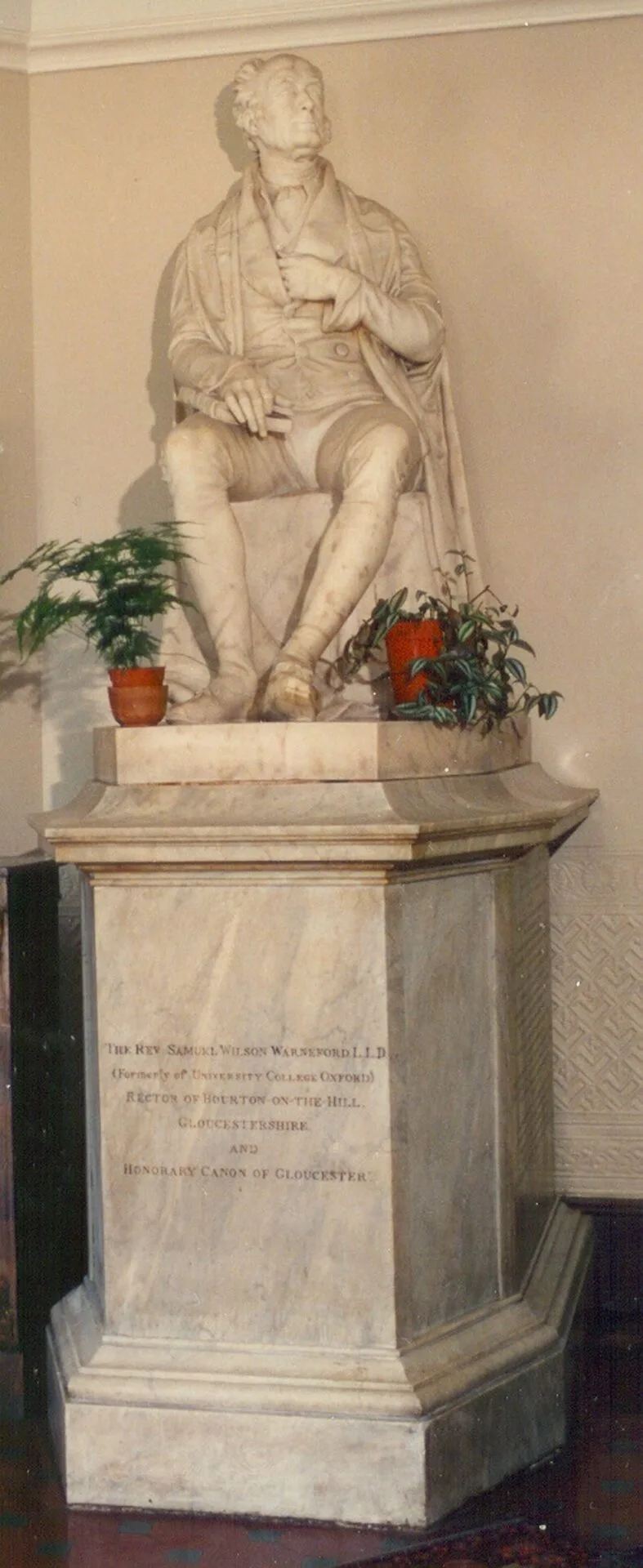
Credit: Oxfordshire History Centre POX0582907
2. The Front of the Hospital building
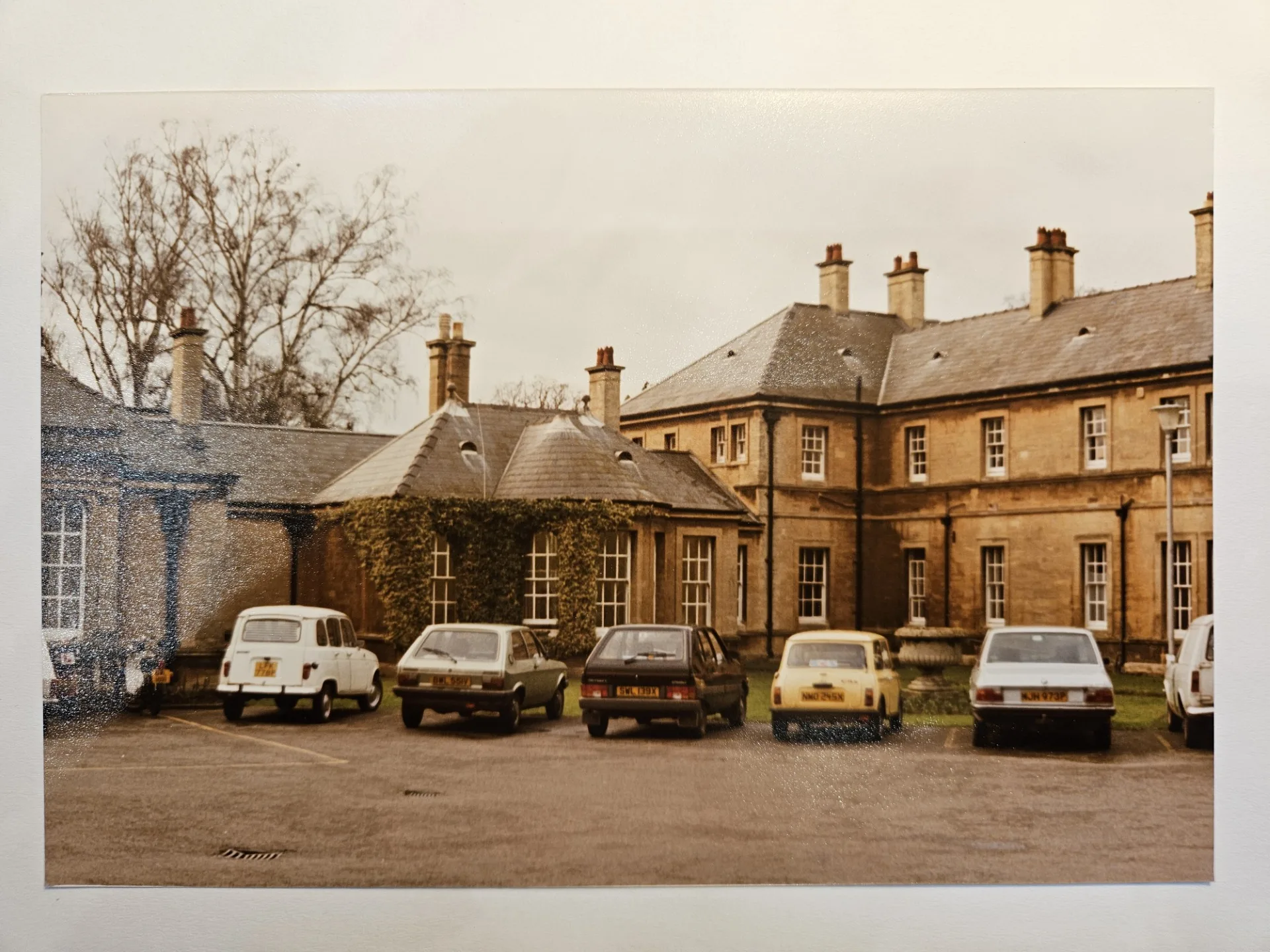
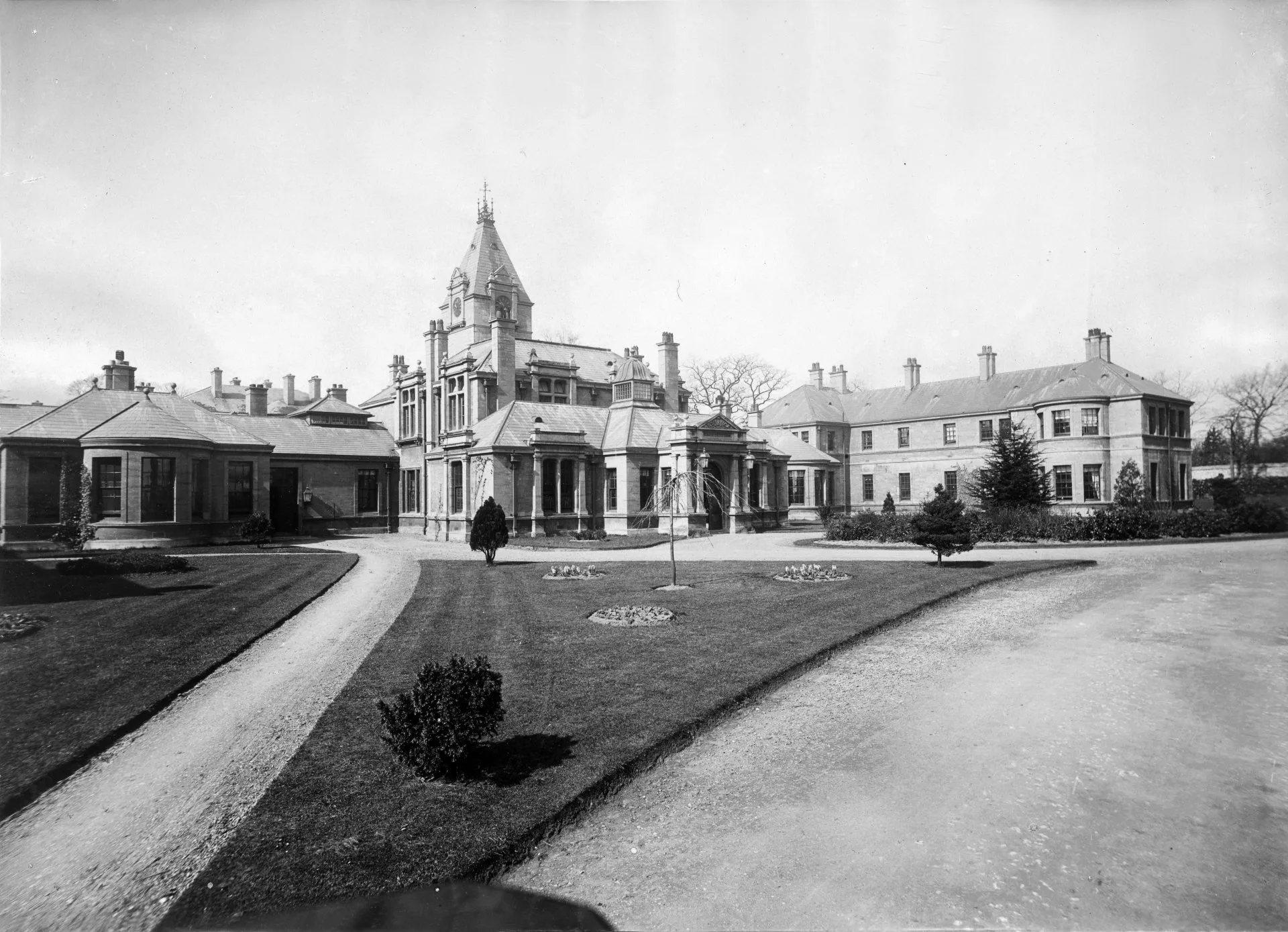
In 1877 the hospital was extended by architects William Wilkinson and Henry Wilkinson Moore, doubling its size, and creating this new front entrance. This is when the original front of the building (created in the 1820s) became the back, involving the creation of a new driveway. The date of the completed extension can be seen on a plaque over the front door, beneath the clocktower.
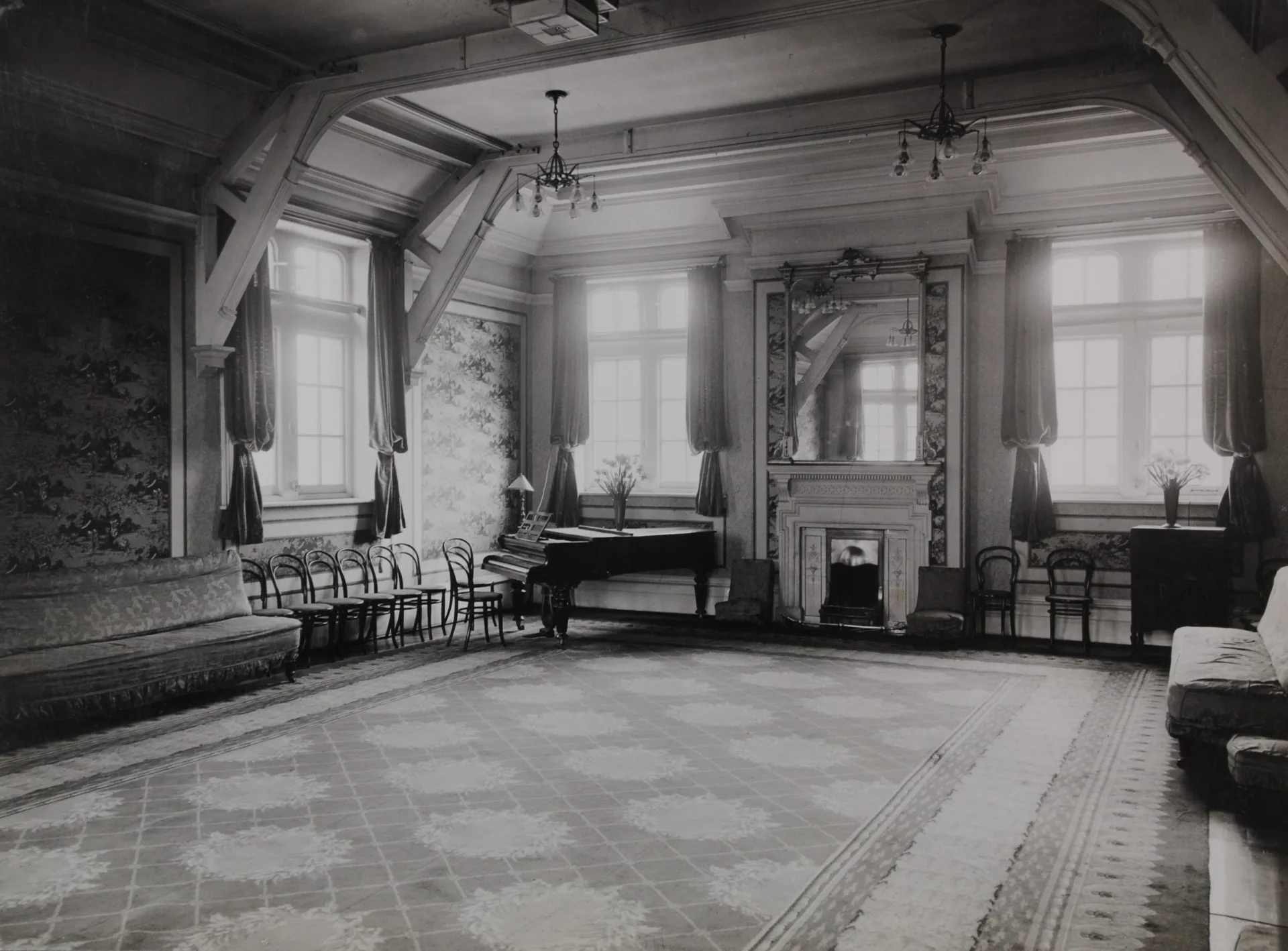
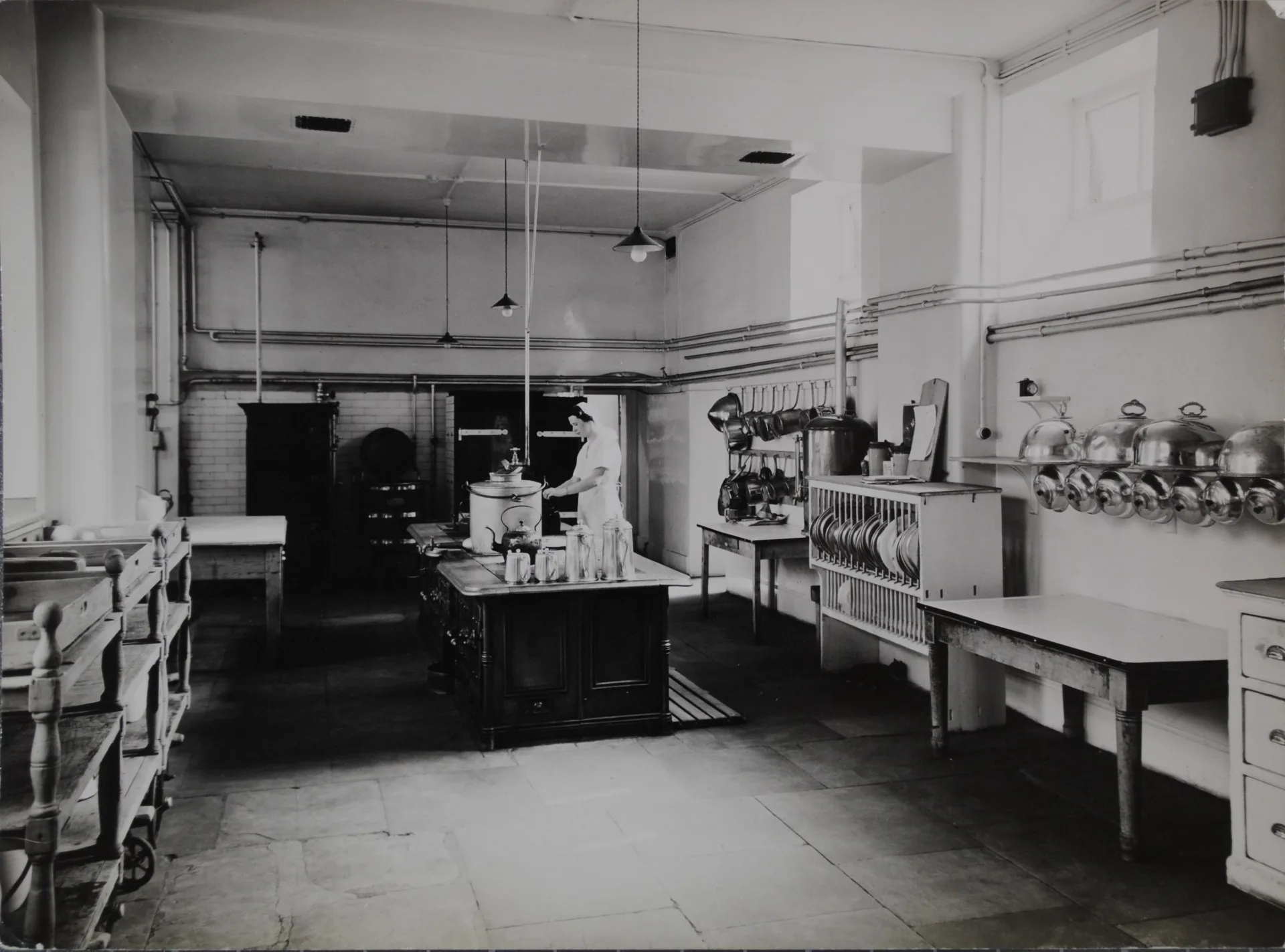
A new entrance hall was created, a large first-floor recreation room and additional wings for women (to the northwest, to the right of the hall) and for men (to the southeast, to the left). The kitchen was extended and additional kitchen ranges installed to cope with the increased number of mouths to be fed.
The number of patients who could be accommodated at the Warneford gradually increased from 40 in 1826 to 100 by 1934, with extensions to the hospital built in 1852, 1877 and 1890, which each added an extra c.20 beds.
3. The driveway / original trees / W200 Therapy Garden
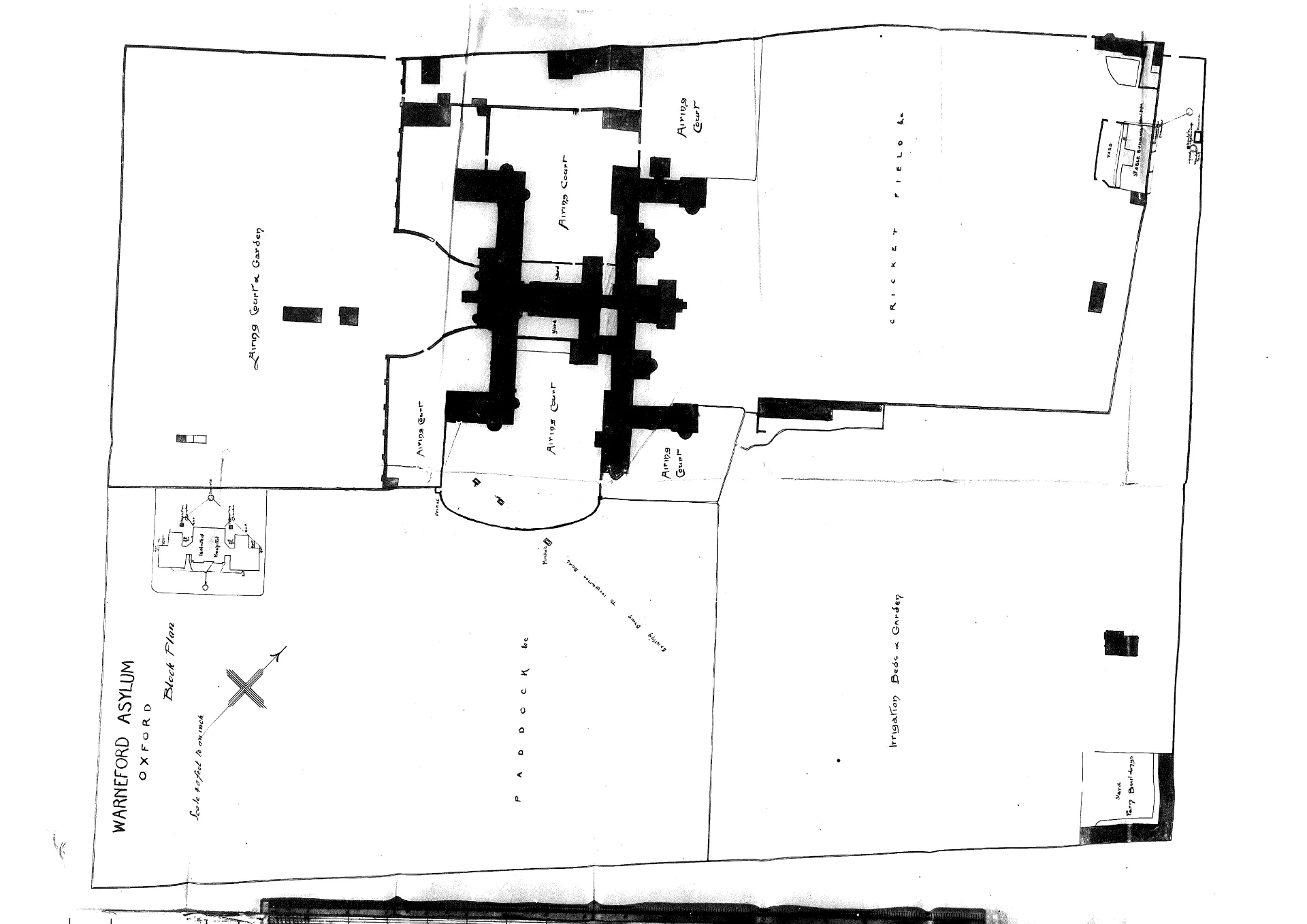
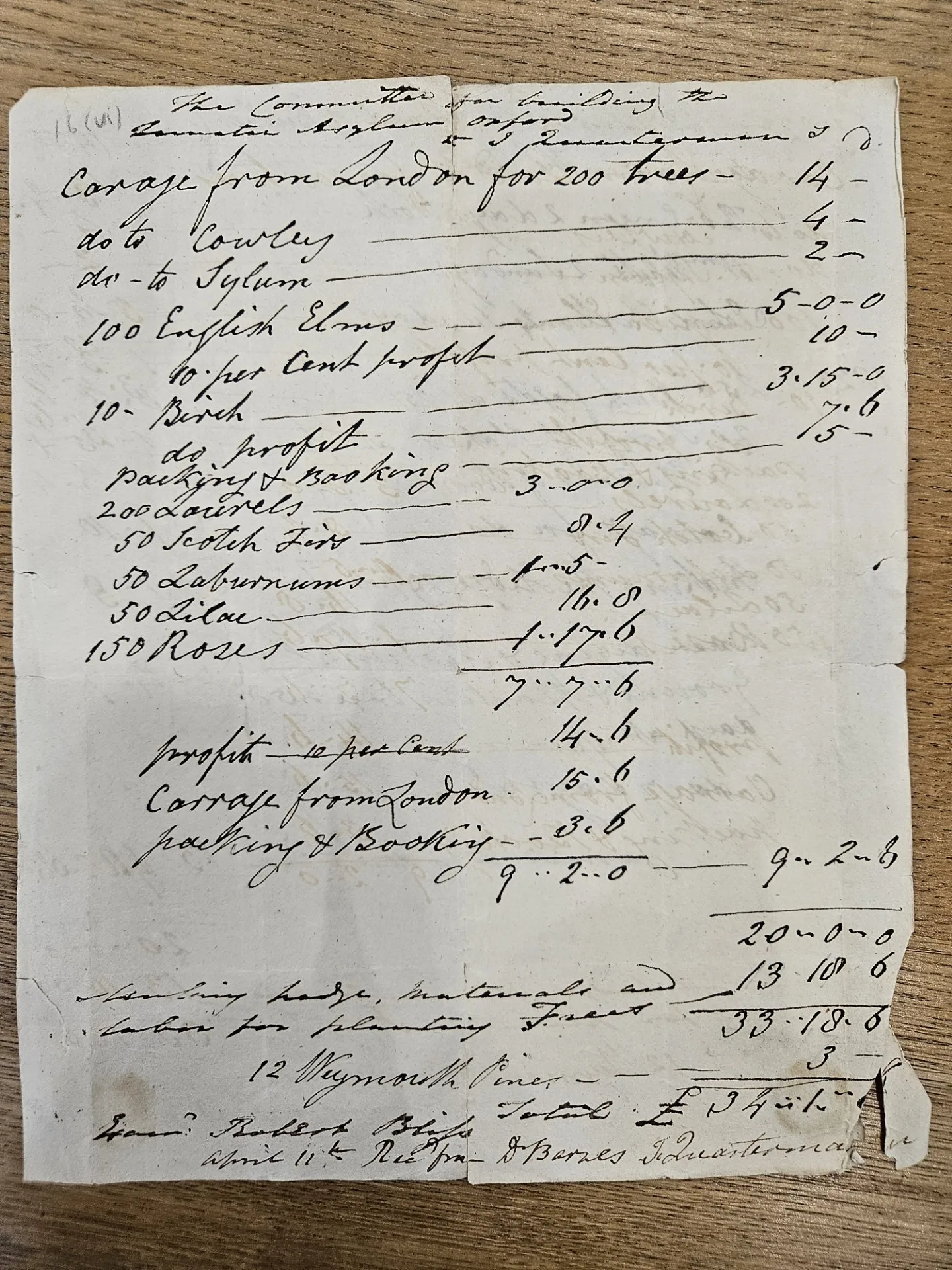
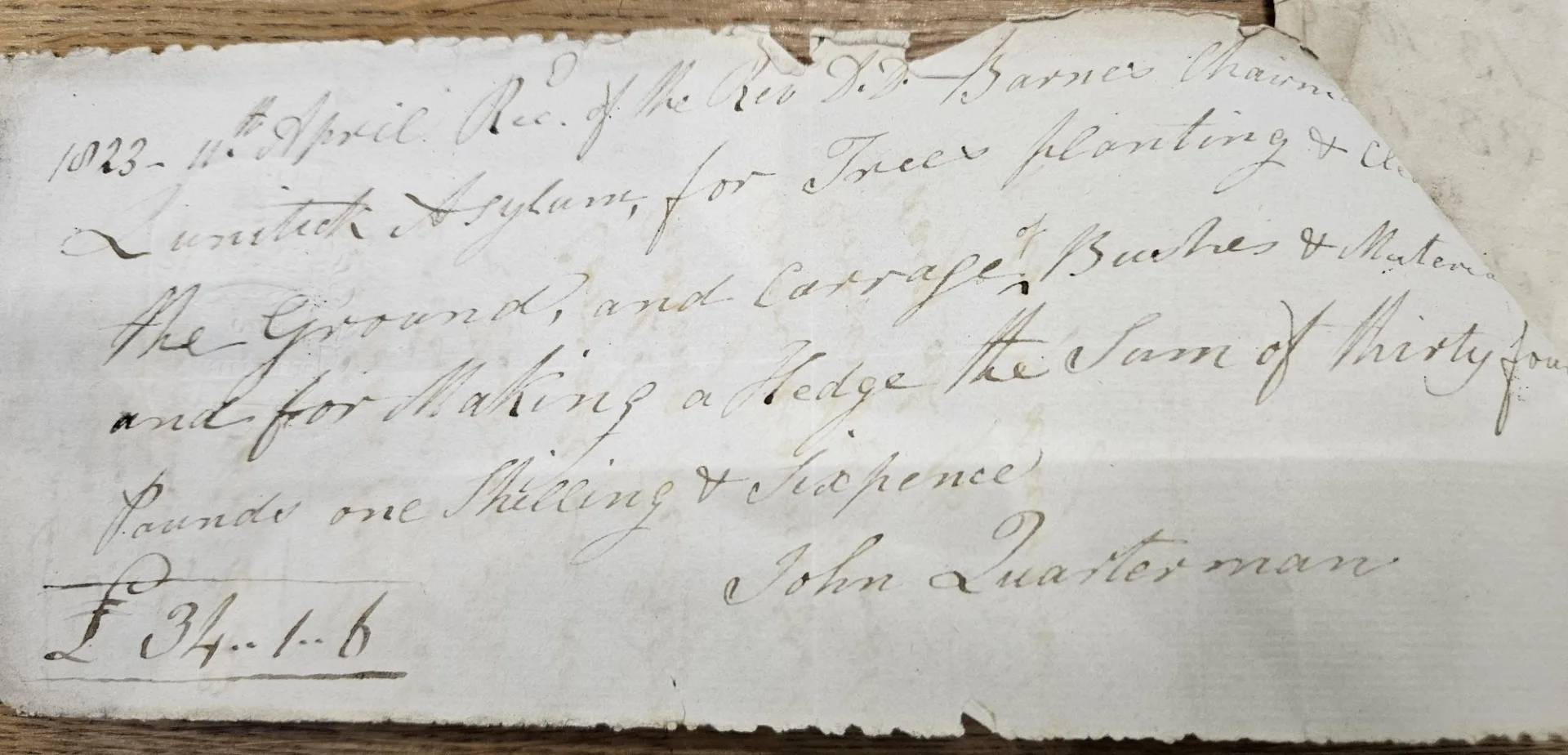
With your back to the hospital entrance, you can see the sweeping driveway and the original trees planted when the hospital was being constructed in 1823 with the specific purpose of “beautifying the grounds”. The front lawn is now hosting the Warneford 200 Therapy Garden, designed by Laura McCarthy, of the Oxford Health Arts Partnership. The garden draws on influences from throughout the hospital’s 200-year history. You will return to the Therapy Garden at the end of the tour.
You can see the original perimeter wall (built in 1832 by Oxford builder Peter Hope) which was designed with patient safety in mind – to keep curious visitors out, rather than to keep patients in. Viewing banks allowed patients to see over the walls, and to enjoy views of the countryside beyond, without being seen by passers-by.
4. Wintle Ward
This female ward was named after Bicester-born Frederick Wintle, the Warneford’s first long-serving Medical Superintendent, in post from 1828 until his early death in 1853. Dr Wintle lived onsite with his wife Jane (formerly Tustin), who was the Matron. They had seven children together at the asylum.
Note the bay windows, allowing plenty of light to enter the ward and a view of the grounds. Providing patients with opportunities to be outside in nature, and to have views of the natural environment from inside the building, was all part of the plan to optimise the therapeutic environment. This was considered of great importance in 1826, just as it is today, two hundred years later.