Audio Guide
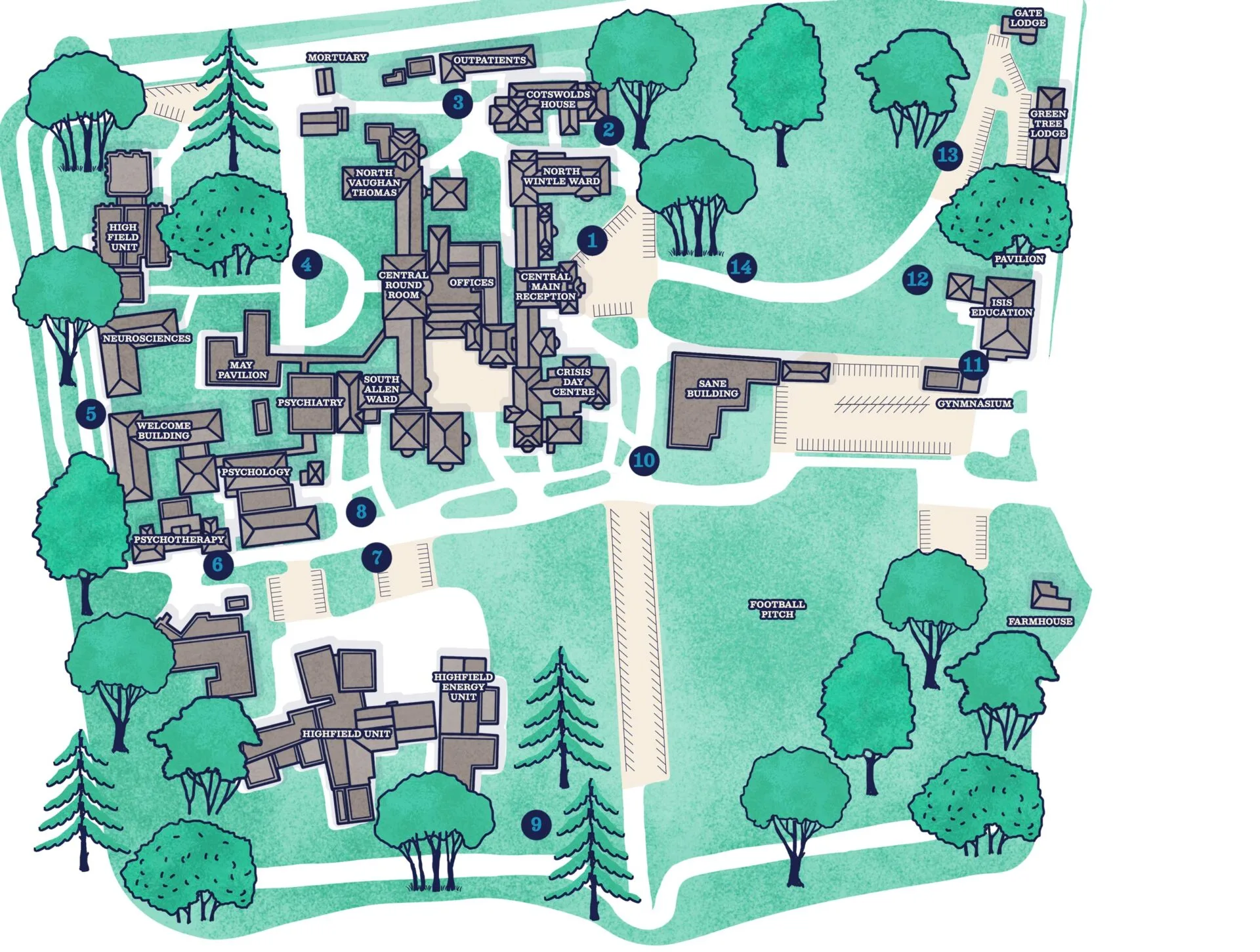
14. The Cottage / former Isolation Hospital
The Cottage is currently used by researchers from Oxford University’s Department of Psychiatry, but the original building, constructed in 1896, served as an isolation hospital.
In 1893 the Isolation Hospitals Act was passed, requiring local authorities to build separate hospitals for the treatment of infectious diseases, such as tuberculosis and smallpox. The Warneford governors decided to build an isolation hospital on the Warneford site in 1896 on land purchased from Southfield Farm. Patients who developed an infectious disease whilst at the Warneford could still be treated on the site, but separated from the other patients thereby helping to prevent the spread of disease.
The Isolation Hospital, designed by the Organ Brothers, looked like a modest Victorian cottage, with two wings which could either be used to house patients of different genders, or according to the disease they were suffering from. By 1952 it became known as “The Gardeners Cottage” and was later used as the Psychotherapy Unit. In 1986, it was extended and became part of Oxford University’s Department of Psychiatry.
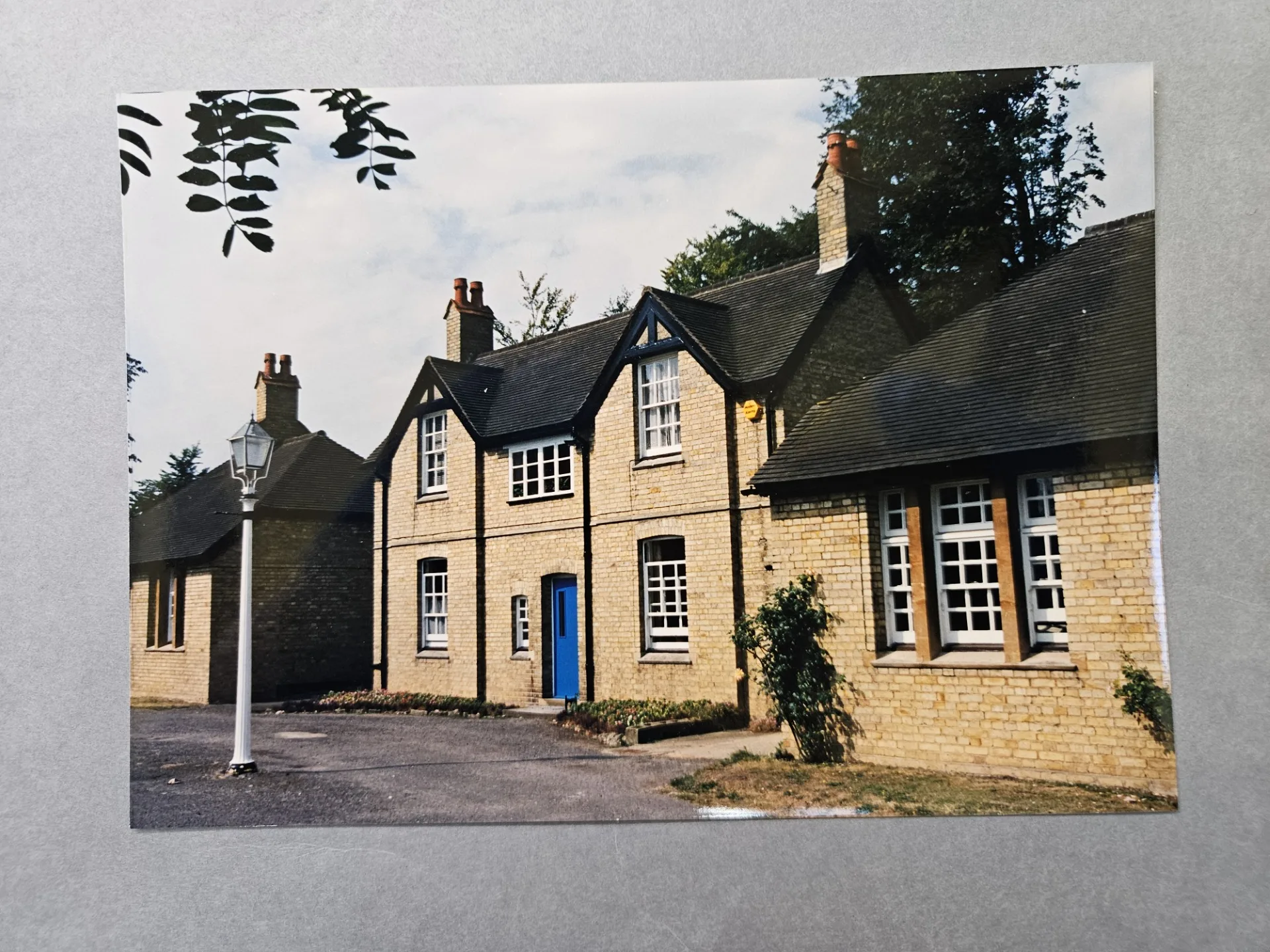
building was initially constructed as an Isolation Hospital in 1896. Credit: Oxfordshire Health Archives OHA W10 A4 1/9
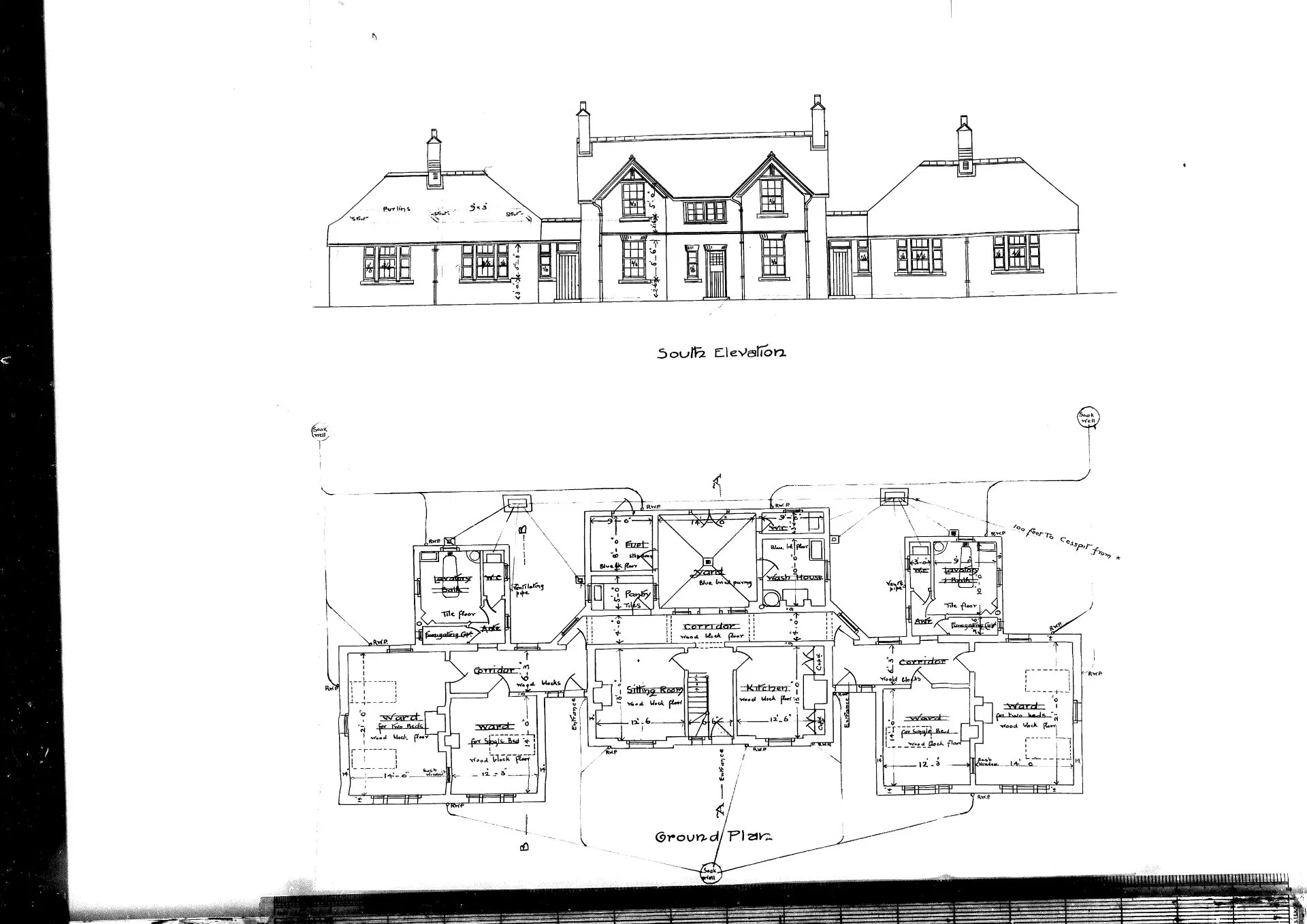
different genders or who were suffering from different diseases. Credit: Oxfordshire History Centre OHC 2743
15. Oxford Centre for Human Brain Activity
The Oxford Centre for Human Brain Activity (OHBA) is part of the Oxford University Centre for Integrative Neuroimaging (OxCIN).
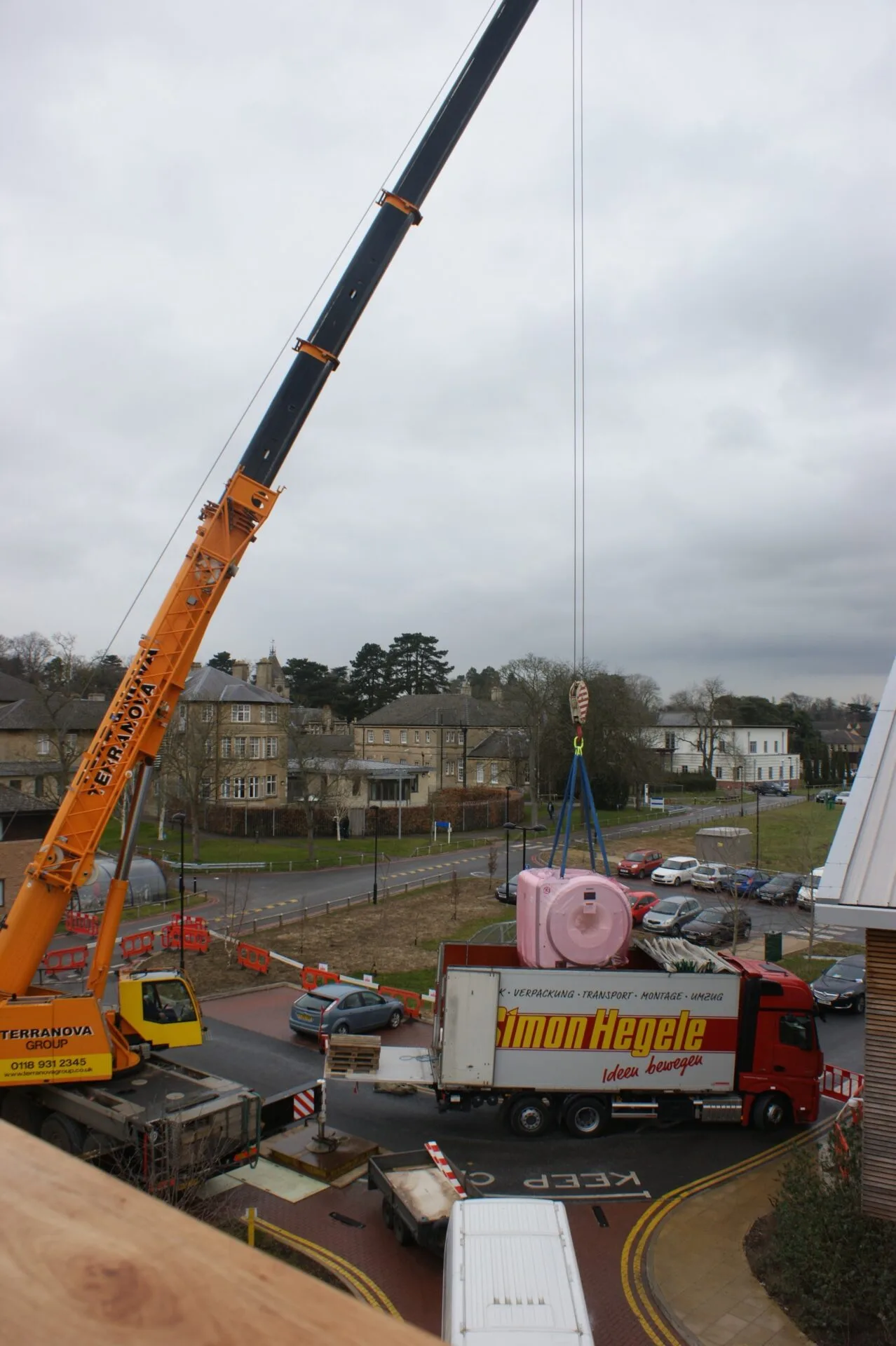
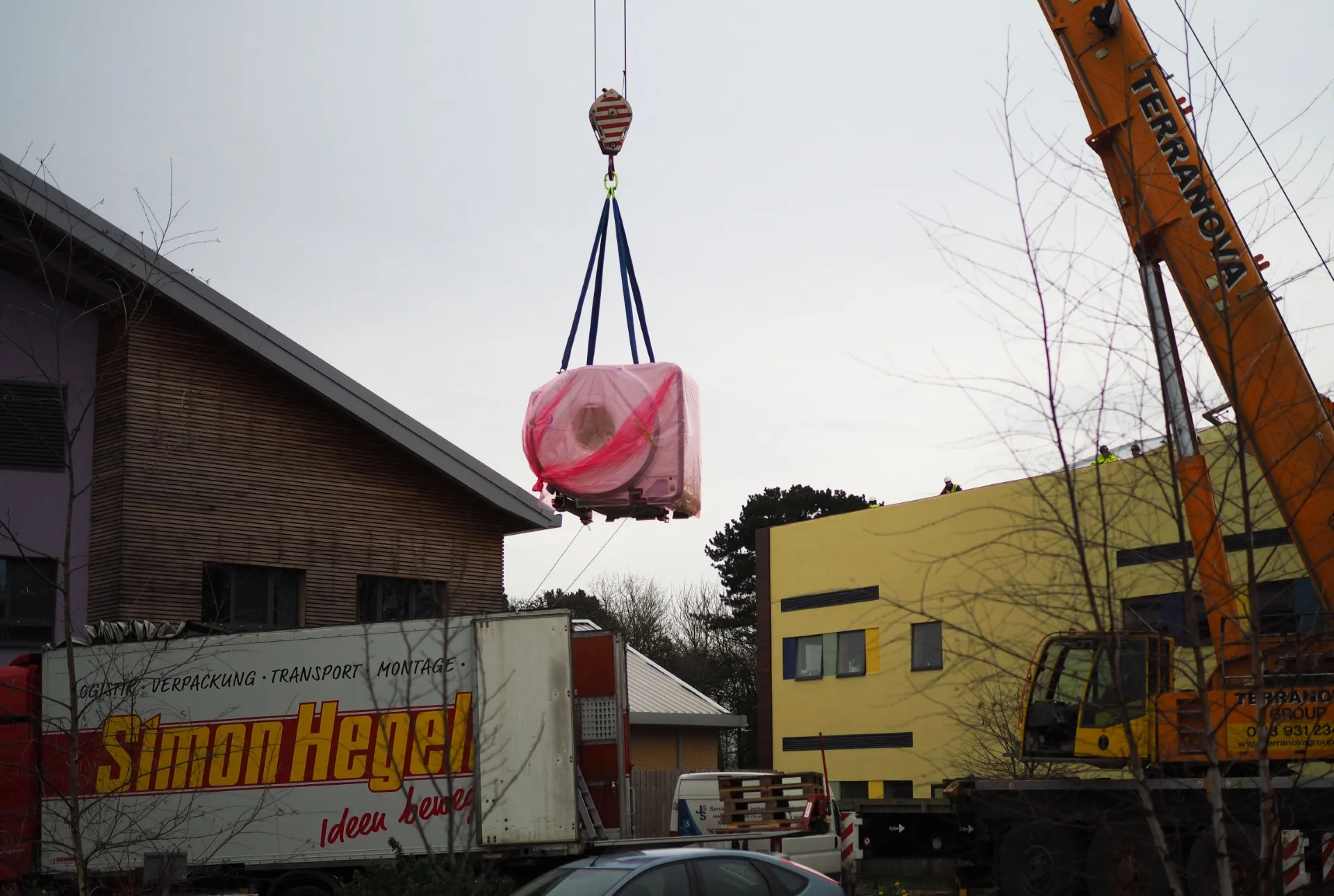
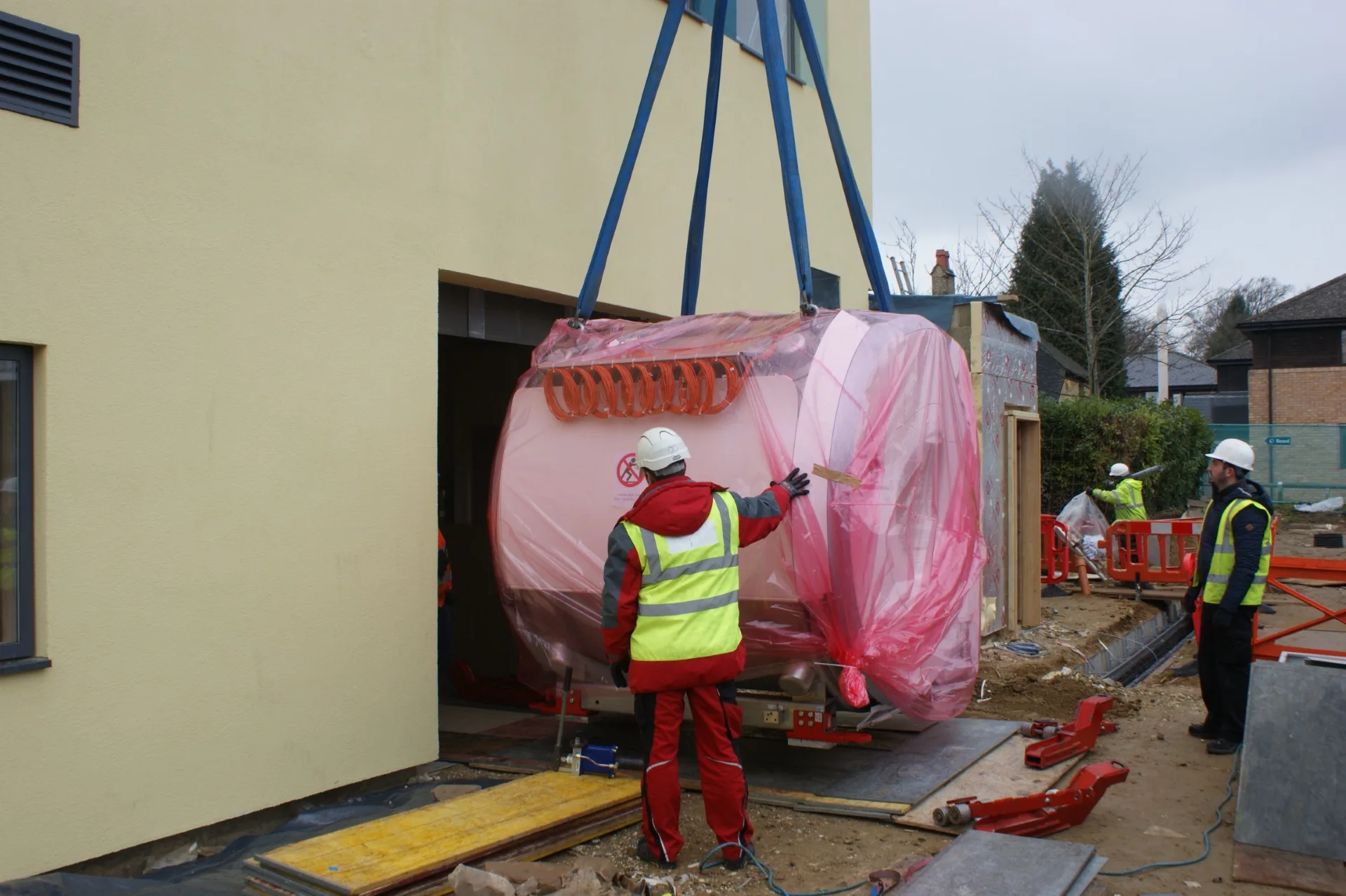
A single-storey building to house the Oxford Centre for Human Brain Activity and its MEG (Magnetoencephalography) scanner was constructed in 2006. In 2016 the facility, which is now part of the NIHR (National Institute for Health and Care Research) Oxford Health Biomedical Research Centre, underwent a £4.5 million upgrade, adding a second floor and an MRI. This building now houses a 3 Tesla MRI scanner, and two MEG laboratories – one based on traditional technology and one on newer and innovative Optically Pumped Magnetometers (OPM). The centre provides the following tools for research: Magnetic Resonance Imaging (MRI); Magnetoencephalography (MEG); Electroencephalography (EEG); and Transcranial magnetic stimulation (TMS). These methods are highly complementary; while MRI provides structural and blood-flow data, MEG and EEG allow researchers to track brain activity by the millisecond. TMS can be used to stimulate brain function in specific regions. This allows researchers to test the importance of a brain area for a behaviour.Image: The neuroimaging magnet being lowered into place by a crane (three photos, 2016)