Audio Guide
22. The Old Farmhouse
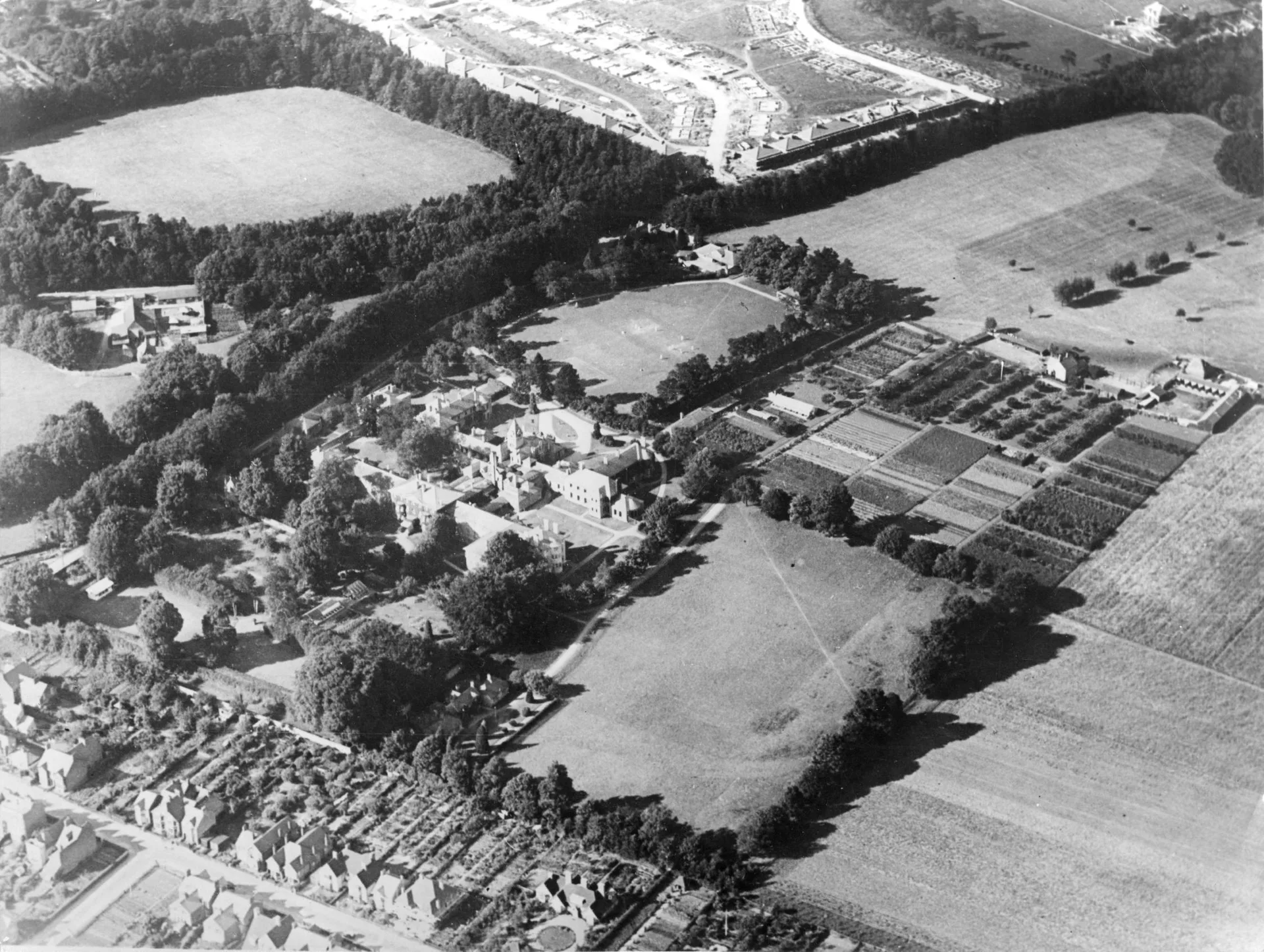
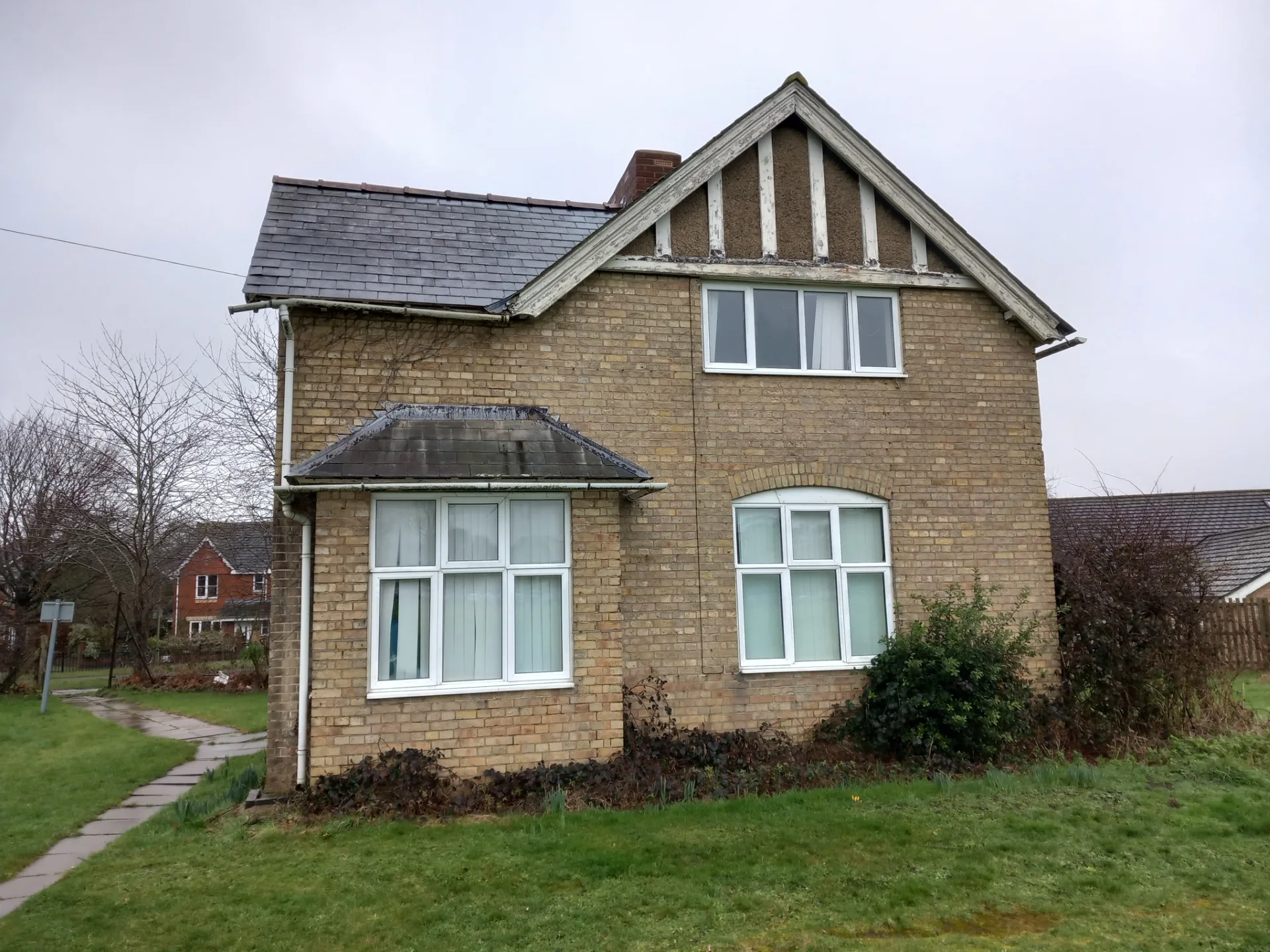
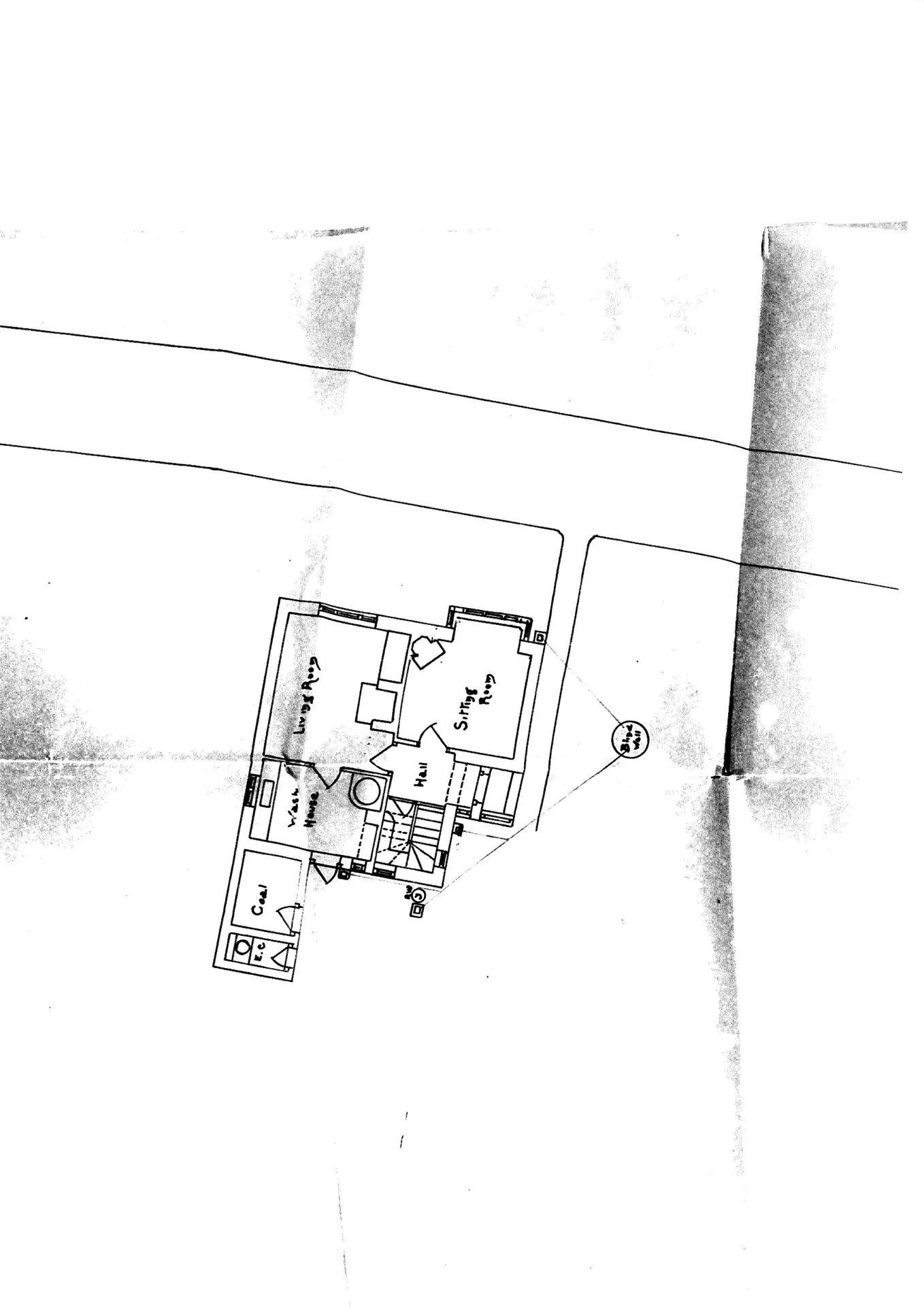
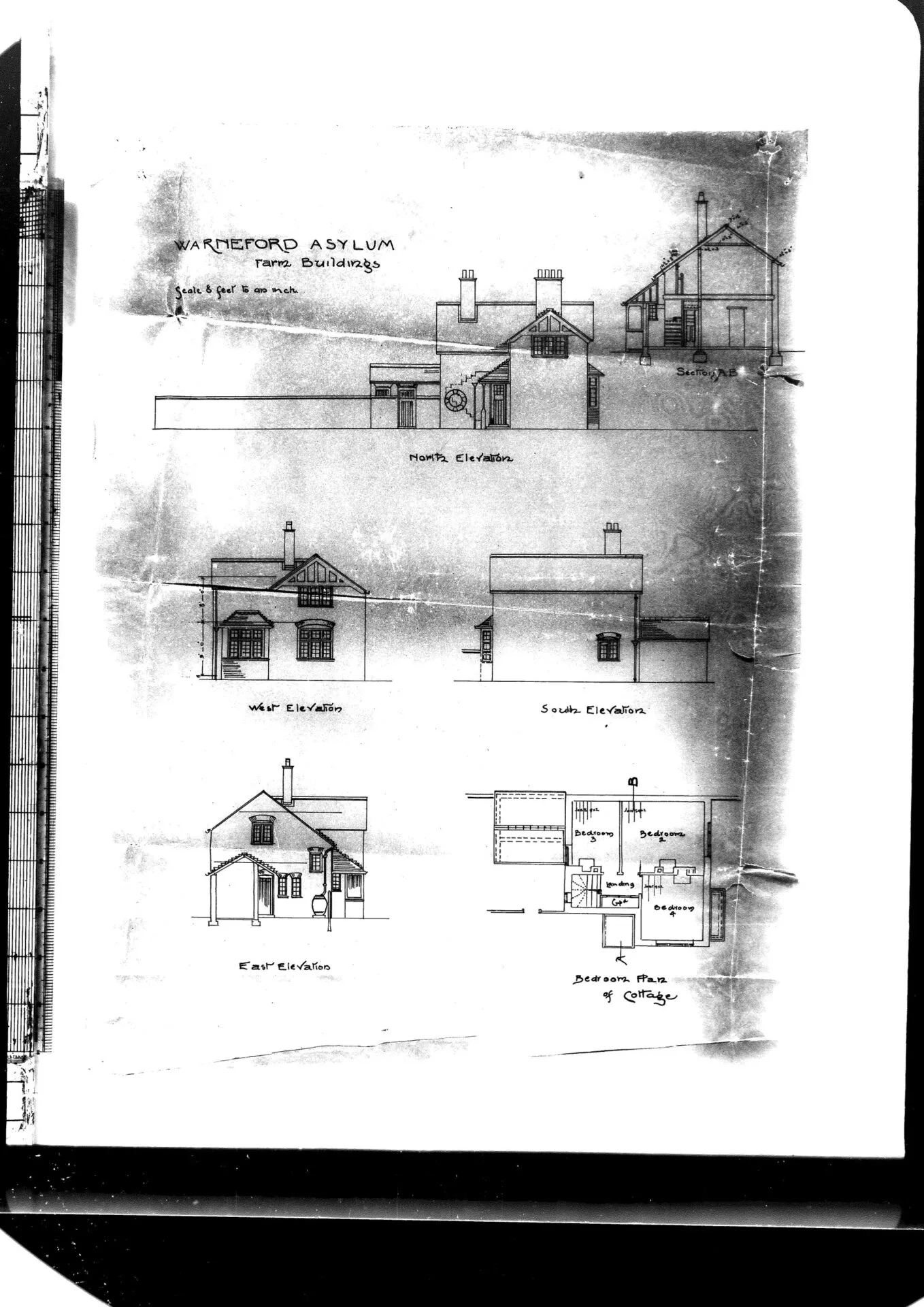
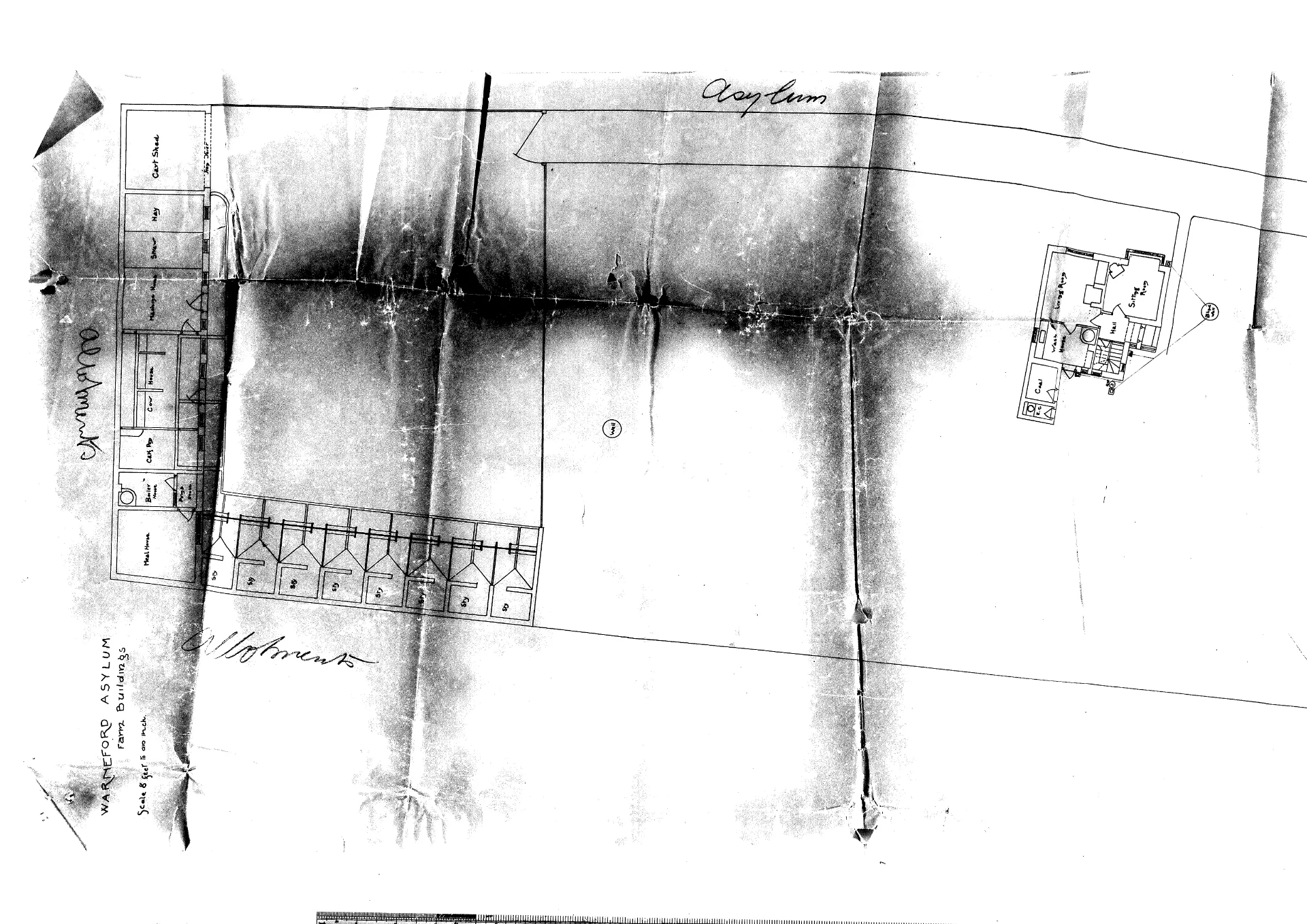
To your right you can see the former Farmhouse, constructed in 1895 by the Organ Brothers (who ran a building firm from the Cowley Road), was the home of the asylum’s farm manager. The two-storey house had a sitting room, living room, hall and washroom on the ground floor, and three bedrooms on the first floor. Outside was the WC and coalhouse. To the southeast of the farmhouse were the piggeries and cow sheds, and fields cultivated in sections, as can be seen in the aerial photograph from 1929 below.
Most nineteenth-century asylums had working farms. The farms provided therapeutic activity for (male) patients, and the production of food offset asylum running costs. References to the maintenance of a kitchen garden, and to the rearing of cattle and pigs can be found in the early annual reports. Records from the 1870s refer to income derived from the sale of “livestock, garden produce and sundries”. As more land was acquired by the Warneford Estate, the farm grew. The Highfield Park Estate, purchased in 1933, came with its own small farm which was managed by the Warneford Farm administration. The farm became a particularly important source of food during the Second World War. In 1954, 42 gallons of milk per day were being produced from 13 Ayrshire dairy cows, and during 1956, 13,000lb of vegetables were produced. By 1963, the farm boasted a herd of 25 cattle. Pigs, geese, ducks and bees were also kept.
However, in 1964 the decision was taken to close the farm on economic grounds. The livestock was sold and the farming staff, including Mr Buckler the farm manager, who resided in the Farmhouse, resigned. The building is now used by the hospital estates management team.
Image: 1929 aerial photograph of the farmstead (see 3.22e Insall); 1895 plan of the farmhouse (see 3.22a Insall).
Credit: Oxfordshire History Centre, City Index 2613
23. Isis Building
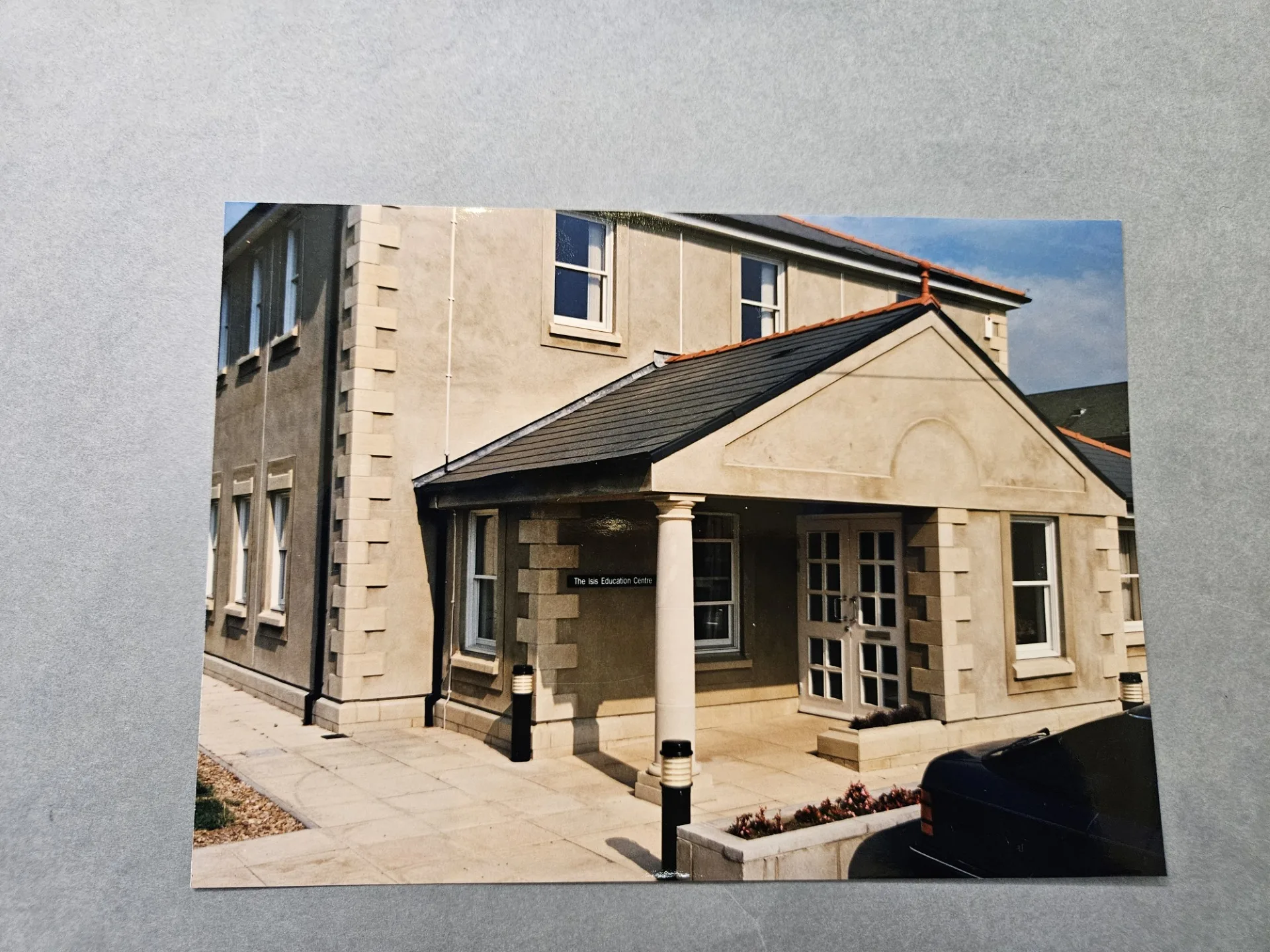
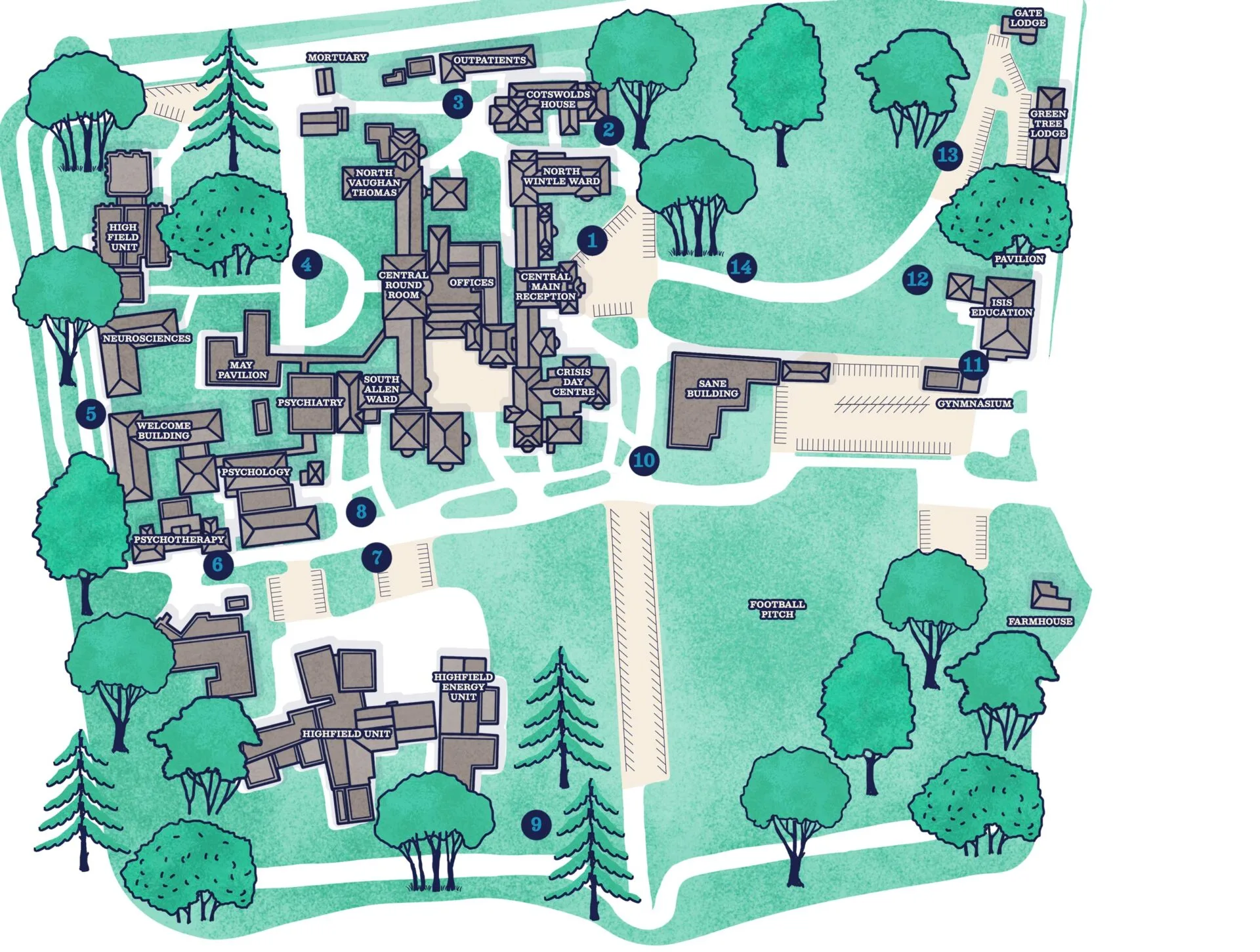
Immediately in front of you is the Isis building, constructed in the 1990s. The building was designed primarily for the mental health nurse training course, which was transferred from buildings at Littlemore Hospital, when it became clear that Littlemore would close in the near future. In 2023 Oxford Brookes University had purchased the former Millham Ford girls school in Marston, and all nurse (and occupational therapy and physiotherapy) training transferred there. The Isis building has since been the main base for the Oxford University doctoral course in clinical psychology.
Adjacent to the Isis building is the PEACE building, constructed in 1966. This used to be the gymnasium and is now where staff training in physical restraint and personal safety takes place.
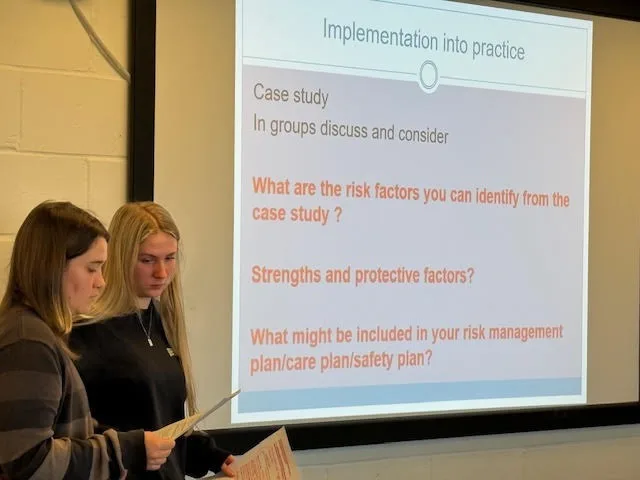
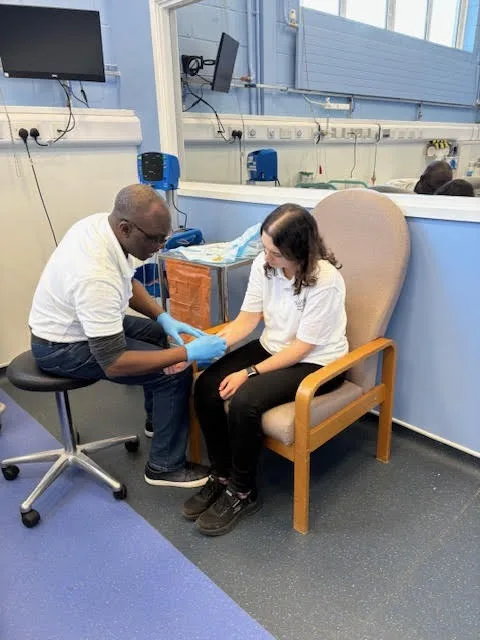
Images X 3: Mental health nurse training at Oxford Brookes University (photo: Oxford Brookes University)