How mental illness was treated at the Warneford between 1826 and 1840
Treatment for mental ill-health in the Warneford’s early days were shaped by ancient theories of humoral medicine, which held that health (and ill-health) were dictated by the balance of four vital fluids: blood, phlegm, yellow bile and black bile. Of these, black bile – or ‘melancholy’ was implicated in disorders of the mind.
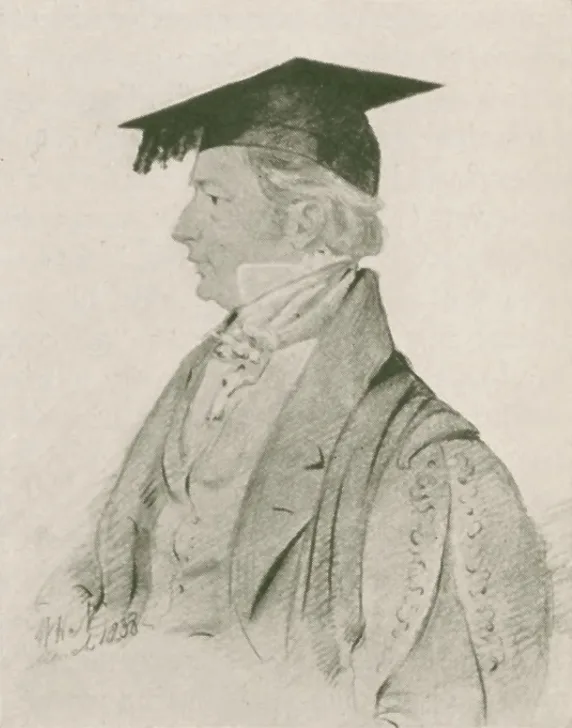
The Warneford’s visiting medic, Dr James Ogle (the Aldrichian Professor of Physic at the University of Oxford), accompanied by William Tuckwell (surgeon) and Frederick Wintle, (apothecary) aimed to redress patients’ humoral imbalances and alleviate their mental distress. They employed wide array of interventions, which through our eyes two hundred years later, appear extreme and often cruel.
As now, agitated patients were prescribed sedatives, though these were opium, valerian and cinchona rather than the benzodiazepines today. In a similar manner to today, in extreme cases, patients were physically restrained and removed from the main ward environment to specially designed rooms for “the violent”. Unlike today, hydrotherapy was prevalent; warm and cold baths, dripping showers and jugs of water thrown into patients’ faces were employed to either soothe agitated patients or stimulate those more melancholic and withdrawn.
In a similar manner to today, in extreme cases, patients were physically restrained and removed from the main ward environment to specially designed rooms for “the violent”.
To treat the underlying disorder, combinations of laxatives, purgatives, diuretics, expectorants, hidrotics were administered in complex electuaries, draughts, tinctures, poultices and pills. Their unhappy effects in patients were intended to ‘shock’ the body back into humoral balance. Antimony wine, for example, was commonly prescribed: the acidic wine would react with antimony cup to create antimony tartate which, when ingested, would induce purging in its recipient. Turpentine was used to clear the bowels. These concoctions were recorded by Mr Wintle, in his rushed handwriting, in a now-largely impenetrable Latin apothecarial system of symbols, grains, drachms and scruples in the patient records.
For severe and intractable cases, treatments became more extreme and the line between treatment and trauma blurred. Patients were subjected to electricity, blistering and pustulating agents and bloodletting through cupping, leeches or setons to draw out bad humours.
Alongside the medical interventions, the day-to-day environment of the Warneford played a therapeutic role. A “nourishing diet” was often prescribed. Patients engaged in occupational activities—needlework for women, gardening for men, and benefited from the social environment of the wards and restorative effects of the Warneford’s gardens.
Dr Joe B Butler, Dec 2025